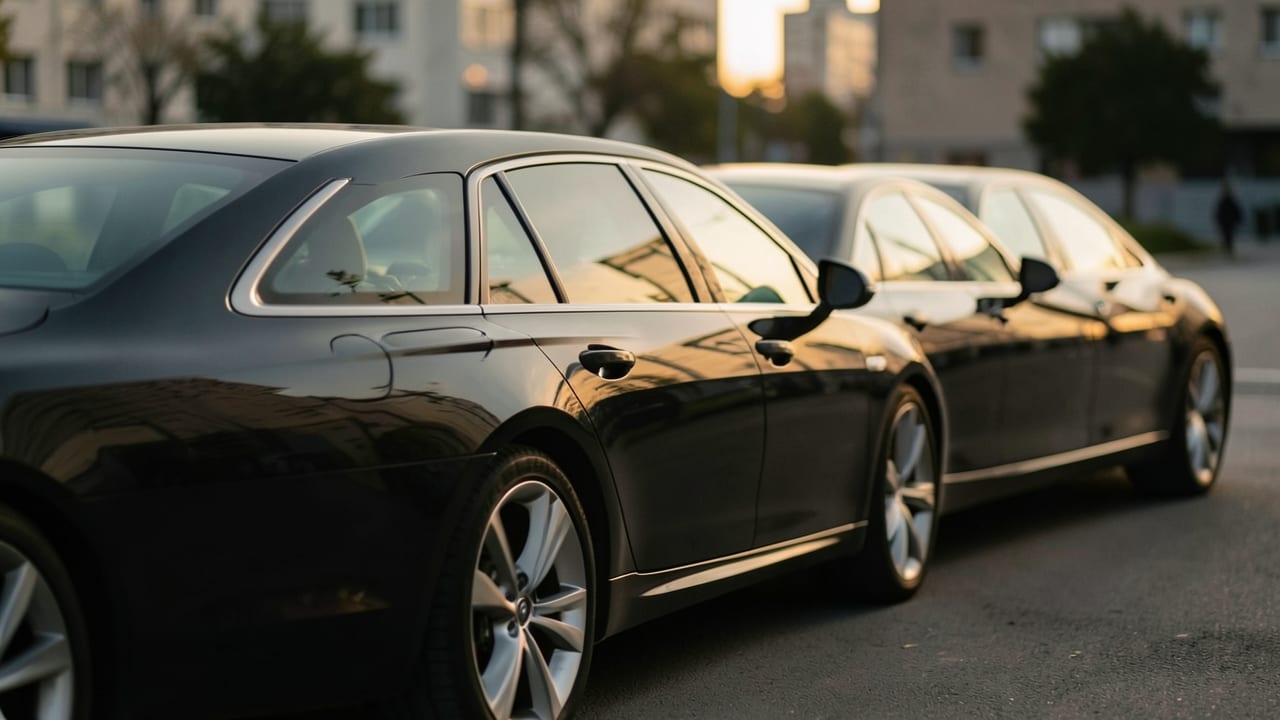
Ceramic Window Tint
Nano-ceramic window tint in Denver, CO — rejects heat and blocks 99% of UV without the signal interference or fading of cheaper films.
Ceramic window tint for vehicles in Denver, CO, uses nano-ceramic technology to block up to 99% of UV rays and reduce infrared heat buildup without the signal interference or color fading found in lower-grade films.
This process is tailored to the unique climate and sun exposure of the Denver area, where UV levels are high year-round. The installation follows a precise method to ensure clarity, durability, and a seamless finish that adapts to your vehicle’s shape and size.
We also handle Full-Vehicle Ceramic Coating and Paint Correction & Polishing for Denver vehicles.
Why ceramic tint stands out in Denver
Denver’s high-altitude sun delivers intense UV exposure, which can fade interiors and increase cabin heat. Ceramic window tint addresses this by rejecting a significant portion of infrared heat while maintaining visibility and clarity.
Unlike dyed or metalized films, ceramic tint does not interfere with electronic signals, such as GPS or phone reception, making it ideal for modern vehicles packed with tech.
The durability of ceramic tint also means it resists common issues like bubbling, peeling, or color shift over time. This is particularly useful in Denver’s variable weather, where temperature swings and hail can stress window films.
Proper installation techniques, including thorough cleaning and precise cutting, help the film adhere evenly and last longer under these conditions.
Signs your window tint needs attention
Over time, window tint can develop issues that affect both appearance and performance. Bubbles trapped under the film, visible when sunlight hits the window at an angle, are a sign of improper installation or trapped air.
Tint that shifts toward a purple or brownish tone may indicate UV breakdown, common in lower-quality dyed films but not in ceramic or metalized options.
Peeling at the edges or along the top of the window allows moisture and dirt to seep underneath, worsening the problem. Hazy or cloudy tint, especially noticeable at night against headlights, can reduce visibility and safety. Addressing these signs early helps maintain the tint’s effectiveness and your vehicle’s resale value.
Common Tint Issues to Watch For
- Bubbles or trapped air visible under sunlight
- Tint shifting to purple or brownish tones
- Peeling at edges or top of the window
- Hazy or cloudy appearance, especially at night
What affects installation time and cost
The time and cost of ceramic window tint installation depend on factors like the vehicle’s make, model, and window complexity. Larger vehicles or those with unique window shapes may require additional time for precise cutting and application.
The number of windows being tinted also plays a role, as each window is cleaned, measured, and treated individually.
Denver’s climate can influence the curing process. Colder temperatures may extend the time needed for the film to fully bond to the glass, requiring windows to remain up for longer periods. Additionally, the type of ceramic film chosen—such as single-layer vs. multi-layer—can impact both cost and durability expectations.
| Factor | Impact on Installation |
|---|---|
| Vehicle size and window shape | Larger or complex windows may require more time for cutting and application |
| Number of windows tinted | Each window is treated individually, increasing time with more windows |
| Denver’s climate and temperature | Colder weather may extend the curing period |
| Film type (single-layer vs. multi-layer) | Multi-layer films may increase cost and improve durability |
How ceramic window tint installation works
Installing ceramic window tint involves multiple steps to ensure a flawless, durable finish.
- 1Glass Cleaning and Prep
Each window is thoroughly cleaned inside and out with a dedicated glass cleaner. Razor scraping removes old adhesive residue or sticker film to prevent visible imperfections under the new tint.
- 2Pattern Cutting
Film is cut to match the exact shape of each window, either using a pre-programmed computer pattern or hand-cutting against the glass itself with a small margin for trimming after application.
- 3Wet Application and Squeegeeing
A slip solution is sprayed on the glass, allowing the film to be repositioned before it sets. The film is applied and squeegeed from the center outward to remove air bubbles and moisture, ensuring a smooth, bubble-free finish.
- 4Edge Trimming and Curing
Edges are trimmed flush to the window’s rubber seal to avoid visible gaps. The film requires a cure period—typically several days, longer in cold weather—before windows should be rolled down to prevent peeling.
Frequently asked questions
Will ceramic window tint interfere with my car’s electronics, like GPS or phone signals?
Ceramic window tint is designed to block heat and UV rays without interfering with electronic signals. Unlike metalized films, it does not disrupt GPS, phone reception, or other wireless communications in your vehicle.
How long does the curing process take, and why is it important?
The curing process typically takes several days, and longer in colder weather like Denver’s winters. Keeping windows up during this time allows the film to fully bond to the glass, reducing the risk of peeling or bubbles forming later.
Can I clean my windows normally after ceramic tint is applied?
It’s best to use an ammonia-free glass cleaner and a soft microfiber cloth to avoid breaking down the film’s adhesive over time. Avoid cleaning the windows until the full cure period has passed, as this can compromise the bond.
What should I do if I notice bubbles or peeling after the tint is installed?
Bubbles or peeling often indicate trapped air or moisture during installation. If caught early, small bubbles can sometimes be addressed, but peeling may require professional reapplication to prevent further damage.
Where Denver sits, and what the Census lists nearby
Denver sits in Colorado, and the closest places listed in the U.S. Census Gazetteer are Glendale (5 miles southwest), Four Square Mile (5.6 miles south), Derby (5.8 miles north), North Washington (6.1 miles northwest).
Within 25 miles of Denver the same source lists 82 distinct incorporated places and census-designated places.
Those figures matter for ceramic window tint because they are straight-line distances between Census coordinate points: road mileage between Denver and Glendale runs longer than the 5 miles shown, which is why quotes for the same job differ between towns that look close together on a map.
Source: U.S. Census Bureau Gazetteer.
See Arvada, CO for more, or discover our full Denver-area coverage by service type for our complete lineup.
Ready to get started?
Talk to a local ceramic coating pro in Denver — get a written quote.
Other Ceramic Coating Services in Denver
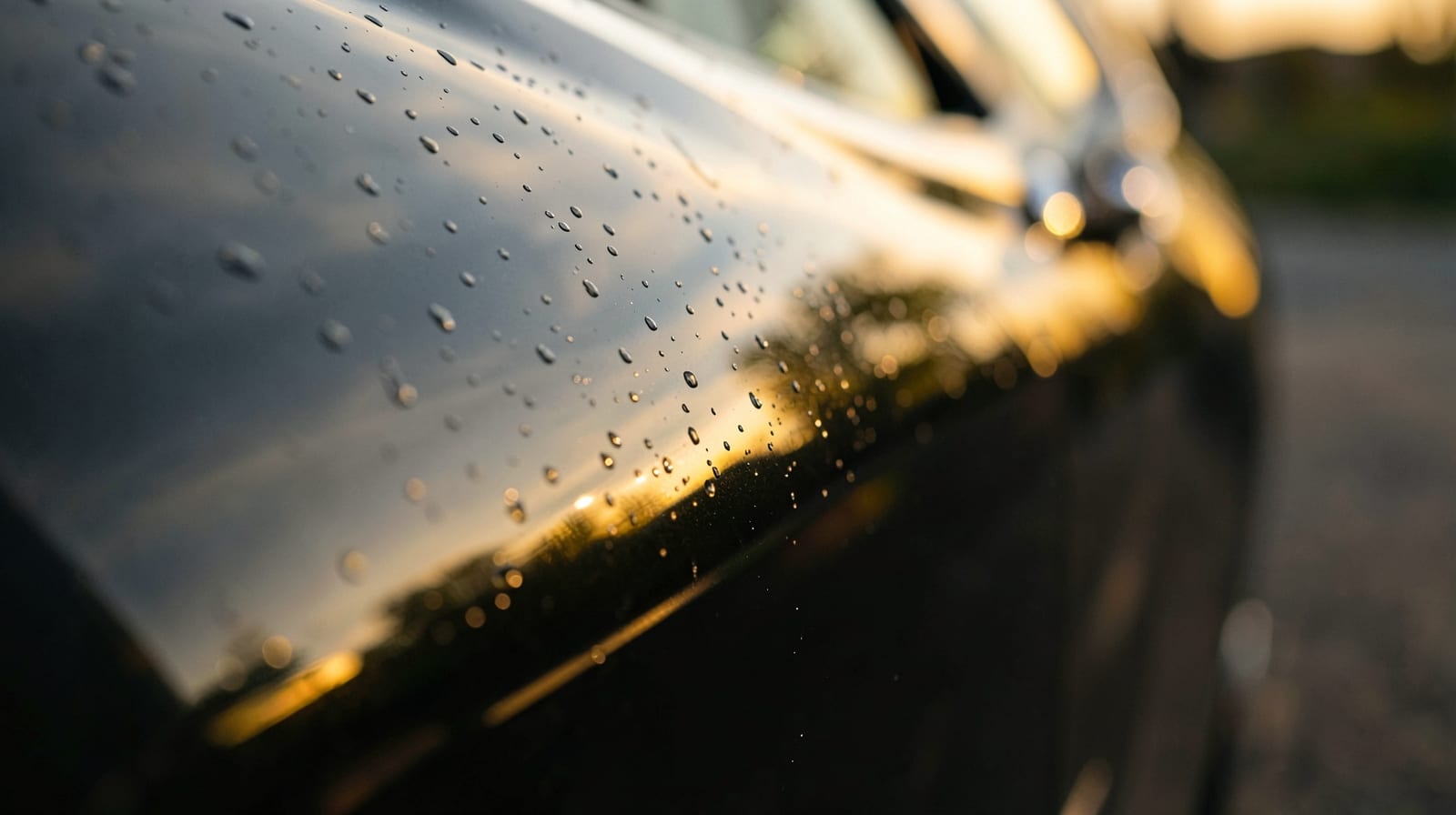
Full-Vehicle Ceramic Coating in Denver, CO
Professional nano-ceramic coating for vehicles in Denver, CO — a hard, semi-permanent SiO2 layer for deep gloss, strong hydrophobic protection, and easier washing.
Learn More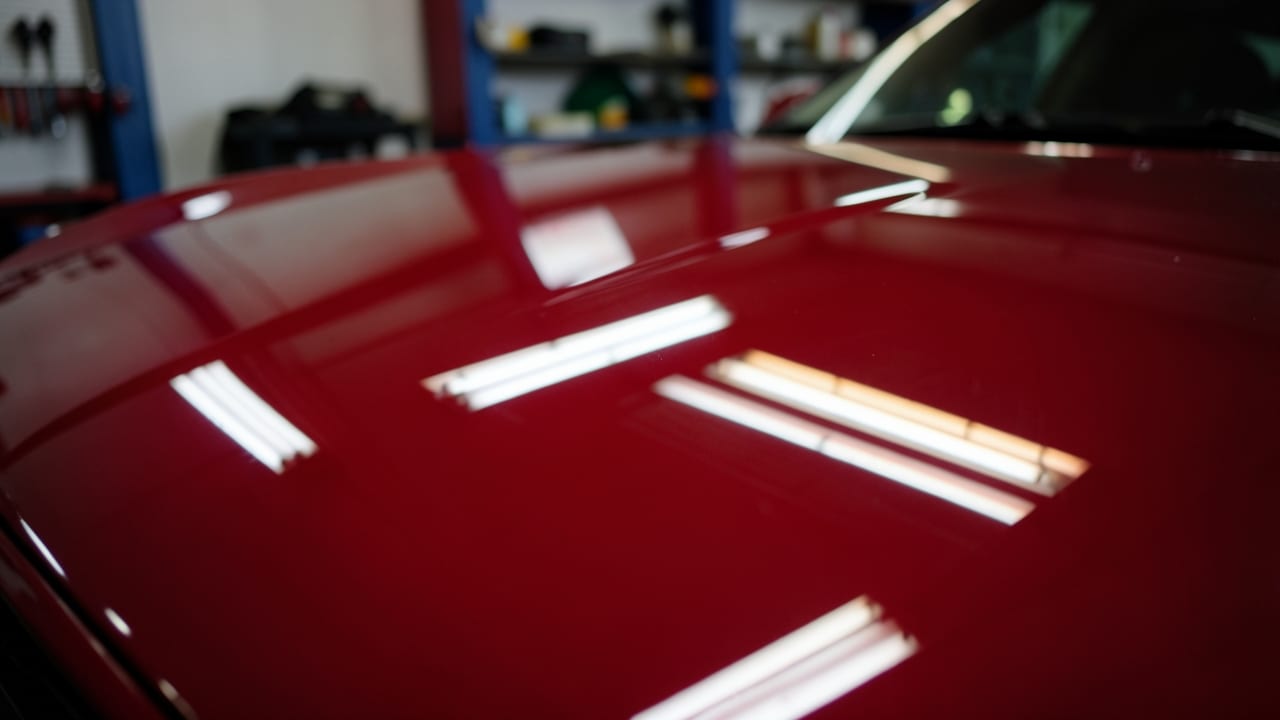
Paint Correction & Polishing in Denver, CO
Machine paint correction and polishing in Denver, CO — removes swirl marks, oxidation, and water spots, and is the mandatory first step before any ceramic coating.
Learn More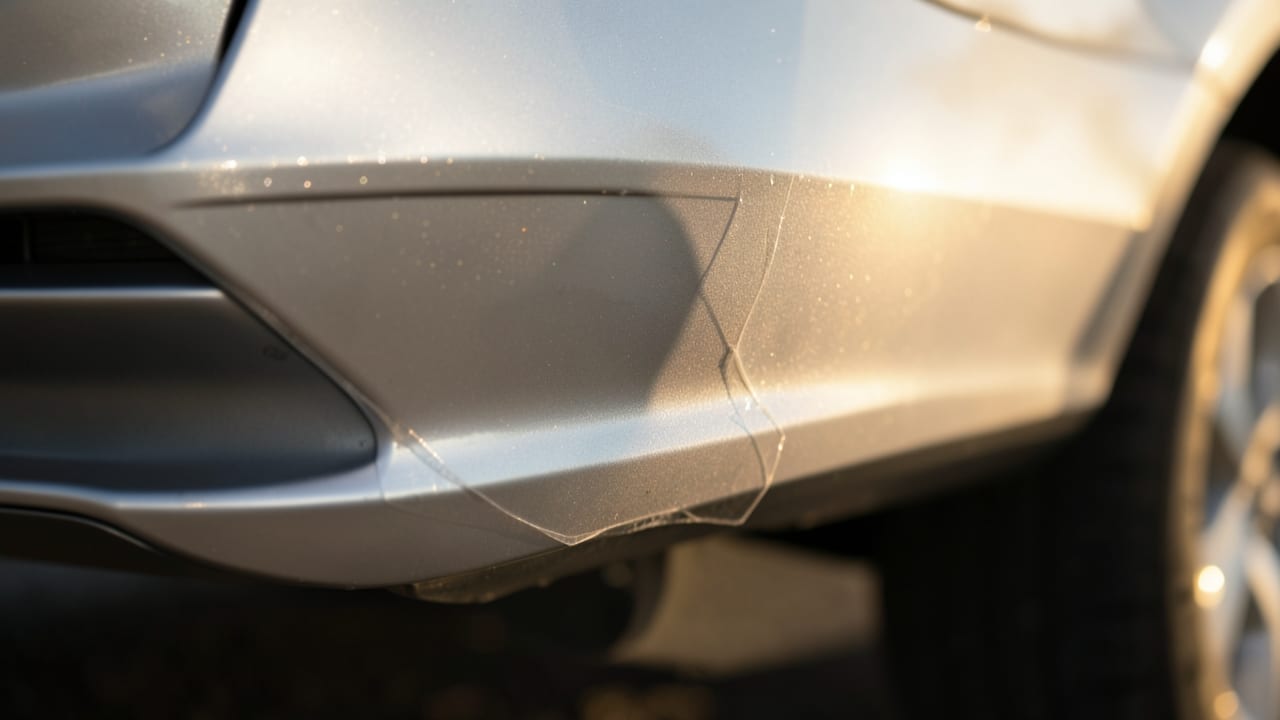
Paint Protection Film (PPF) Installation in Denver, CO
Self-healing clear PPF installation in Denver, CO for high-impact panels or a full-body wrap — real physical protection against rock chips and road debris.
Learn More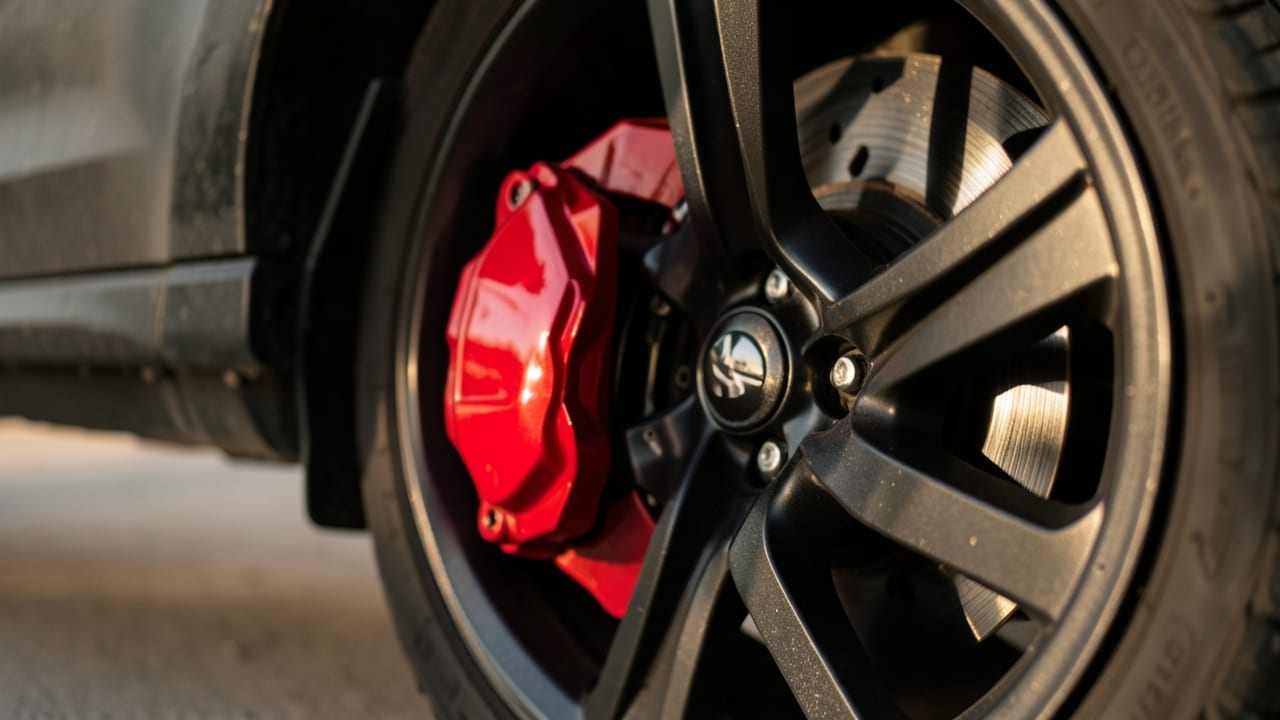
Wheel & Brake Caliper Ceramic Coating in Denver, CO
Dedicated ceramic coating for wheels and brake calipers in Denver, CO — stops brake dust and corrosive grime from bonding to the finish.
Learn More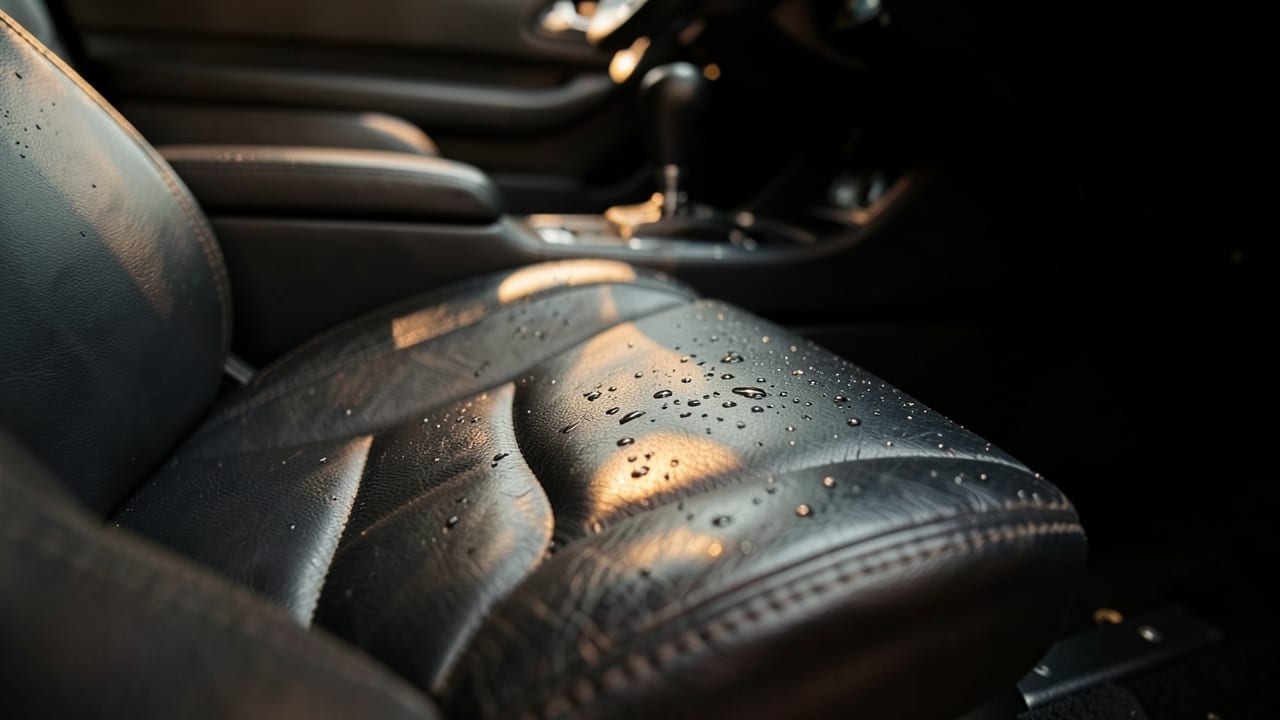
Interior Ceramic Protection in Denver, CO
Interior fabric, leather, and trim ceramic protection in Denver, CO — guards against spills, UV fading, and daily wear.
Learn More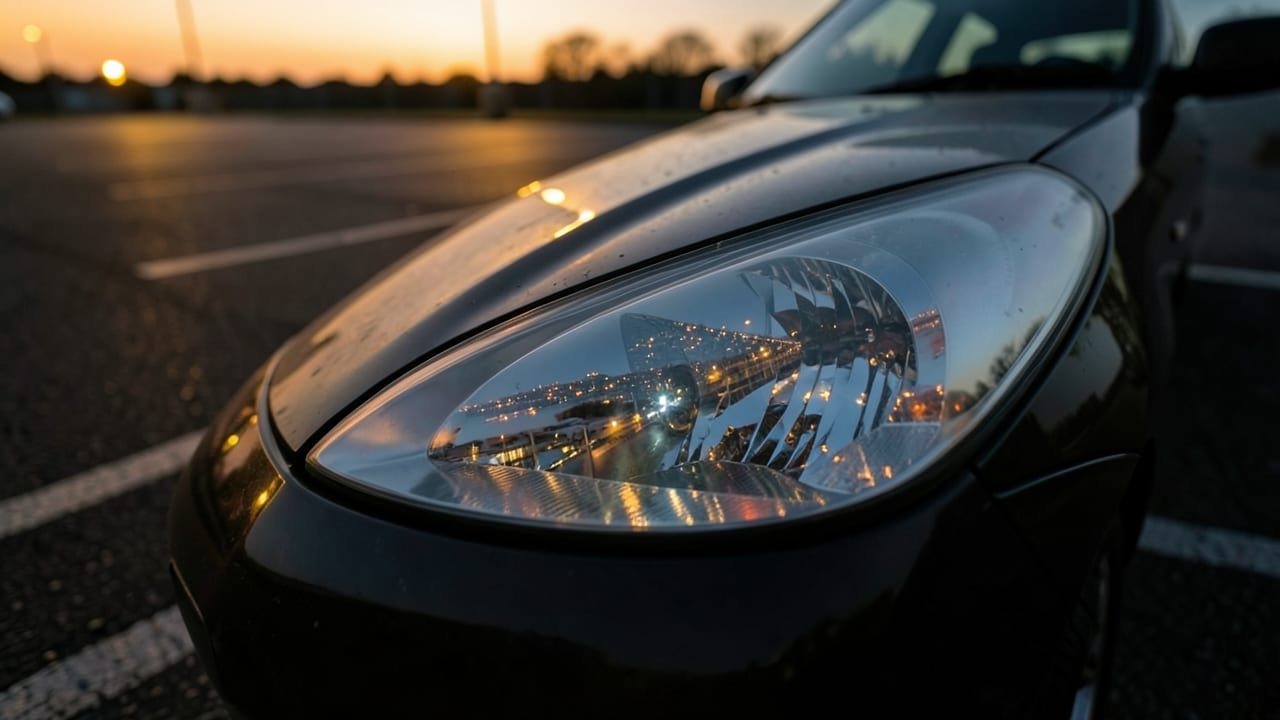
Headlight Restoration & Coating in Denver, CO
Headlight restoration and UV-protective coating in Denver, CO — restores clarity and nighttime visibility without replacing the assembly.
Learn MoreCommon Questions About Ceramic Coating in Denver
Everything you need to know about ceramic coating services in Denver
How much does Ceramic Window Tint typically cost in Denver, CO?
Can ceramic coating prevent rock chips on mountain roads around Denver, CO?
Will a ceramic coating stop rock chips or scratches?
What's the actual difference between wax, paint sealant, and ceramic coating?
Can ceramic coating be applied at home instead of by a detailing shop?
How long does a ceramic coating actually last in real-world use?
Need Ceramic Coating in Denver?
Get a written quote from our Denver crew.
⏰ We answer your call • Serving all of Denver and surrounding areas