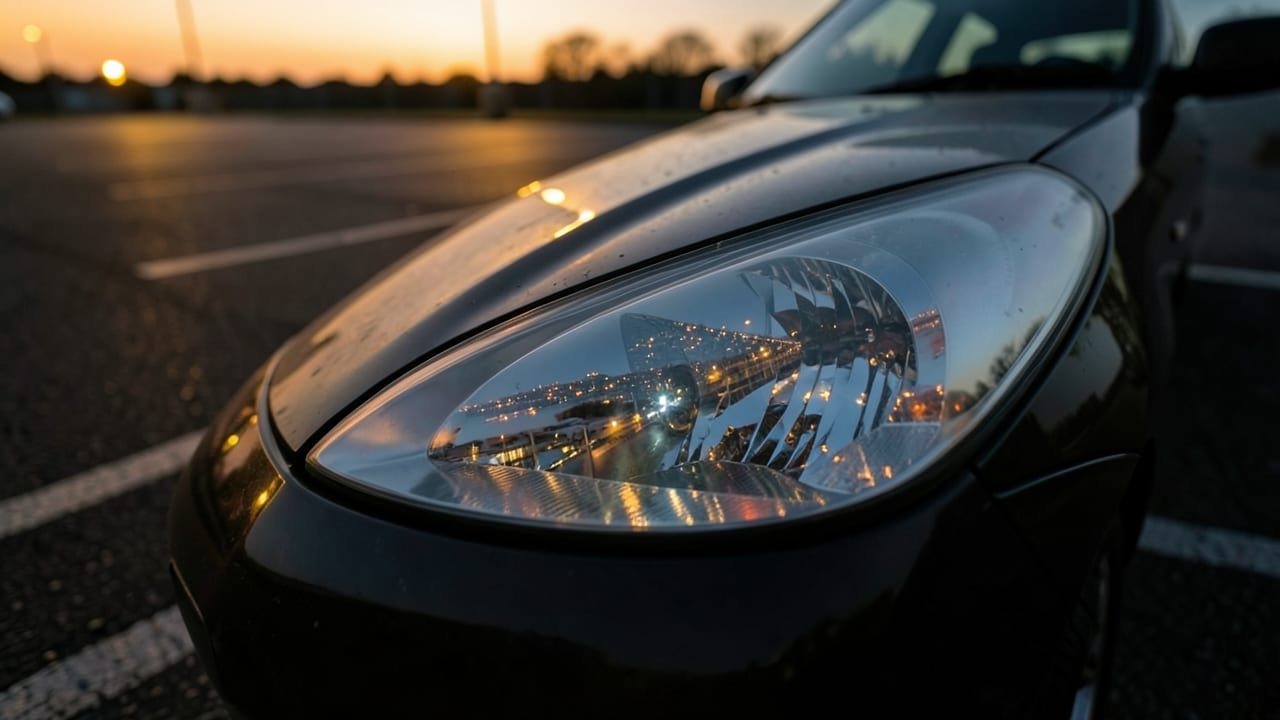
Headlight Restoration & Coating
Headlight restoration and UV-protective coating in Denver, CO — restores clarity and nighttime visibility without replacing the assembly.
In Denver, CO, oxidized headlights reduce nighttime visibility and safety. Our headlight restoration and ceramic coating service removes the UV-damaged layer, restores optical clarity, and applies a durable ceramic coating to prevent future haze—all at a fraction of replacement costs.
Why Denver drivers need headlight restoration
Denver’s high elevation and intense sunlight accelerate UV damage on polycarbonate headlight lenses. Once the factory UV coating breaks down, oxidation and yellowing begin, scattering light and reducing your low-beam output.
We also handle Tree Sap Removal and Iron Particle Decontamination for Denver vehicles.
Unlike temporary DIY solutions, our restoration process permanently removes the damaged layer and seals the lens with a ceramic coating that bonds chemically, resisting UV degradation and maintaining clarity far longer.
| Sign Your Headlights Need Restoration | Why It Matters |
|---|---|
| Visible yellowing or cloudiness | Reduces light output by up to 80% at night |
| Frequent fogging inside the lens | Indicates moisture intrusion, worsening haze |
| Dull, faded appearance even after washing | Factory UV coating has failed, oxidation has begun |
| Reduced nighttime visibility | Scattered light dims beams, increasing accident risk |
The restoration difference: coating vs. DIY
Wax-based or spray-on sealants may temporarily improve appearance, but they lack the chemical bonding of a ceramic coating. These DIY products often haze or degrade within months, leaving your lenses vulnerable to re-oxidation.
Our ceramic coating forms a permanent UV-protective barrier on the restored polycarbonate, ensuring long-lasting clarity and protection against Denver’s harsh sunlight and altitude-related UV exposure.
How headlight restoration & coating works
Our process removes oxidation and protects lenses with a durable ceramic coating.
- 1Surface Prep & Masking
We thoroughly clean the lenses and mask surrounding areas to protect your vehicle’s paint during the restoration process.
- 2Wet-Sanding
Using progressive grits (from coarse to fine), we wet-sand the lens to remove the oxidized, UV-damaged outer layer of polycarbonate.
- 3Machine Polishing
The lens is machine-polished to restore full optical clarity, eliminating micro-scratches and haze left from sanding.
- 4Ceramic Coating Application
A dedicated UV-protective ceramic coating is applied, bonding chemically to the lens to prevent future oxidation and maintain clarity.
Frequently asked questions
How long does headlight restoration take?
The entire process typically takes 2-4 hours per vehicle, depending on the condition of your headlights. We service both lenses simultaneously for efficiency.
Will this fix foggy headlights permanently?
While no solution is truly permanent, our ceramic coating provides long-term protection (3-5 years) against re-oxidation, far outlasting DIY products or wax-based sealants.
Is this cheaper than replacing my headlights?
Yes. Replacing headlight assemblies on newer vehicles can cost hundreds per side, while our restoration and coating service is priced per pair and restores your existing lenses to like-new condition.
Can you restore heavily damaged or cracked lenses?
Our process works best on lenses with surface oxidation and yellowing. If your headlights have deep cracks, scratches, or internal moisture damage, replacement may be necessary.
Where Denver sits, and what the Census lists nearby
Denver sits in Colorado, and the closest places listed in the U.S. Census Gazetteer are Glendale (5 miles southwest), Four Square Mile (5.6 miles south), Derby (5.8 miles north), North Washington (6.1 miles northwest). Within 25 miles of Denver the same source lists 82 distinct incorporated places and census-designated places.
Those figures matter for headlight restoration & coating because they are straight-line distances between Census coordinate points: road mileage between Denver and Glendale runs longer than the 5 miles shown, which is why quotes for the same job differ between towns that look close together on a map.
Source: U.S. Census Bureau Gazetteer.
See Commerce City, CO for more, or browse everything Denver vehicle owners can book with us in one place for our complete lineup.
Ready to get started?
Talk to a local ceramic coating pro in Denver — get a written quote.
Other Ceramic Coating Services in Denver
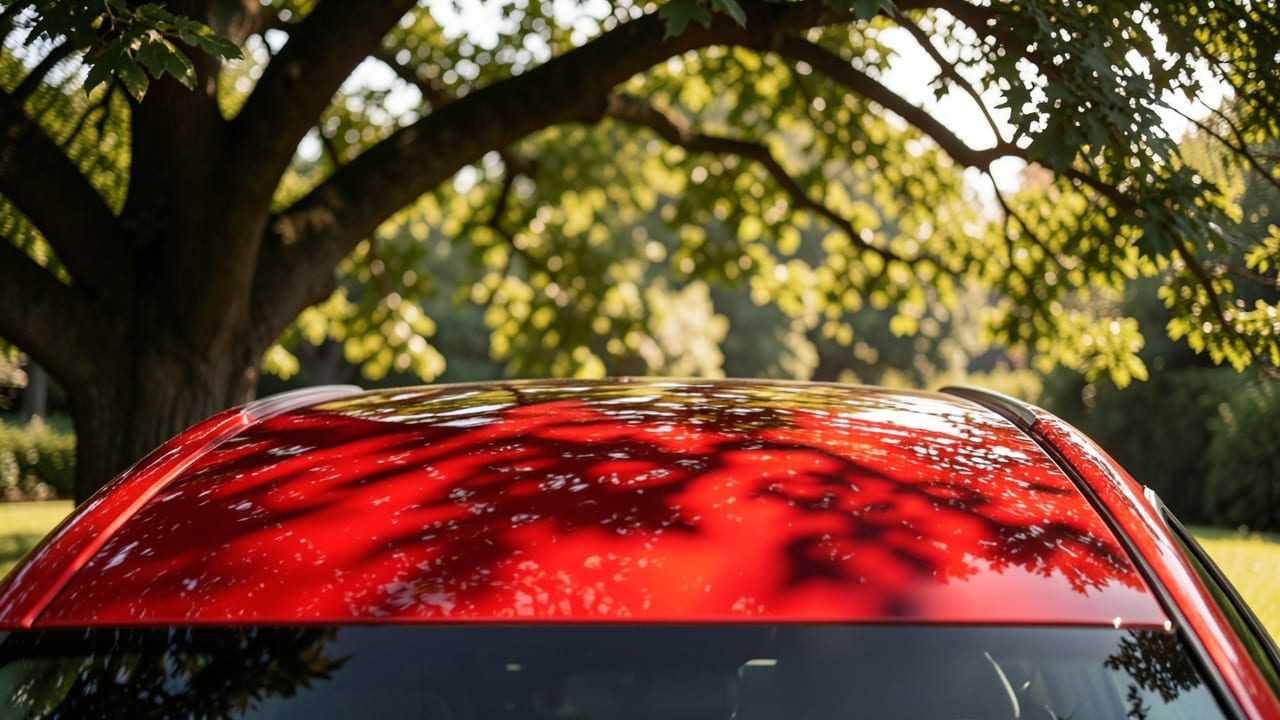
Tree Sap Removal in Denver, CO
Professional removal of tree sap from vehicle surfaces using safe, paint-friendly methods.
Learn More
Iron Particle Decontamination in Denver, CO
Removal of embedded iron particles from automotive paint using chemical solutions.
Learn More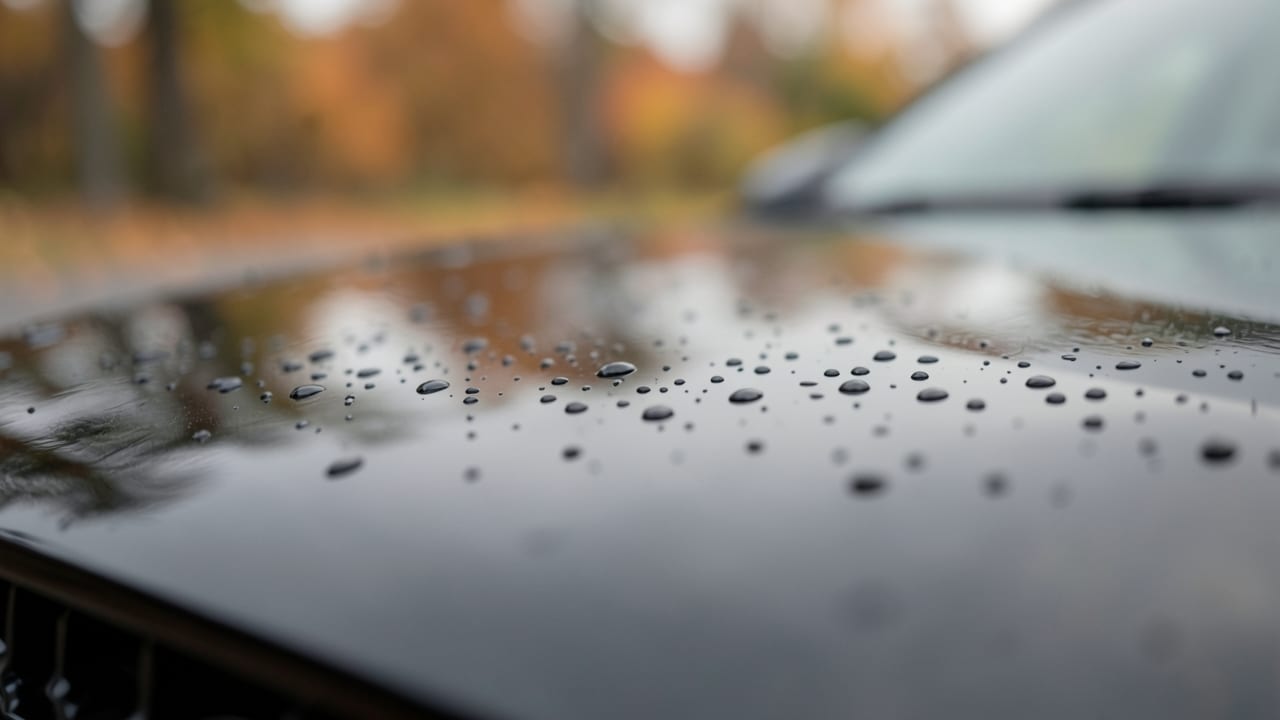
Pre-Winter Paint Sealant Application in Denver, CO
Professional application of ceramic-based sealant to protect vehicle paint before winter.
Learn More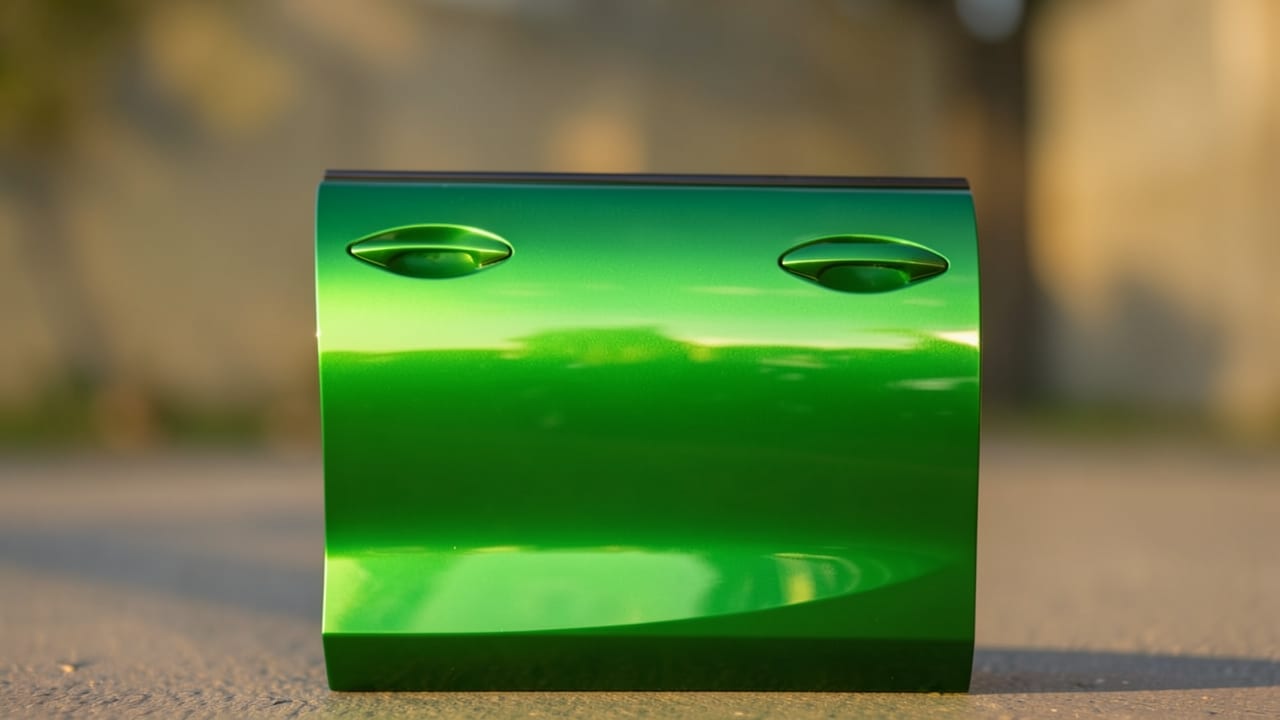
Spring Paint Rejuvenation in Denver, CO
Ceramic coating and paint correction to restore and protect vehicle surfaces.
Learn More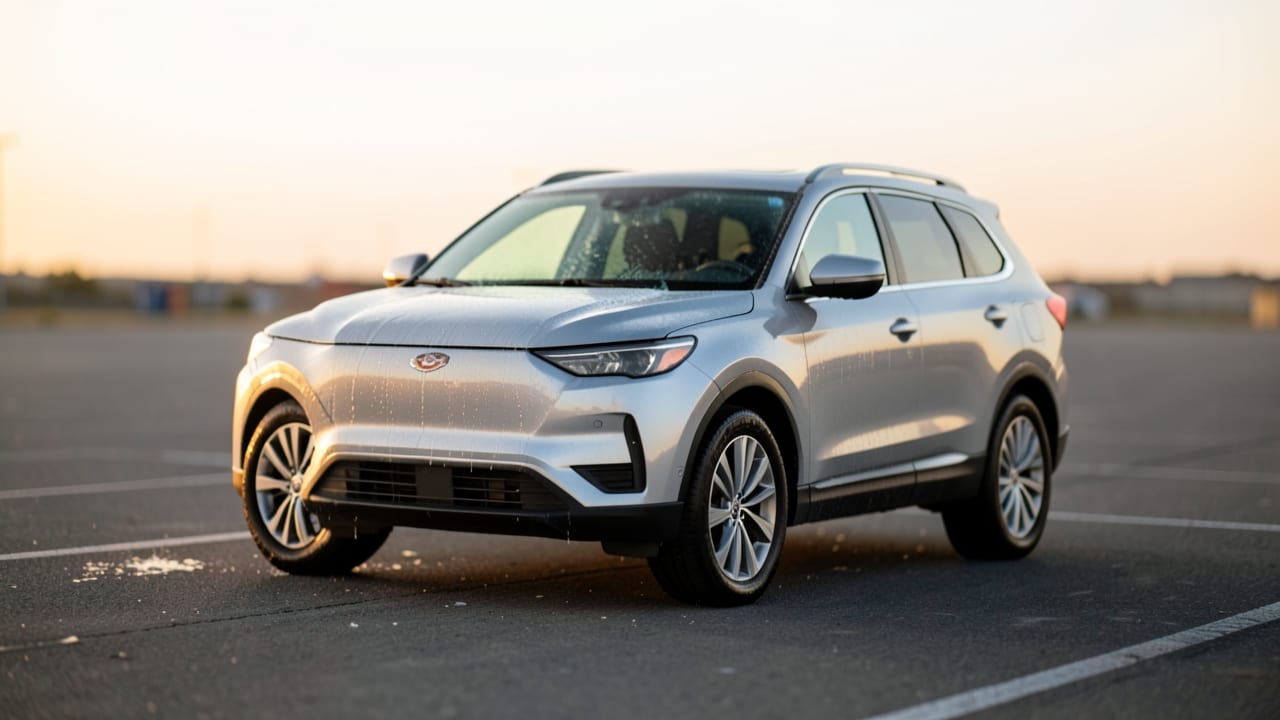
Annual Ceramic Maintenance Wash in Denver, CO
Professional cleaning and reapplication of ceramic coatings to preserve paint protection.
Learn More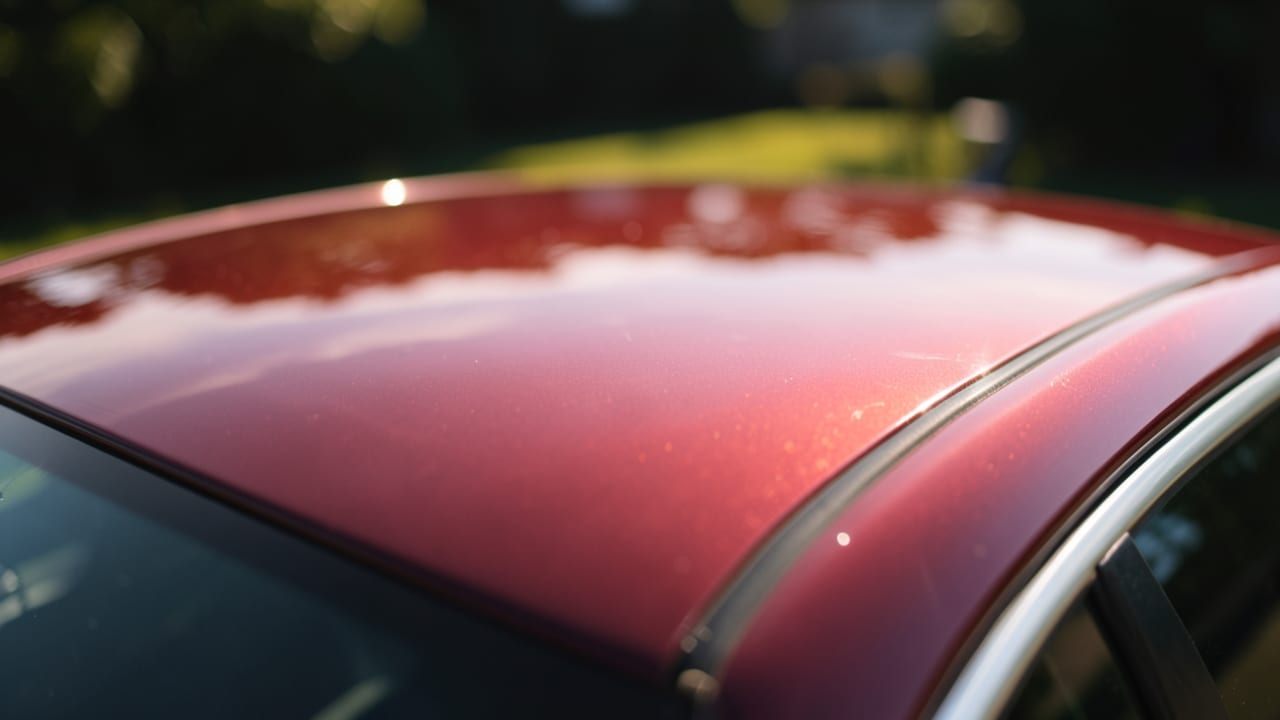
Mid-Summer UV Protection Top-Up in Denver, CO
Ceramic coating reapplication to restore UV protection and gloss on vehicle paint.
Learn MoreCommon Questions About Ceramic Coating in Denver
Everything you need to know about ceramic coating services in Denver
How much does Headlight Restoration & Coating typically cost in Denver, CO?
Can ceramic coating prevent rock chips on mountain roads around Denver, CO?
How long does a ceramic coating actually last in real-world use?
What is the difference between graphene and SiO2 ceramic coatings?
Does a ceramic coating need to be topped up over time?
Can a ceramic coating be applied over existing swirl marks or light scratches?
Need Ceramic Coating in Denver?
Get a written quote from our Denver crew.
⏰ We answer your call • Serving all of Denver and surrounding areas