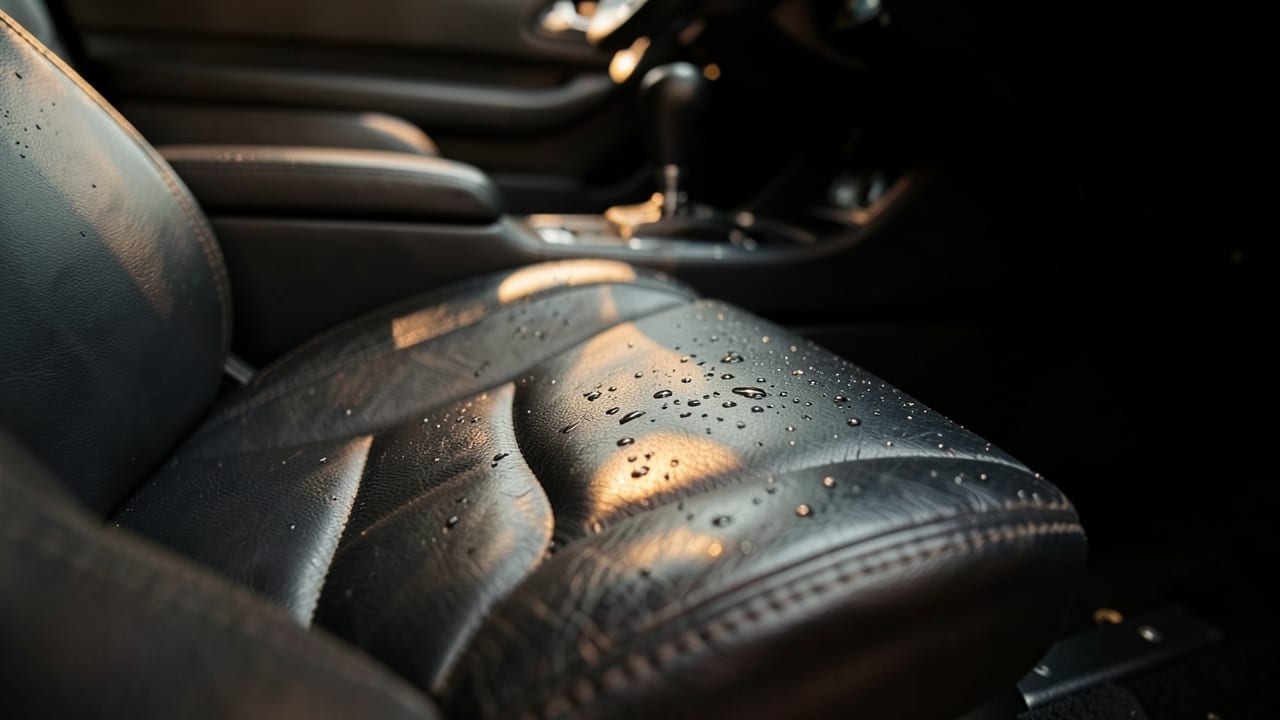
Interior Ceramic Protection
Interior fabric, leather, and trim ceramic protection in Denver, CO — guards against spills, UV fading, and daily wear.
Denver’s harsh sun and daily wear take a toll on vehicle interiors. Our Interior Ceramic Protection service shields fabrics, leather, vinyl, and plastics from UV fading, stains, and body oils, keeping your cabin looking newer, longer—without locking in dirt or odors.
Why Denver interiors need ceramic protection
From coffee spills on the morning commute to UV exposure at high altitude, Denver’s conditions accelerate interior wear. Fabric and carpet absorb liquids, leather cracks under dry air and sun, and plastics chalk over time.
We also handle Leather Conditioning and Plastic Trim Restoration for Denver vehicles.
Our coatings add an invisible barrier that repels stains, resists fading, and preserves the factory finish.
Unlike exterior ceramic coatings, interior treatments are tailored to each surface. Hydrophobic agents protect textiles, while specialized formulas guard leather, vinyl, and plastics against dye transfer, UV damage, and the dulling effects of body oils and daily friction.
| Surface Type | Protection Provided |
|---|---|
| Fabric & Carpet | Hydrophobic treatment beads liquids for easy cleanup, preventing stains |
| Leather & Vinyl | Resists UV cracking, dye transfer, and body-oil dulling |
| Hard Plastics & Trim | Prevents UV fading and chalky discoloration, resists fingerprints |
What to expect before, during & after
Every service starts with a deep clean to ensure the coating bonds to a pristine surface. We vacuum, steam or hot-water extract fabrics, and use dedicated leather cleaners to remove embedded dirt, oils, and odors. This step is critical—coating over grime would trap it permanently.
Signs Your Interior Needs Protection
- Fabric or carpet stains that resist cleaning
- Leather or vinyl that looks dry, cracked, or faded
- Plastic trim with a chalky, discolored appearance
- Frequent spills or messes that soak in and leave marks
How interior ceramic protection works
A multi-step process ensures lasting results.
- 1Deep Clean
We vacuum, steam, or hot-water extract fabrics and use leather-specific cleaners to remove all dirt, oils, and odors. This ensures the coating bonds to a clean surface.
- 2Surface Preparation
Hard plastics, trim, and touchscreens are cleaned and degreased to remove contaminants that could interfere with adhesion.
- 3Apply Coatings
We apply hydrophobic treatments to fabrics and carpets, and specialized coatings to leather, vinyl, and plastics. Each formula is matched to the material’s needs.
- 4Cure Time
The coatings need 24-48 hours to fully cure. During this time, avoid heavy use or cleaning to allow the protection to set properly.
Frequently asked questions
How long does the protection last?
With proper care, the ceramic protection can last 2-4 years on fabrics and 3-5 years on leather, vinyl, and plastics. High-altitude sun exposure in Denver may slightly reduce longevity, but regular maintenance helps extend it.
Will my leather still look and feel natural?
Yes. The coating is designed to enhance protection without altering the texture or appearance of your leather. It will still feel soft and look natural, just more resistant to wear and staining.
Does this replace regular cleaning?
No. While the coating makes spills bead up and prevents stains from setting, you’ll still need to clean your interior regularly. However, it makes routine cleaning easier and less frequent.
How much does it cost?
Pricing varies based on your vehicle’s interior size and material mix (e.g., full leather vs. cloth vs. a combination). Call us for a quote tailored to your needs.
Where Denver sits, and what the Census lists nearby
Denver sits in Colorado, and the closest places listed in the U.S. Census Gazetteer are Glendale (5 miles southwest), Four Square Mile (5.6 miles south), Derby (5.8 miles north), North Washington (6.1 miles northwest).
Within 25 miles of Denver the same source lists 82 distinct incorporated places and census-designated places.
Those figures matter for interior ceramic protection because they are straight-line distances between Census coordinate points: road mileage between Denver and Glendale runs longer than the 5 miles shown, which is why quotes for the same job differ between towns that look close together on a map.
Source: U.S. Census Bureau Gazetteer.
See Greenwood Village, CO for more, or browse what we cover for Denver vehicles before booking for our complete lineup.
Ready to get started?
Talk to a local ceramic coating pro in Denver — get a written quote.
Other Ceramic Coating Services in Denver
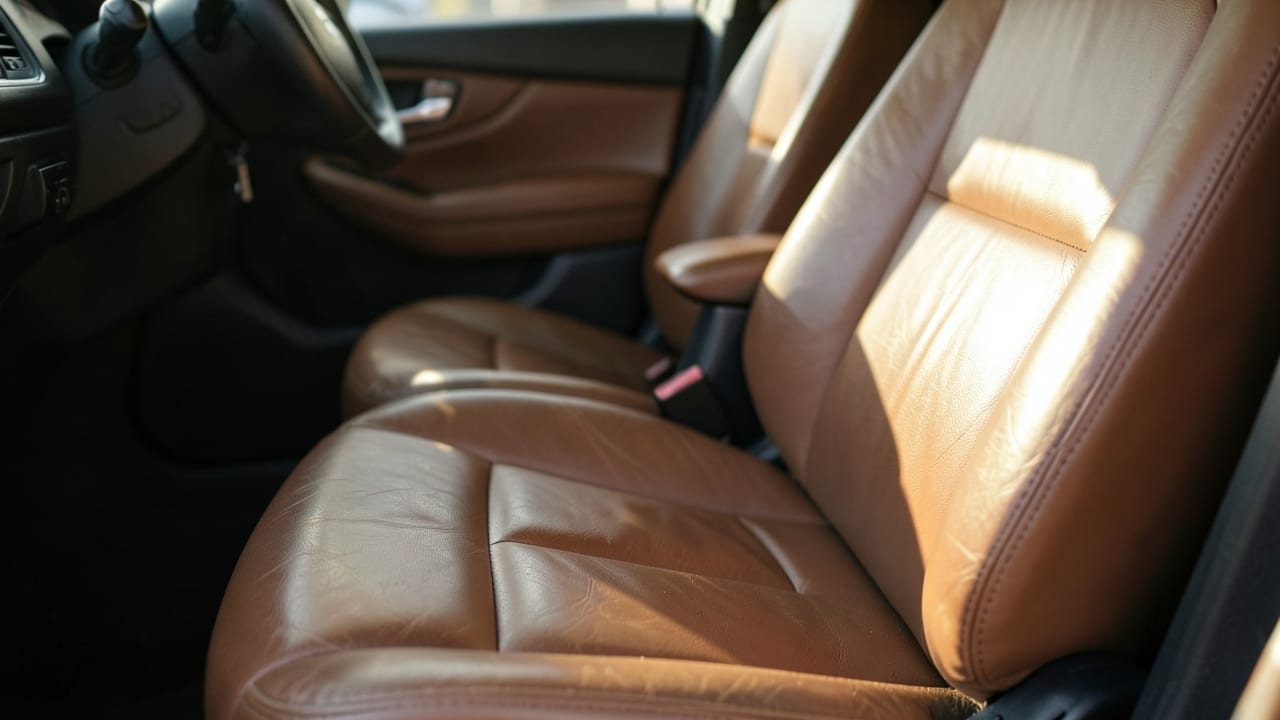
Leather Conditioning in Denver, CO
Professional application of ceramic coatings to protect and condition leather surfaces.
Learn More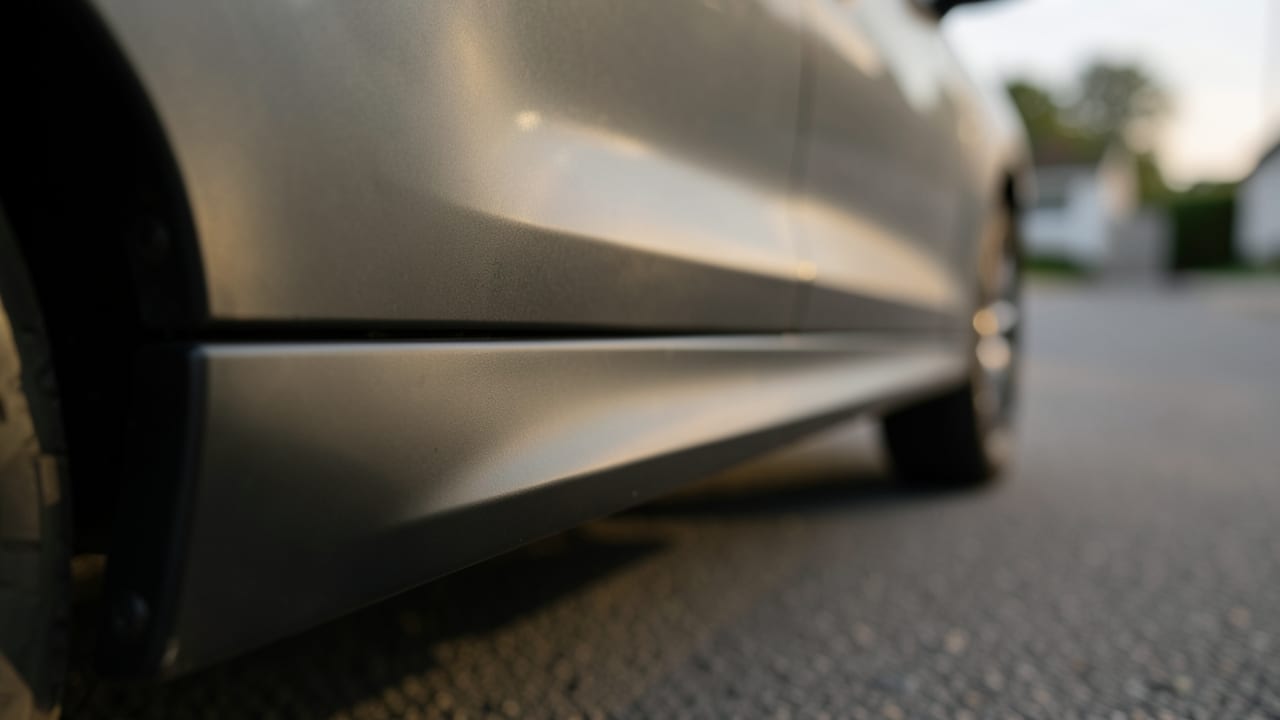
Plastic Trim Restoration in Denver, CO
Restoring faded or discolored plastic trim with ceramic coatings or protective treatments.
Learn More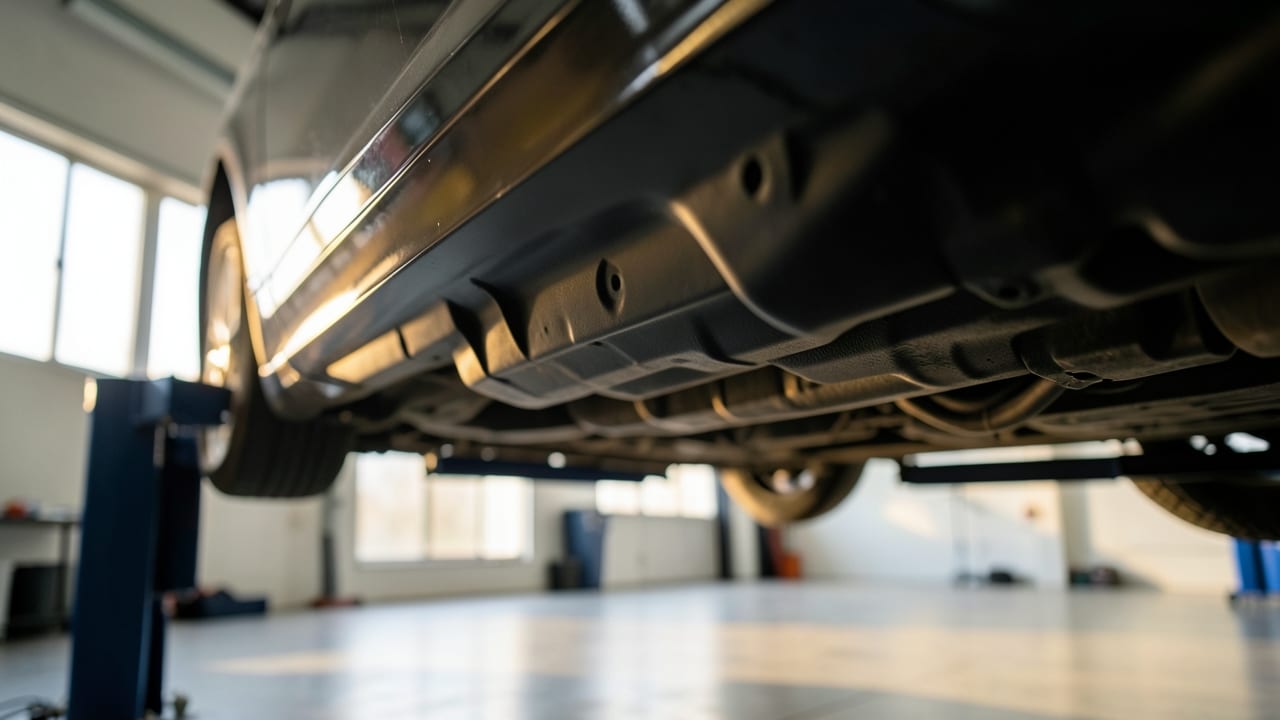
Undercoating Rustproofing in Denver, CO
Ceramic undercoating applied to vehicle chassis to prevent rust and corrosion.
Learn More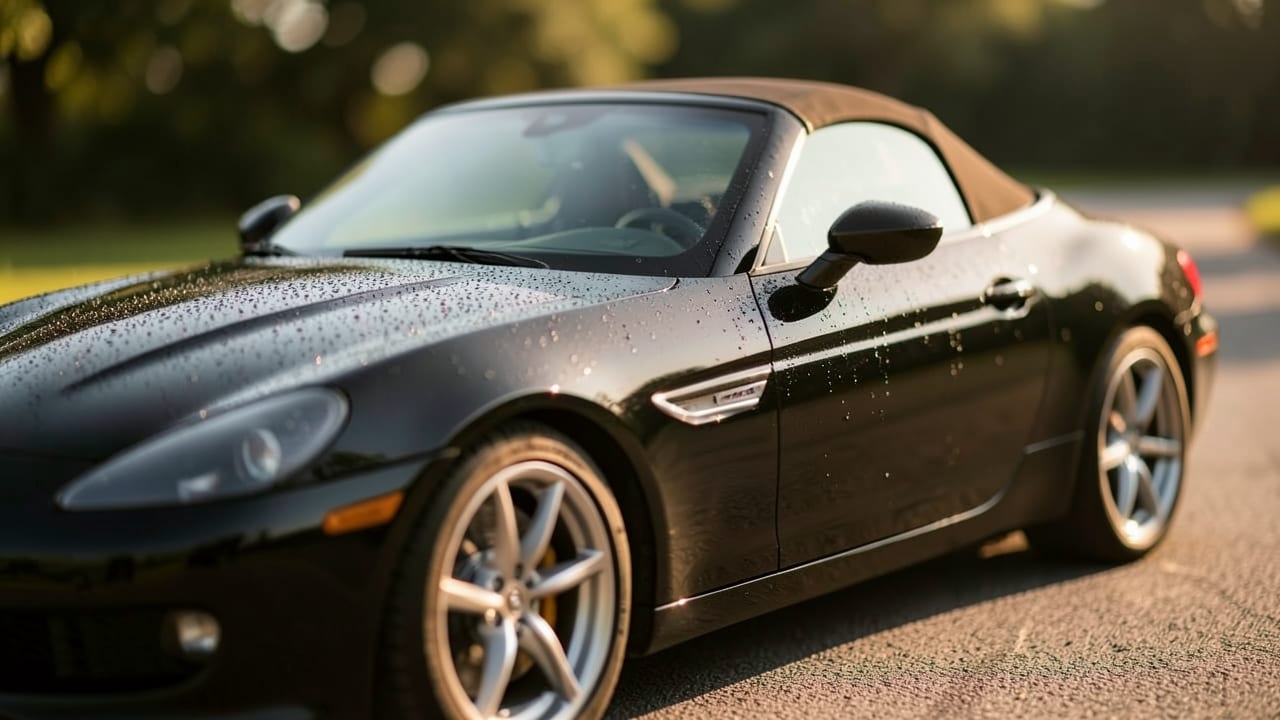
Convertible Top Protection in Denver, CO
Ceramic coating and protective treatments applied to convertible tops for durability and UV resistance.
Learn More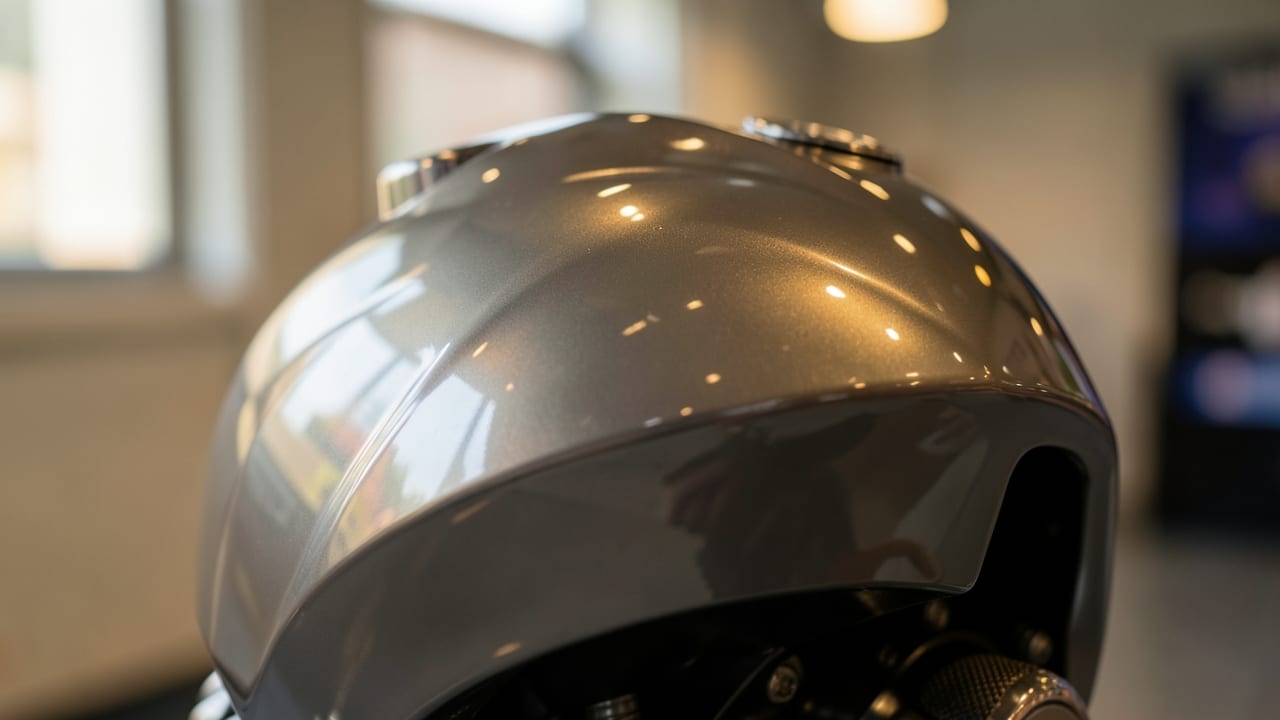
Motorcycle Ceramic Coating in Denver, CO
Professional application of ceramic coating to protect motorcycle paint and surfaces from damage.
Learn More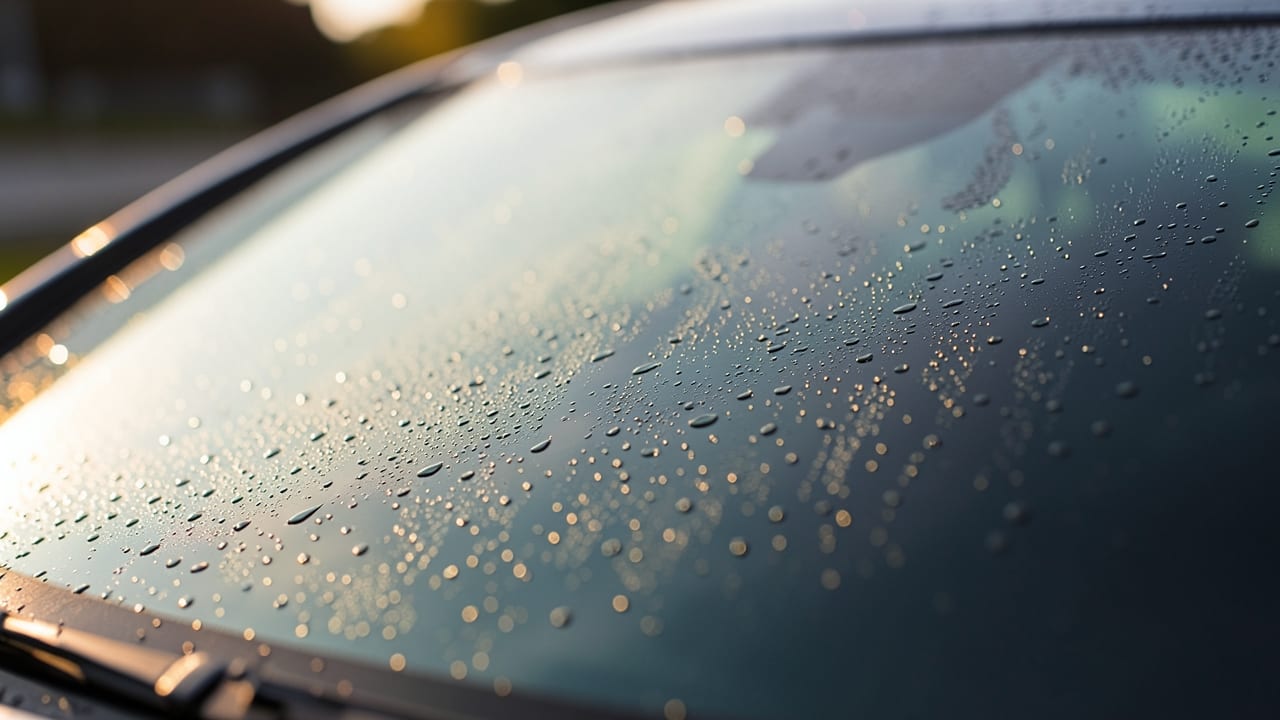
Glass Surface Hydrophobic Treatment in Denver, CO
Applying a ceramic coating to glass surfaces for water repellency and easier cleaning.
Learn MoreCommon Questions About Ceramic Coating in Denver
Everything you need to know about ceramic coating services in Denver
How much does Interior Ceramic Protection typically cost in Denver, CO?
Can ceramic coating prevent rock chips on mountain roads around Denver, CO?
Can a ceramic coating be applied over existing swirl marks or light scratches?
Is ceramic coating ever covered by comprehensive auto insurance?
Can ceramic coating be applied over a vinyl wrap or matte paint?
What does proper paint prep before a ceramic coating actually involve?
Need Ceramic Coating in Denver?
Get a written quote from our Denver crew.
⏰ We answer your call • Serving all of Denver and surrounding areas