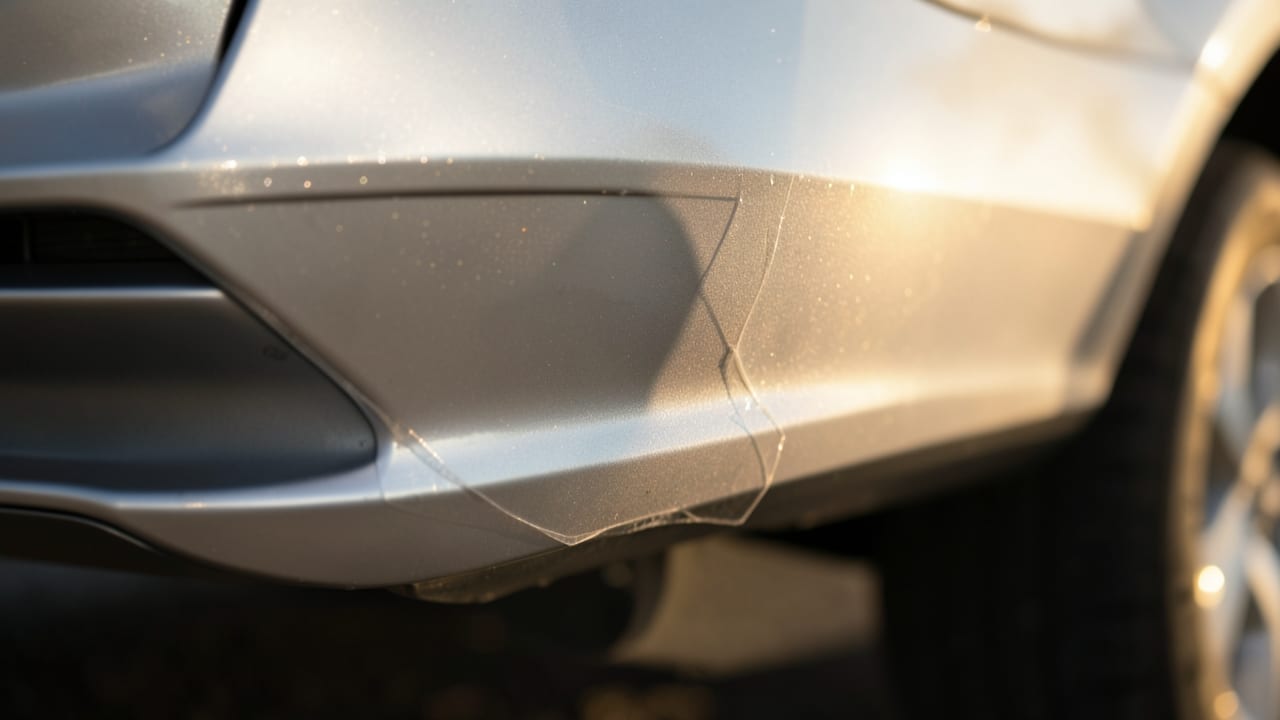
Paint Protection Film (PPF) Installation
Self-healing clear PPF installation in Denver, CO for high-impact panels or a full-body wrap — real physical protection against rock chips and road debris.
Protect your Denver vehicle’s paint from rock chips, road debris, and bug etching with professional Paint Protection Film (PPF) installation. Our precision-cut, self-healing urethane film acts as a physical barrier, preserving your car’s finish in all driving conditions.
Why PPF is the best defense for Denver roads
Denver’s highways and mountain roads expose vehicles to gravel, salt, and insects that chip or etch paint over time. PPF is a thick, clear urethane film applied to high-impact areas like the hood, bumper, fenders, mirrors, and rocker panels to absorb damage before it reaches your paint.
We also handle Post-Storm Contaminant Removal and Full-Vehicle Ceramic Coating for Denver vehicles.
Unlike ceramic coatings, which only enhance gloss and repel contaminants, PPF physically stops rock chips and minor abrasions. Its self-healing top layer even repairs light scratches with heat from sunlight or a heat gun, keeping your car looking newer longer.
Signs Your Vehicle Needs PPF
- Visible rock chips or paint nicks on the hood or bumper
- Bug splatter that etches or stains your paint after cleaning
- Frequent driving on gravel roads or in high-debris areas
- New vehicle purchase — protect it from day one
Custom coverage options for every Denver driver
We offer partial and full-body PPF packages tailored to your vehicle and driving habits. A partial front-end kit covers the most vulnerable areas, while a full-body wrap provides complete protection. Each panel is precision-cut from computer-generated patterns for your make and model, ensuring a seamless, factory-like finish.
Not sure which coverage level is right for you? We’ll inspect your vehicle and explain the wear patterns we commonly see on similar models in the Denver area, so you can make an informed decision.
| Coverage Level | Panels Covered | Best For |
|---|---|---|
| Partial Front-End Kit | Hood edge, bumper, mirrors, fender leading edges | Daily commuters on highways |
| Full Hood & Fender Kit | Entire hood, full fenders, bumper, mirrors | Frequent highway or mountain drivers |
| Full-Body Wrap | All exterior panels | Luxury or high-value vehicles, off-road enthusiasts |
PPF + ceramic coating: the ultimate protection combo
For maximum protection and ease of maintenance, we can apply a ceramic coating over your PPF. This adds a slick, hydrophobic layer that repels water, bugs, and tar, making cleanup faster and keeping your car looking glossy between washes.
The coating also helps unify the appearance between filmed and unfilmed panels, so your vehicle maintains a consistent, showroom-quality finish.
Ceramic coating alone won’t stop rock chips. For physical damage protection, PPF is the only solution.
How paint protection film installation works
Our process ensures a flawless, long-lasting finish for your vehicle.
- 1Vehicle Inspection & Prep
We thoroughly clean and inspect your vehicle to identify high-impact areas and existing damage. This ensures the film adheres properly and any imperfections are addressed before installation.
- 2Computer-Generated Pattern Cutting
Using your vehicle’s make and model, we cut each PPF panel from pre-designed patterns for a precise, wrapped-edge fit. This eliminates gaps and lifting at panel seams.
- 3Dust-Controlled Installation
In our clean, controlled workspace, we apply the film to each panel, carefully smoothing out air bubbles and ensuring no debris is trapped underneath. Dust prevention is critical to avoid visible imperfections.
- 4Final Inspection & Optional Coating
We perform a final inspection to confirm a seamless finish. If requested, we apply a ceramic coating over the PPF for added gloss and easier maintenance.
Frequently asked questions
How long does PPF installation take for a partial front-end kit?
A partial front-end kit typically takes 1-2 days, depending on the vehicle and our current schedule. Full-body wraps may require 2-4 days to ensure precision and quality.
Will PPF yellow or discolor over time?
High-quality PPF, like the type we use, is UV-resistant and color-stable. It won’t yellow or discolor under normal conditions, even with prolonged sun exposure.
Can PPF be removed without damaging my paint?
Yes, PPF is designed to be safely removed without harming your vehicle’s paint, as long as it’s done by a professional. We use techniques that prevent adhesive residue or paint peeling.
What’s the difference between PPF and a ceramic coating?
PPF is a physical barrier that protects against rock chips and minor abrasions, while a ceramic coating is a liquid polymer that enhances gloss and repels contaminants. For maximum protection, many owners combine both.
Where Denver sits, and what the Census lists nearby
Denver sits in Colorado, and the closest places listed in the U.S. Census Gazetteer are Glendale (5 miles southwest), Four Square Mile (5.6 miles south), Derby (5.8 miles north), North Washington (6.1 miles northwest). Within 25 miles of Denver the same source lists 82 distinct incorporated places and census-designated places.
Those figures matter for paint protection film (ppf) installation because they are straight-line distances between Census coordinate points: road mileage between Denver and Glendale runs longer than the 5 miles shown, which is why quotes for the same job differ between towns that look close together on a map.
Source: U.S. Census Bureau Gazetteer.
See Berkley, CO for more, or see how our Denver crew can help in one place for our complete lineup.
Ready to get started?
Talk to a local ceramic coating pro in Denver — get a written quote.
Other Ceramic Coating Services in Denver
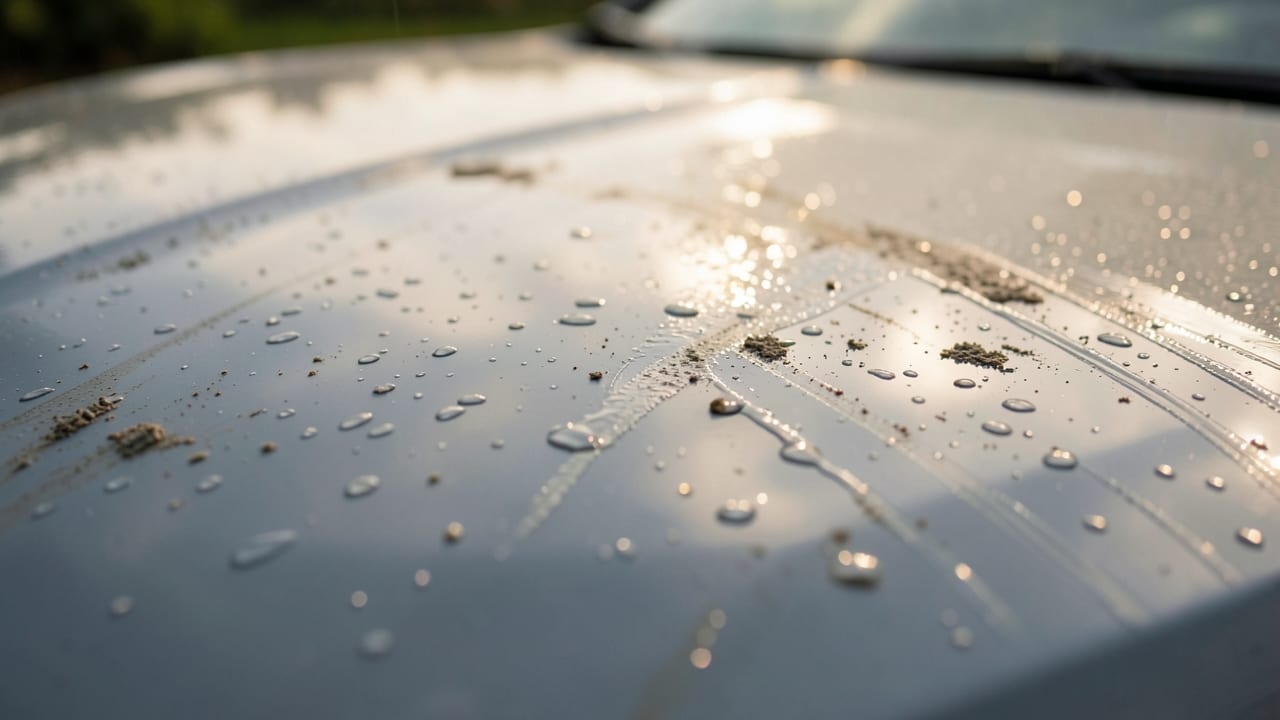
Post-Storm Contaminant Removal in Denver, CO
Removal of contaminants from vehicle paint after storms, followed by ceramic coating application.
Learn More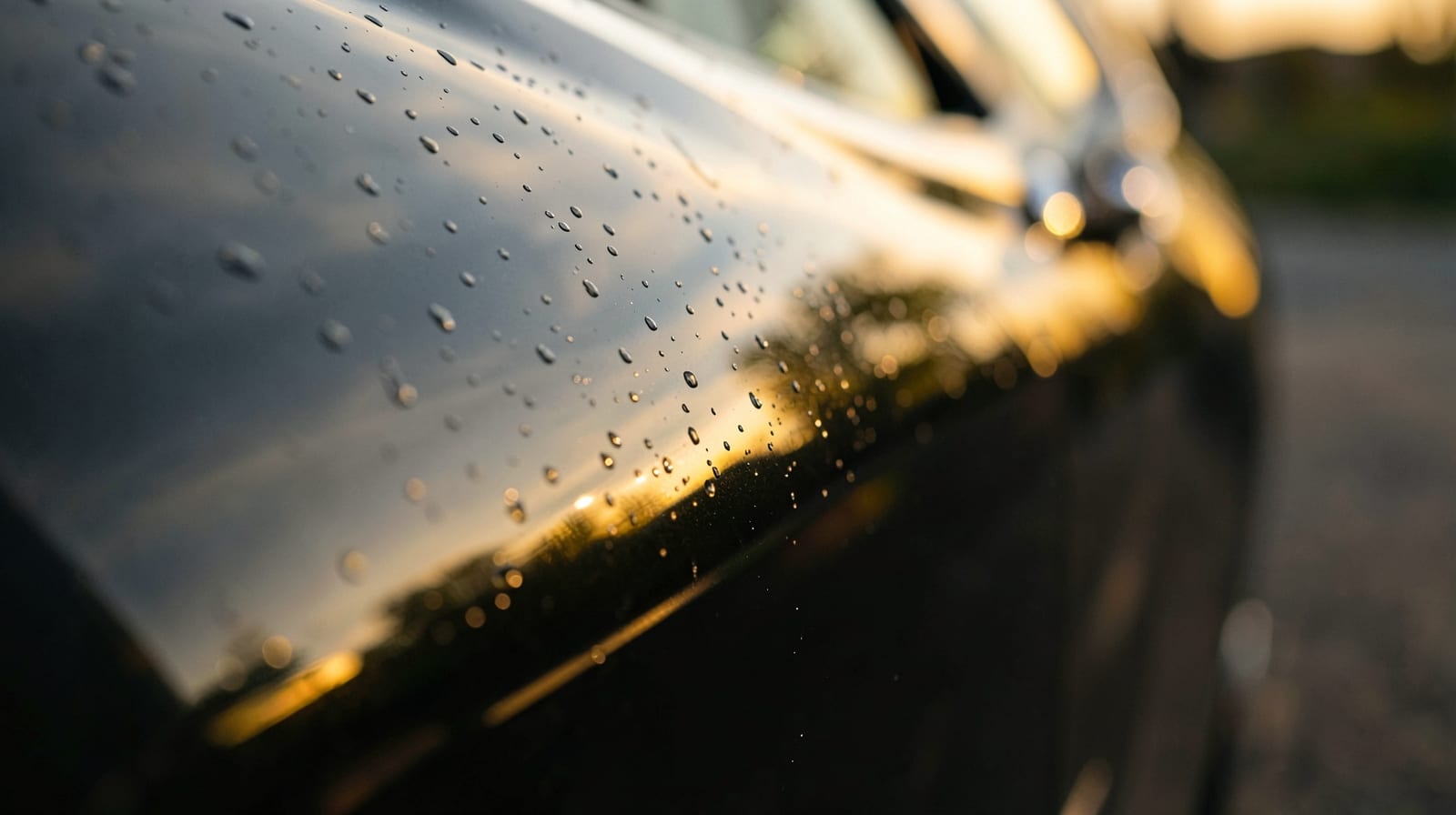
Full-Vehicle Ceramic Coating in Denver, CO
Professional nano-ceramic coating for vehicles in Denver, CO — a hard, semi-permanent SiO2 layer for deep gloss, strong hydrophobic protection, and easier washing.
Learn More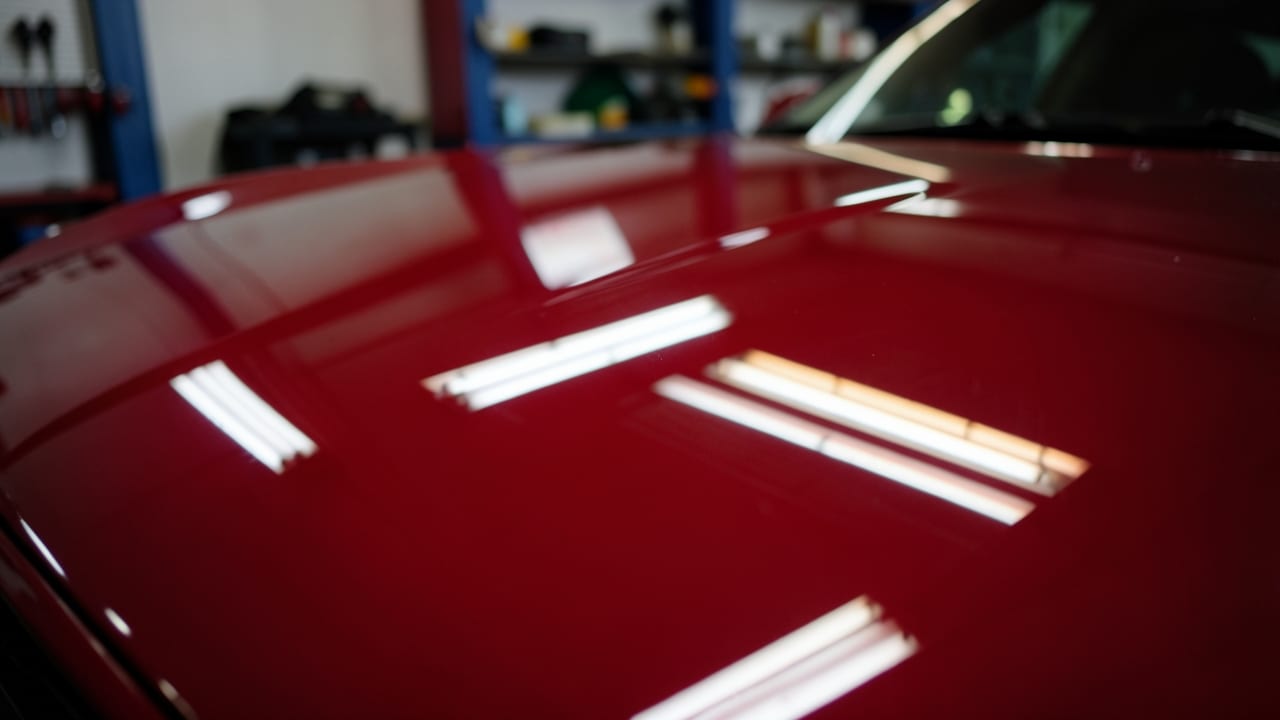
Paint Correction & Polishing in Denver, CO
Machine paint correction and polishing in Denver, CO — removes swirl marks, oxidation, and water spots, and is the mandatory first step before any ceramic coating.
Learn More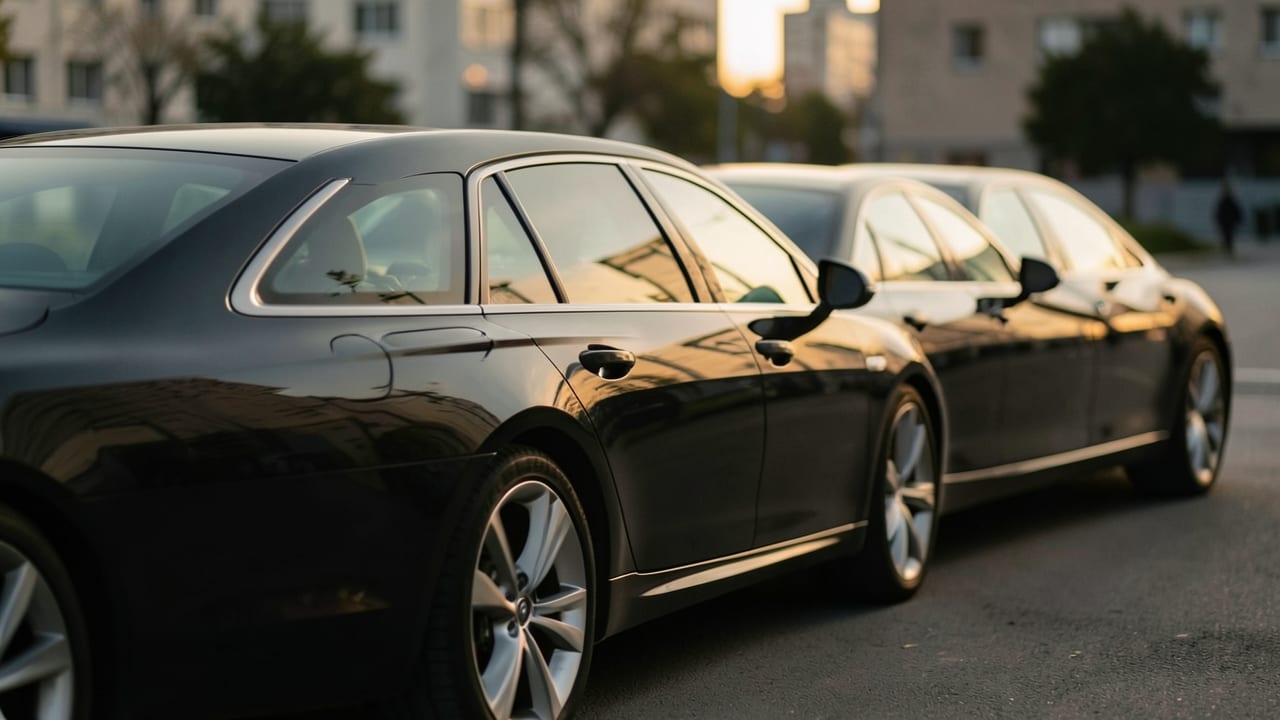
Ceramic Window Tint in Denver, CO
Nano-ceramic window tint in Denver, CO — rejects heat and blocks 99% of UV without the signal interference or fading of cheaper films.
Learn More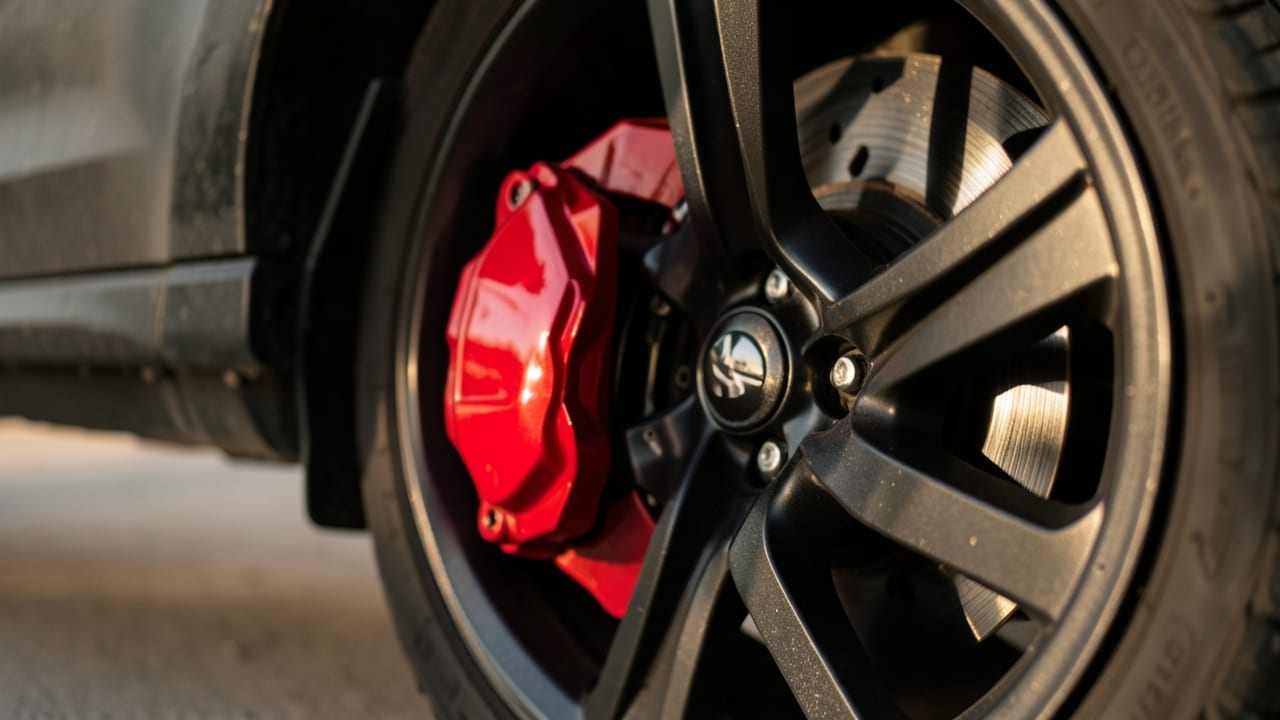
Wheel & Brake Caliper Ceramic Coating in Denver, CO
Dedicated ceramic coating for wheels and brake calipers in Denver, CO — stops brake dust and corrosive grime from bonding to the finish.
Learn More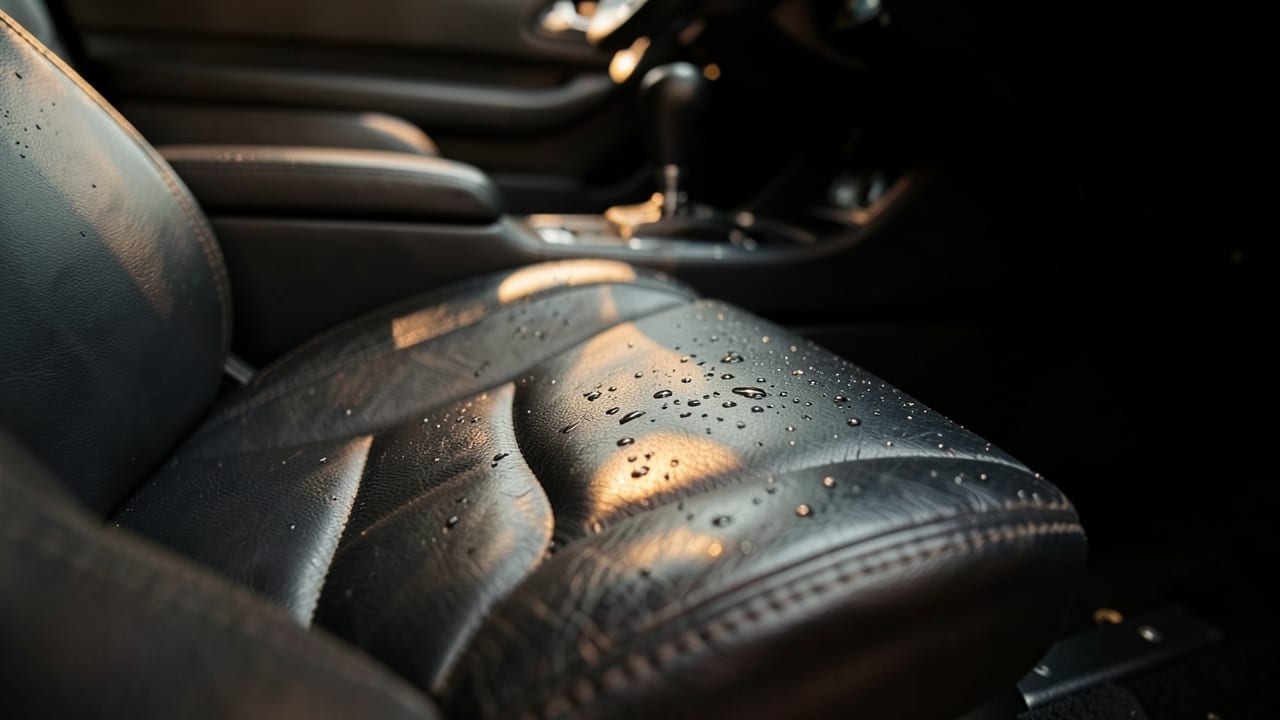
Interior Ceramic Protection in Denver, CO
Interior fabric, leather, and trim ceramic protection in Denver, CO — guards against spills, UV fading, and daily wear.
Learn MoreCommon Questions About Ceramic Coating in Denver
Everything you need to know about ceramic coating services in Denver
How much does Paint Protection Film (PPF) Installation typically cost in Denver, CO?
Can ceramic coating prevent rock chips on mountain roads around Denver, CO?
Will a ceramic coating stop rock chips or scratches?
What's the actual difference between wax, paint sealant, and ceramic coating?
Can ceramic coating be applied at home instead of by a detailing shop?
How long does a ceramic coating actually last in real-world use?
Need Ceramic Coating in Denver?
Get a written quote from our Denver crew.
⏰ We answer your call • Serving all of Denver and surrounding areas