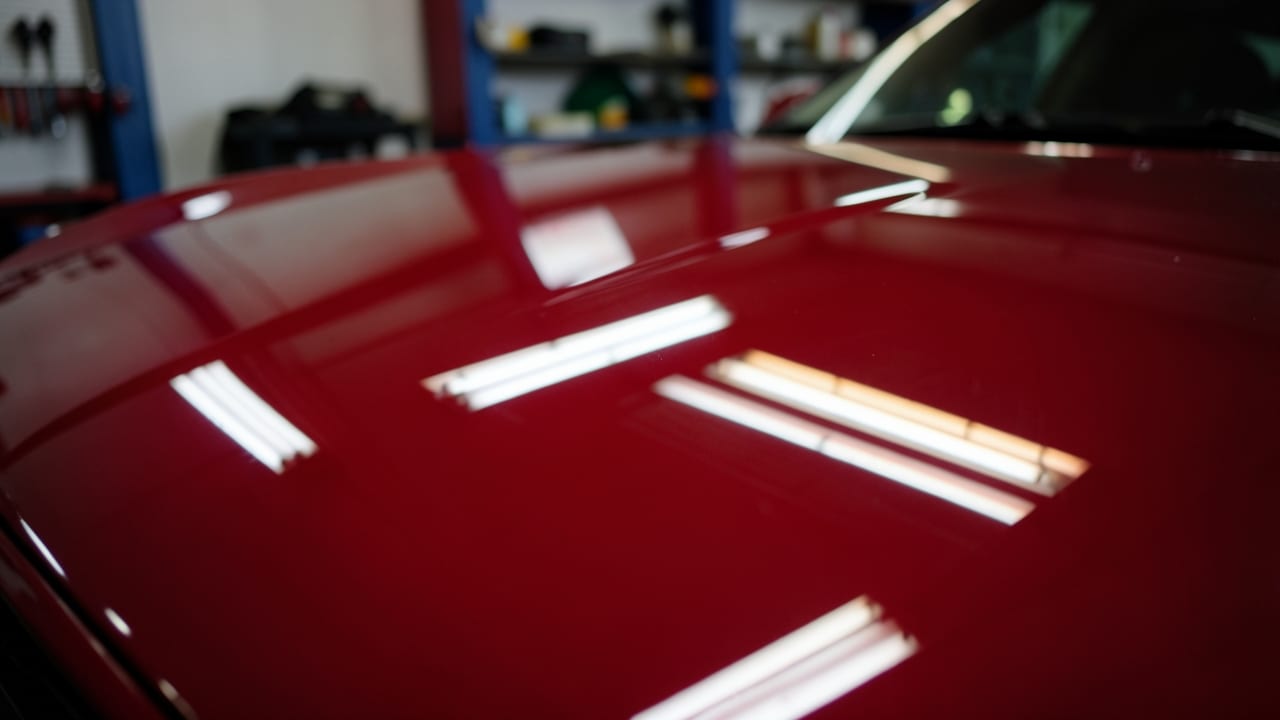
Paint Correction & Polishing
Machine paint correction and polishing in Denver, CO — removes swirl marks, oxidation, and water spots, and is the mandatory first step before any ceramic coating.
In Denver, CO, our paint correction and polishing service restores your vehicle’s clear coat by removing swirl marks, oxidation, and light scratches through precision machine-polishing, not temporary fillers. It’s the essential prep step before ceramic coating or a standalone solution for a showroom finish.
Why paint correction in Denver matters
Denver’s high altitude and intense UV exposure accelerate paint oxidation, while road debris and improper washing create swirl marks and water spots. Paint correction removes these defects at the clear coat level, restoring gloss and depth.
We also handle Clay Bar Paint Decontamination and Engine Bay Detailing for Denver vehicles.
Unlike wax or sealants that mask imperfections, correction permanently eliminates them. For ceramic coatings, it’s non-negotiable—coatings amplify whatever lies beneath, so uncorrected defects become permanent once sealed.
Signs Your Denver Vehicle Needs Paint Correction
- Visible swirl marks or spider-webbing under direct light
- Dull, hazy, or oxidized paint, especially on horizontal surfaces
- Light scratches that catch your fingernail
- Water spots or etches that won’t wash off
What affects cost and time
Correction time and pricing depend on your paint’s condition. A single-stage enhancement for lightly marred finishes takes 6–8 hours, while a full multi-stage correction for heavily defective paint can span 2–3 days.
We always measure paint thickness with a gauge to avoid over-cutting, especially on thin or previously repainted panels. Denver’s dry climate can also mean more embedded contaminants, requiring extra decontamination steps.
| Paint Condition | Process | Estimated Time | Typical Cost Range |
|---|---|---|---|
| Light swirls, minor oxidation | Single-stage enhancement | 6–8 hours | $300–$600 |
| Moderate swirls, water spots, oxidation | Two-stage correction | 1–2 days | $600–$1,200 |
| Heavy defects, deep scratches, severe oxidation | Multi-stage correction (3+ stages) | 2–3 days | $1,200–$2,500+ |
The difference between correction and coating
Paint correction restores the clear coat by removing defects, while ceramic coating adds a durable, optically clear protective layer. Coating without correction locks in imperfections, making them harder to fix later.
Think of correction as the foundation and coating as the roof. Skipping correction to save time or money will leave you with a glossy finish that highlights every scratch and swirl beneath it.
How paint correction & polishing works
Our process ensures every defect is addressed without compromising your paint’s integrity.
- 1Decontamination Wash
We start with a thorough wash and clay-bar pass to remove embedded contaminants like tar, iron particles, and industrial fallout that dull your paint.
- 2Paint Inspection
Under a swirl-finder light, we identify and map all defects, measuring paint thickness with a gauge to determine the safest correction approach for each panel.
- 3Machine Polishing
Using a dual-action or rotary polisher, we apply progressively finer compounds and pads in cutting, polishing, and finishing passes, checking progress under the light between each stage.
- 4Final Inspection
After correction, we perform a final inspection under multiple light sources to confirm all defects have been removed and the paint is ready for coating or delivery.
Frequently asked questions
Can paint correction fix a deep scratch that’s down to the metal?
No. Correction only removes defects in the clear coat, like swirls, light scratches, and oxidation. Deep scratches that cut through to the base color or primer require paint or bodywork, and we’ll advise you honestly if that’s what your vehicle needs.
Do I need paint correction before a ceramic coating?
Yes. Ceramic coatings are optically clear and long-lasting, so they amplify any defects beneath them. Skipping correction means sealing in swirls, scratches, or oxidation, which will remain visible until the coating is removed.
How long does the correction process take for my car?
It depends on your paint’s condition. A single-stage enhancement for light defects takes 6–8 hours, while a full multi-stage correction for heavily marred paint can take 2–3 days. Call for a quote based on your vehicle’s specific needs.
Will paint correction damage my car’s paint?
No, when done professionally. We measure paint thickness with a gauge and use the appropriate pads, compounds, and techniques for your paint’s hardness. Thin or previously repainted panels are treated conservatively to avoid cutting through the clear coat.
Where Denver sits, and what the Census lists nearby
Denver sits in Colorado, and the closest places listed in the U.S. Census Gazetteer are Glendale (5 miles southwest), Four Square Mile (5.6 miles south), Derby (5.8 miles north), North Washington (6.1 miles northwest). Within 25 miles of Denver the same source lists 82 distinct incorporated places and census-designated places.
Those figures matter for paint correction & polishing because they are straight-line distances between Census coordinate points: road mileage between Denver and Glendale runs longer than the 5 miles shown, which is why quotes for the same job differ between towns that look close together on a map.
Source: U.S. Census Bureau Gazetteer.
See Derby, CO for more, or see the full ceramic coating lineup we run in Denver by neighborhood for our complete lineup.
Ready to get started?
Talk to a local ceramic coating pro in Denver — get a written quote.
Other Ceramic Coating Services in Denver
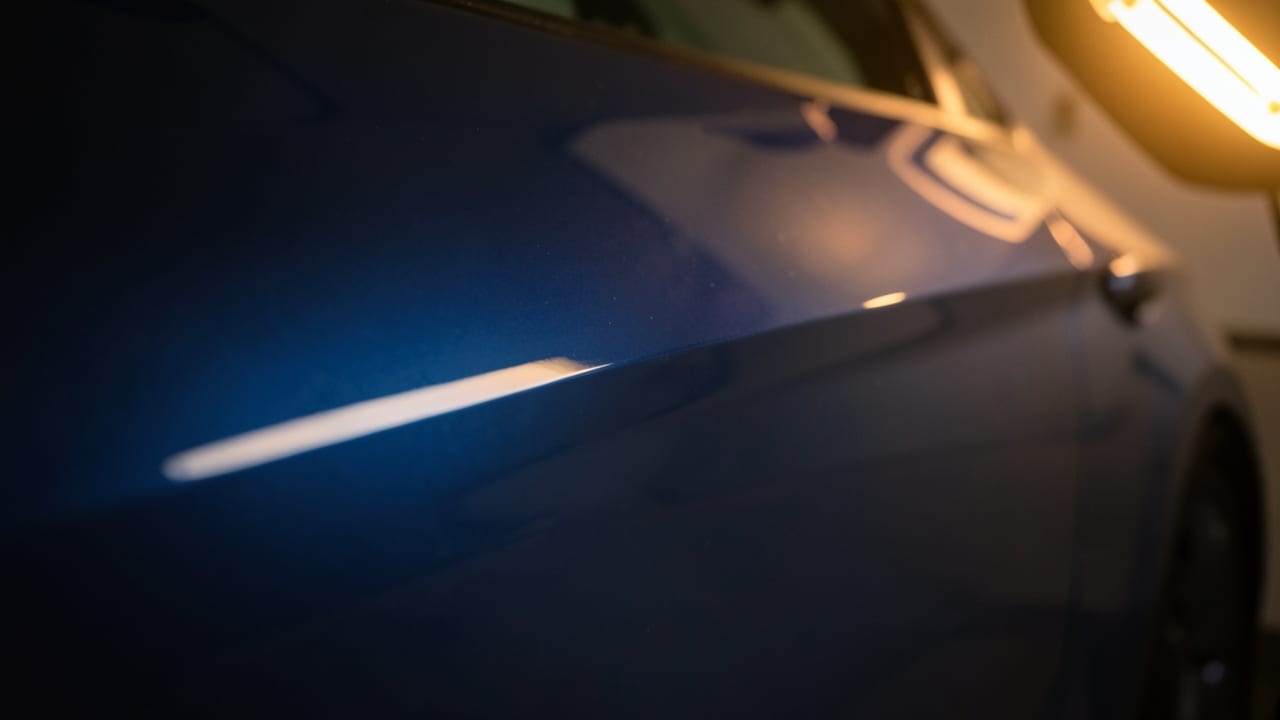
Clay Bar Paint Decontamination in Denver, CO
Clay bar paint decontamination in Denver, CO removes bonded surface contaminants a wash alone can't touch, before coating or correction.
Learn More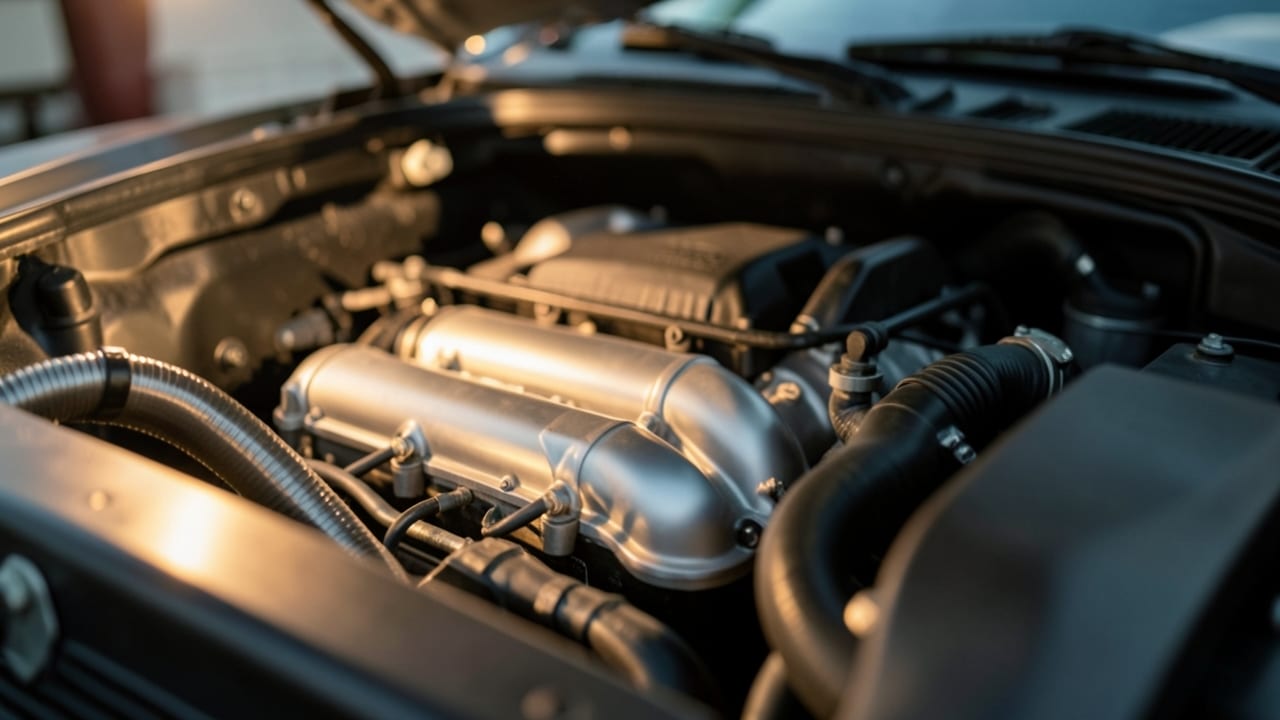
Engine Bay Detailing in Denver, CO
Engine bay detailing in Denver, CO — safe degreasing and dressing of the engine compartment without risking electrical components.
Learn More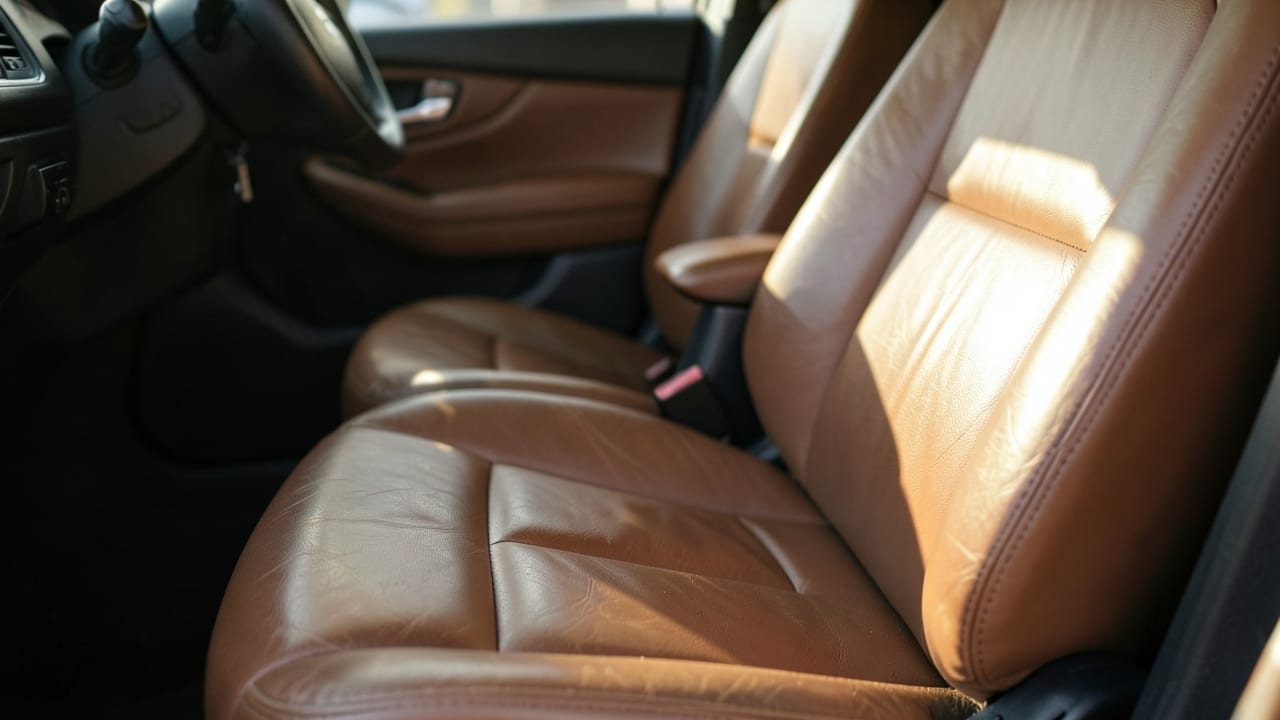
Leather Conditioning in Denver, CO
Professional application of ceramic coatings to protect and condition leather surfaces.
Learn More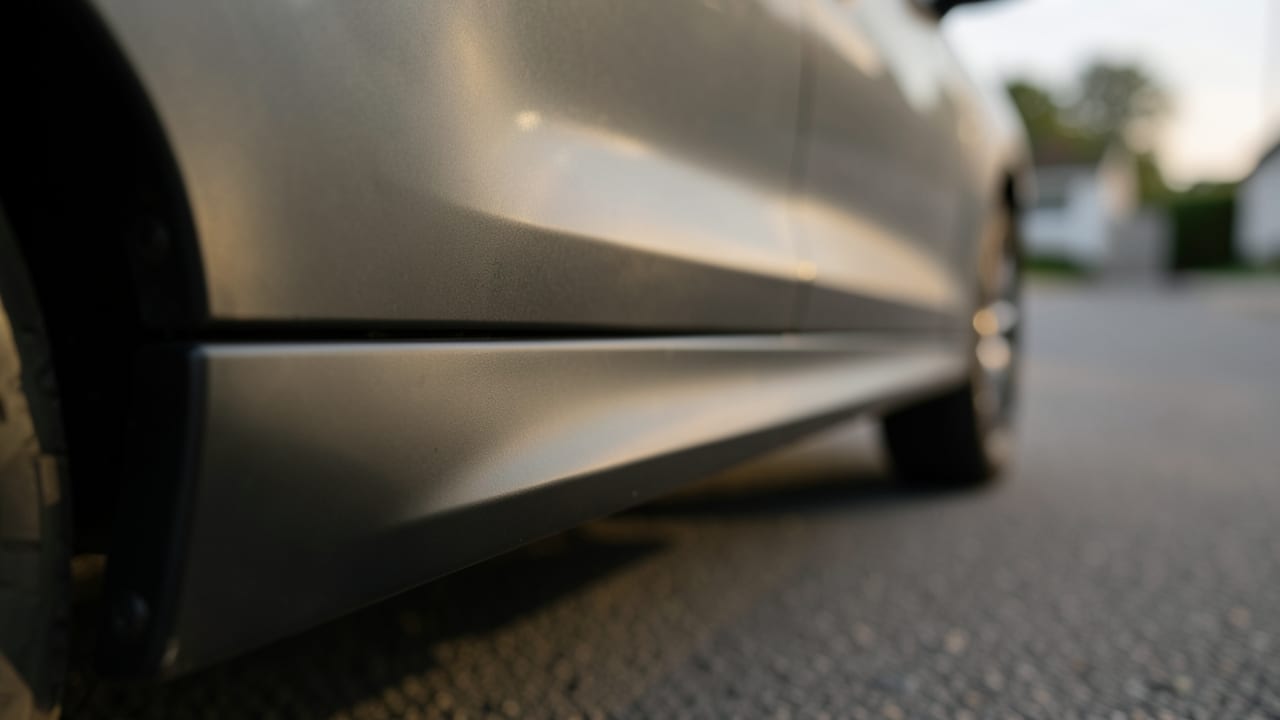
Plastic Trim Restoration in Denver, CO
Restoring faded or discolored plastic trim with ceramic coatings or protective treatments.
Learn More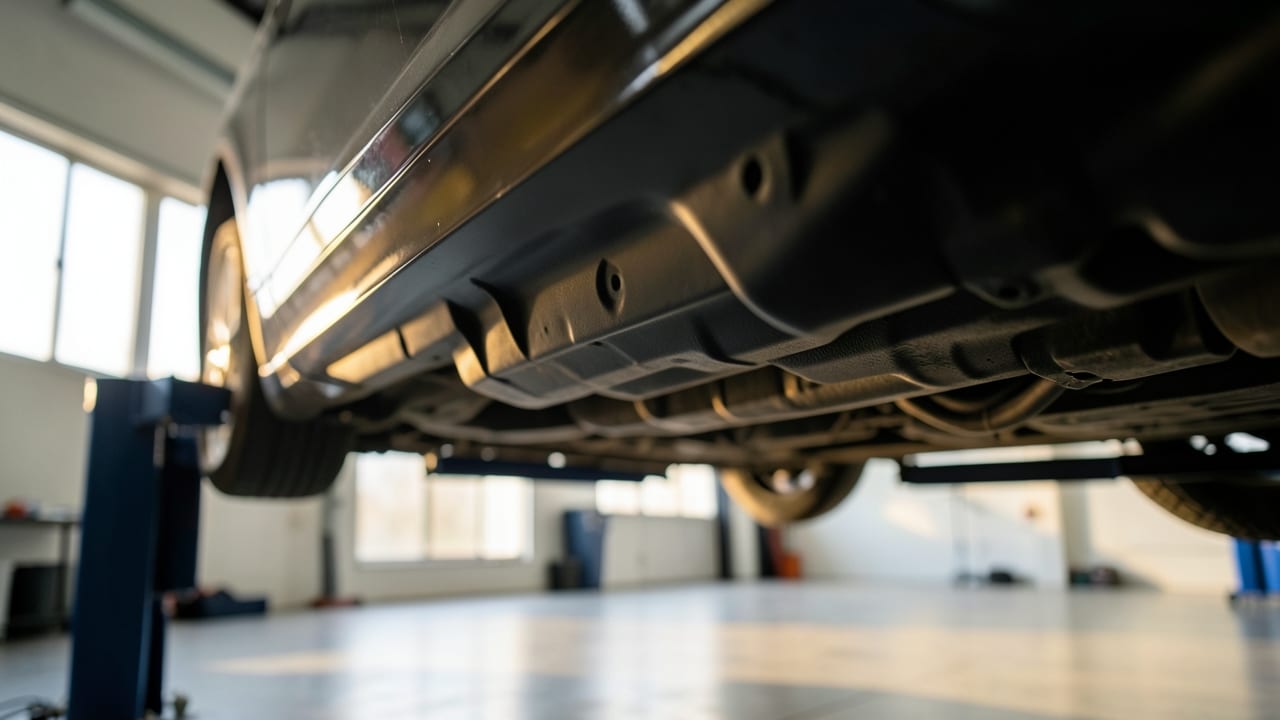
Undercoating Rustproofing in Denver, CO
Ceramic undercoating applied to vehicle chassis to prevent rust and corrosion.
Learn More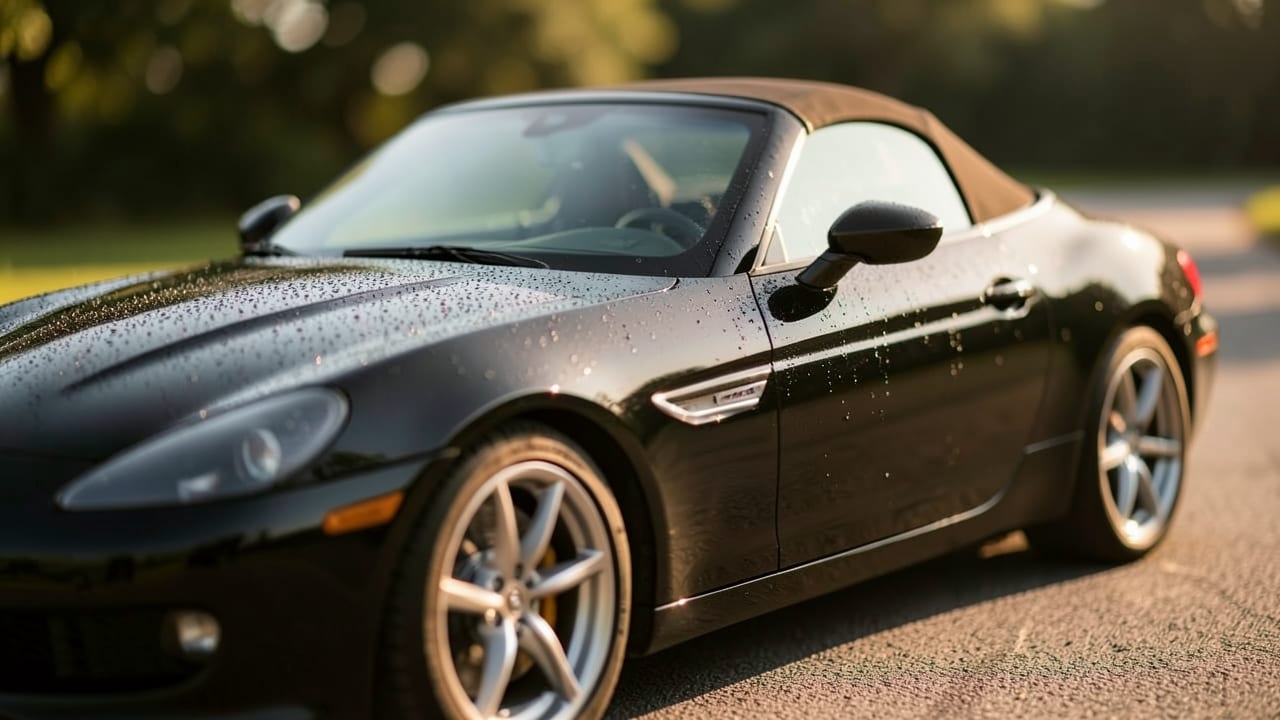
Convertible Top Protection in Denver, CO
Ceramic coating and protective treatments applied to convertible tops for durability and UV resistance.
Learn MoreCommon Questions About Ceramic Coating in Denver
Everything you need to know about ceramic coating services in Denver
How much does Paint Correction & Polishing typically cost in Denver, CO?
Can ceramic coating prevent rock chips on mountain roads around Denver, CO?
What does proper paint prep before a ceramic coating actually involve?
How should a coated vehicle be washed after the coating is applied?
Will a ceramic coating stop rock chips or scratches?
What's the actual difference between wax, paint sealant, and ceramic coating?
Need Ceramic Coating in Denver?
Get a written quote from our Denver crew.
⏰ We answer your call • Serving all of Denver and surrounding areas