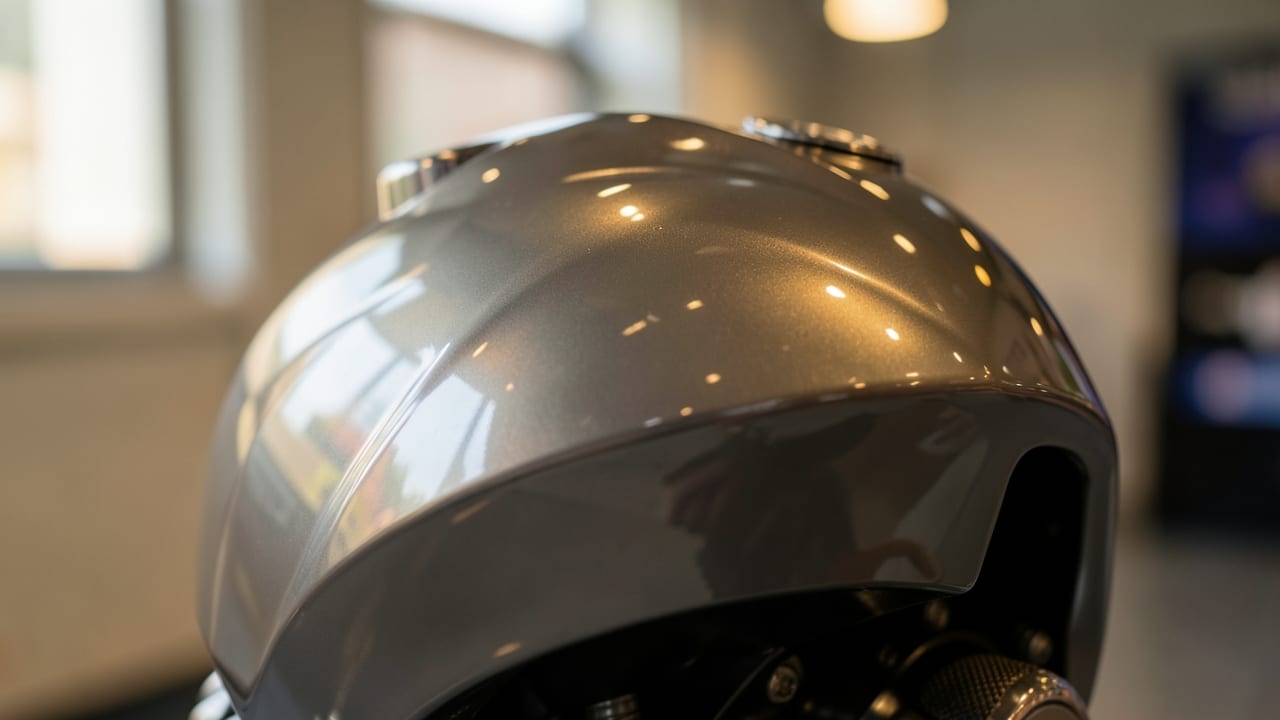
Motorcycle Ceramic Coating
Professional application of ceramic coating to protect motorcycle paint and surfaces from damage.
Motorcycle ceramic coating in Denver creates a protective liquid polymer layer over your bike’s paint, shielding it from scratches, UV damage, and contaminants. This process enhances gloss and durability, but requires meticulous prep—including cleaning, decontamination, and paint correction—to ensure long-lasting results.
Serving Denver and surrounding areas, this service helps restore and protect your motorcycle’s finish for years of riding.
We also handle Iron Particle Decontamination and Pre-Winter Paint Sealant Application for Denver vehicles.
When your bike needs ceramic coating
Ceramic coating is ideal for motorcycles that show signs of wear, such as dull paint, fine swirl marks, or water that doesn’t bead off smoothly. These are clear indicators that the existing protection has worn away, leaving the paint vulnerable to scratches and UV damage.
Coating won’t hide deep imperfections, but it can lock in a fresh, glossy finish if the surface is properly prepped first.
If your bike’s paint feels rough to the touch or looks hazy after washing, it’s likely due to bonded contaminants like brake dust or industrial fallout. These can’t be removed by washing alone—they require decontamination steps like iron removal and clay bar treatment before coating.
Skipping these can lead to an uneven finish that wears unevenly over time.
Signs Your Motorcycle Needs Coating
- Water doesn’t bead or rolls off unevenly (clear coat is exposed)
- Paint feels rough or bumpy when touched lightly with clean fingers
- Swirl marks or light scratches only visible under direct light (especially on dark colors)
- Paint looks dull or hazy immediately after washing, instead of glossy
- Frequent bird droppings, tree sap, or bug splatter leave etched marks over time
What affects pricing and timing
Pricing depends on the motorcycle’s size, paint condition, and the coating tier chosen—SiO2-based coatings are standard, while graphene or multi-layer options offer longer durability but at a higher cost.
Prep work, including paint correction, adds time and cost if swirl marks or scratches need addressing before coating. A full service typically takes 4–6 hours, including curing time.
Location within Denver’s metro area doesn’t change the process, but travel time to rural neighborhoods may. Coating is applied in a controlled environment to ensure proper adhesion and cure, which is why scheduling during stable weather (50–80°F and 40–60% humidity) helps avoid issues like streaking or flash-curing.
| Factor | Impact on Pricing/Timing |
|---|---|
| Bike size (sport vs. touring) | Larger bikes require more coating material and labor |
| Paint condition (swirls/scratches) | Correction polish adds 1–2 hours and cost if needed |
| Coating tier (SiO2 vs. graphene) | Graphene lasts longer but costs 30–50% more |
| Travel distance from Denver metro | Rural areas may add 30–60 minutes to travel time |
| Weather conditions (humidity/temp) | Ideal ranges (40–60% humidity, 50–80°F) avoid rework |
Before and after: what changes
Before coating, your bike’s paint may look dull, streaked, or feel rough due to contaminants and micro-scratches. After proper prep and coating, the finish becomes smoother, more reflective, and resistant to UV fading and light swirling.
However, the coating doesn’t replace impact protection—rock chips or deep scratches will still occur, though they may be less noticeable on a glossy surface.
The most noticeable difference is how water and dirt interact with the paint. A freshly coated bike will repel water into sheets, making cleaning easier and reducing the buildup of grime over time.
This effect lasts years, but only if maintained with the right washing techniques and avoiding automatic car washes during the first few weeks.
Ceramic coating does not prevent rock chips, dents, or deep scratches. It adds surface hardness against light swirling and UV damage but follows the contours of the paint underneath. Skipping paint correction before coating locks in existing imperfections permanently.
How motorcycle ceramic coating works
This multi-step process ensures a durable, glossy finish by removing contaminants and preparing the paint for the protective layer.
- 1Foam Pre-Wash and Wheel Cleaning
The bike undergoes a two-stage wash: a foam pre-wash to loosen dirt, followed by a dedicated wheel-and-tire clean to prevent brake dust from contaminating the paint. Different mitts are used for wheels and paint to avoid cross-contamination.
- 2Chemical Decontamination
Iron remover strips embedded brake dust from the clear coat, while tar and bug removers lift bonded road grime. These steps occur before any mechanical contact to avoid pushing contaminants deeper into the paint.
- 3Clay Bar Treatment
A lubricant and clay bar or mitt remove remaining bonded contaminants like overspray or industrial fallout. The surface is considered ready when it feels glass-smooth to the touch under the lubricant.
- 4Paint Correction and Wipe-Down
Swirl marks and light scratches are polished out under raking light, then the panels are wiped with isopropyl alcohol to remove any residue. This ensures the coating bonds directly to the clear coat without oils or polish leftovers.
- 5Coating Application and Cure
The coating is applied panel by panel in a dust-free space within a controlled humidity and temperature range. The bike must remain undisturbed for the full cure period—typically 24–48 hours—before exposure to water or washing.
Frequently asked questions
How do I know if my motorcycle’s paint is ready for ceramic coating?
If water doesn’t bead off smoothly or your paint feels rough when touched, it likely needs decontamination and correction first. A coating applied over unaddressed swirl marks or contaminants won’t hide them—it’ll lock them in permanently.
Can I wash my bike right after coating?
No. The coating requires a full cure period, usually 24–48 hours, before exposure to water. Washing too soon can cause water spots or uneven curing. Use a two-bucket wash method with pH-neutral soap once the cure is complete.
Will ceramic coating protect my bike from rock chips?
No. While coating adds surface hardness against light scratches and UV damage, it doesn’t stop rock chips or deep impacts. It may make minor chips less visible, but the paint underneath remains vulnerable to damage.
How long does the gloss from coating last?
The initial gloss can last 2–5 years with proper maintenance, but durability depends on prep quality, coating tier, and how you wash and store the bike. Graphene-based coatings typically last longer than standard SiO2 options.
Where Denver sits, and what the Census lists nearby
Denver sits in Colorado, and the closest places listed in the U.S. Census Gazetteer are Glendale (5 miles southwest), Four Square Mile (5.6 miles south), Derby (5.8 miles north), North Washington (6.1 miles northwest).
Within 25 miles of Denver the same source lists 82 distinct incorporated places and census-designated places.
Those figures matter for motorcycle ceramic coating because they are straight-line distances between Census coordinate points: road mileage between Denver and Glendale runs longer than the 5 miles shown, which is why quotes for the same job differ between towns that look close together on a map.
Source: U.S. Census Bureau Gazetteer.
See Wheat Ridge, CO for more, or browse everything on offer in Denver side by side for our complete lineup.
Ready to get started?
Talk to a local ceramic coating pro in Denver — get a written quote.
Other Ceramic Coating Services in Denver
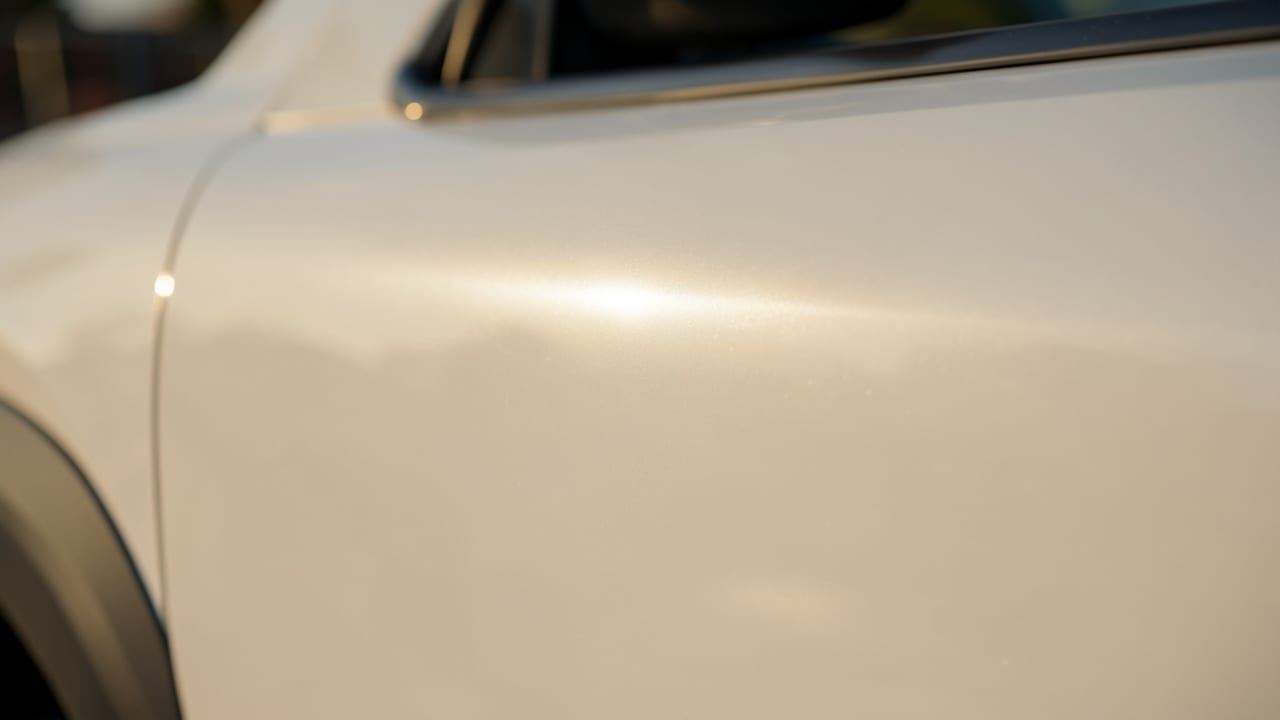
Iron Particle Decontamination in Denver, CO
Removal of embedded iron particles from automotive paint using chemical solutions.
Learn More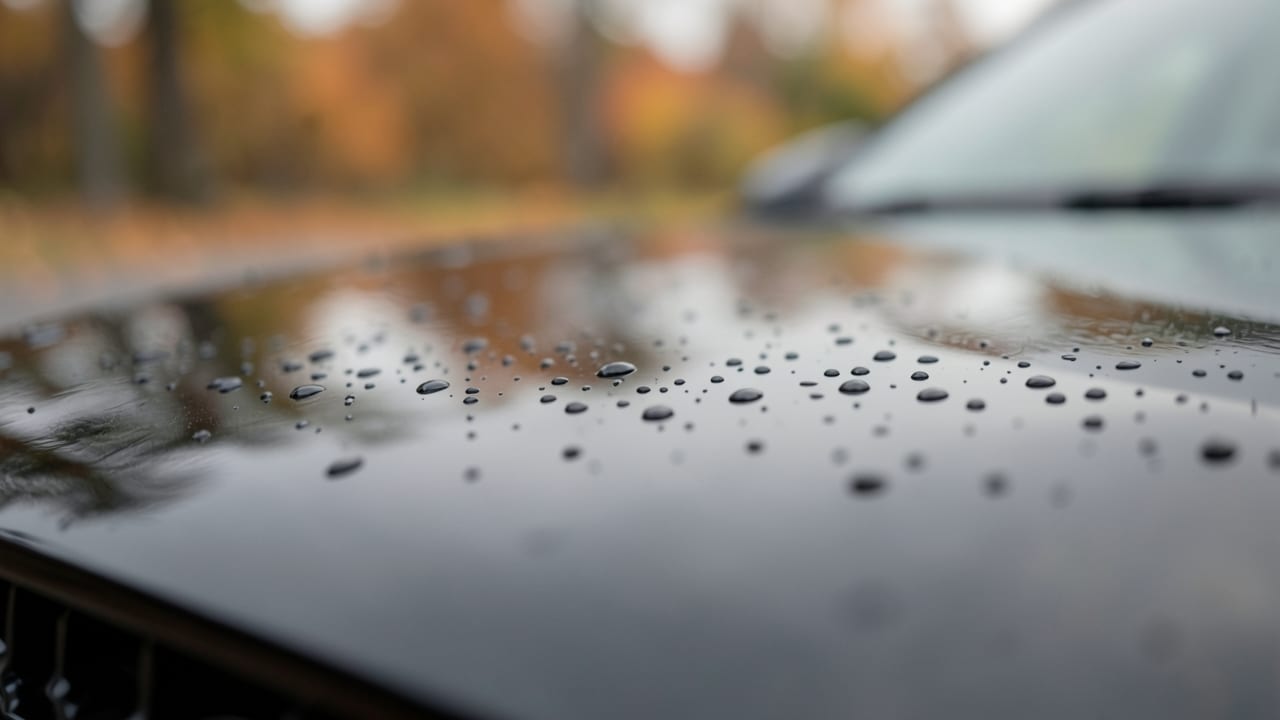
Pre-Winter Paint Sealant Application in Denver, CO
Professional application of ceramic-based sealant to protect vehicle paint before winter.
Learn More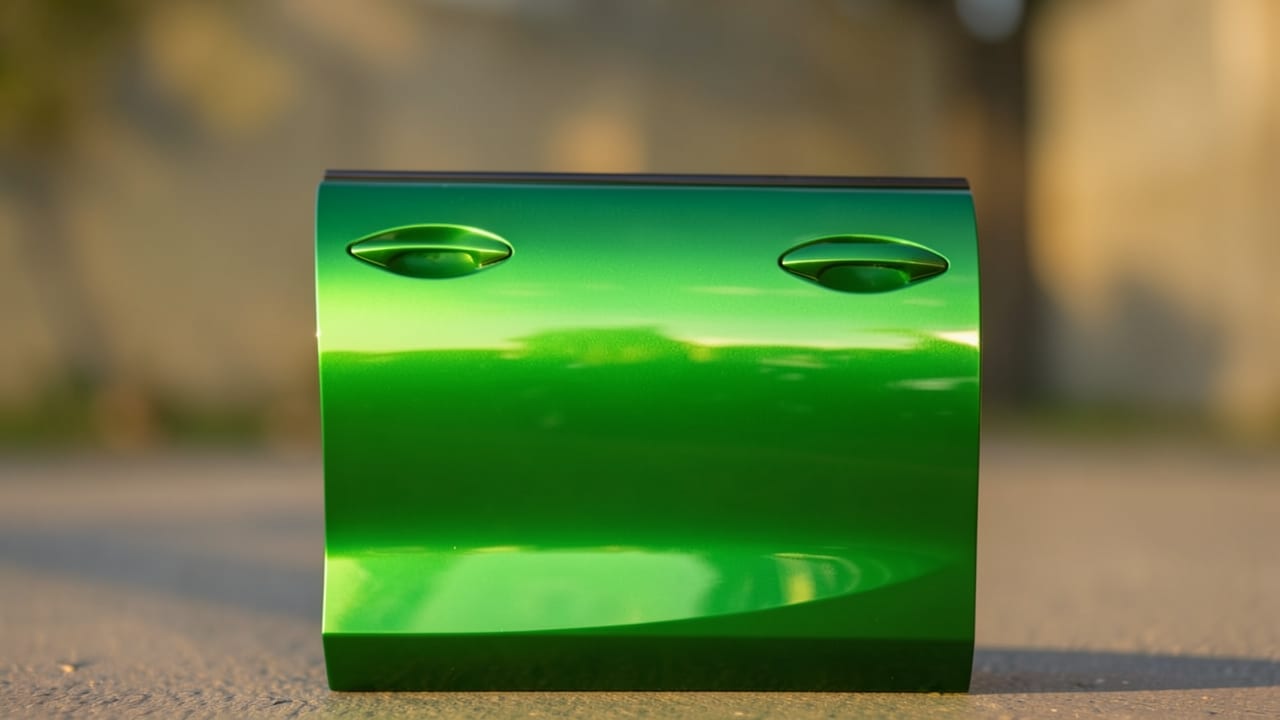
Spring Paint Rejuvenation in Denver, CO
Ceramic coating and paint correction to restore and protect vehicle surfaces.
Learn More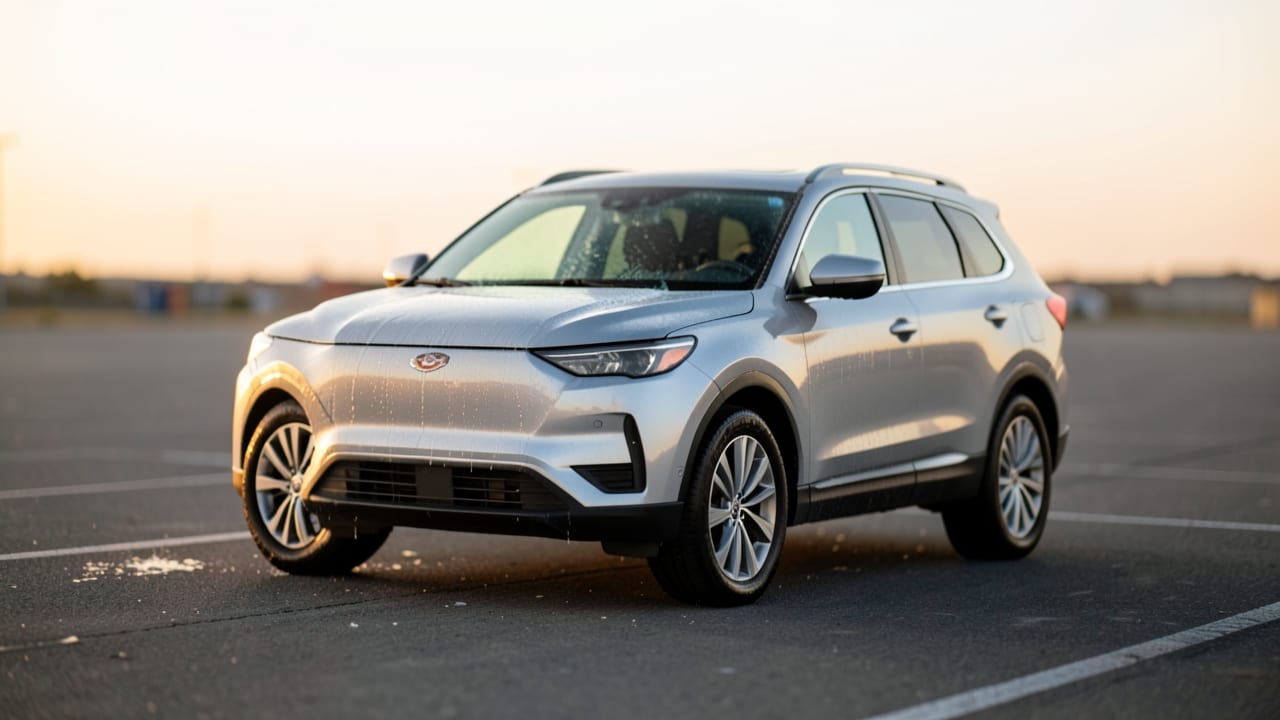
Annual Ceramic Maintenance Wash in Denver, CO
Professional cleaning and reapplication of ceramic coatings to preserve paint protection.
Learn More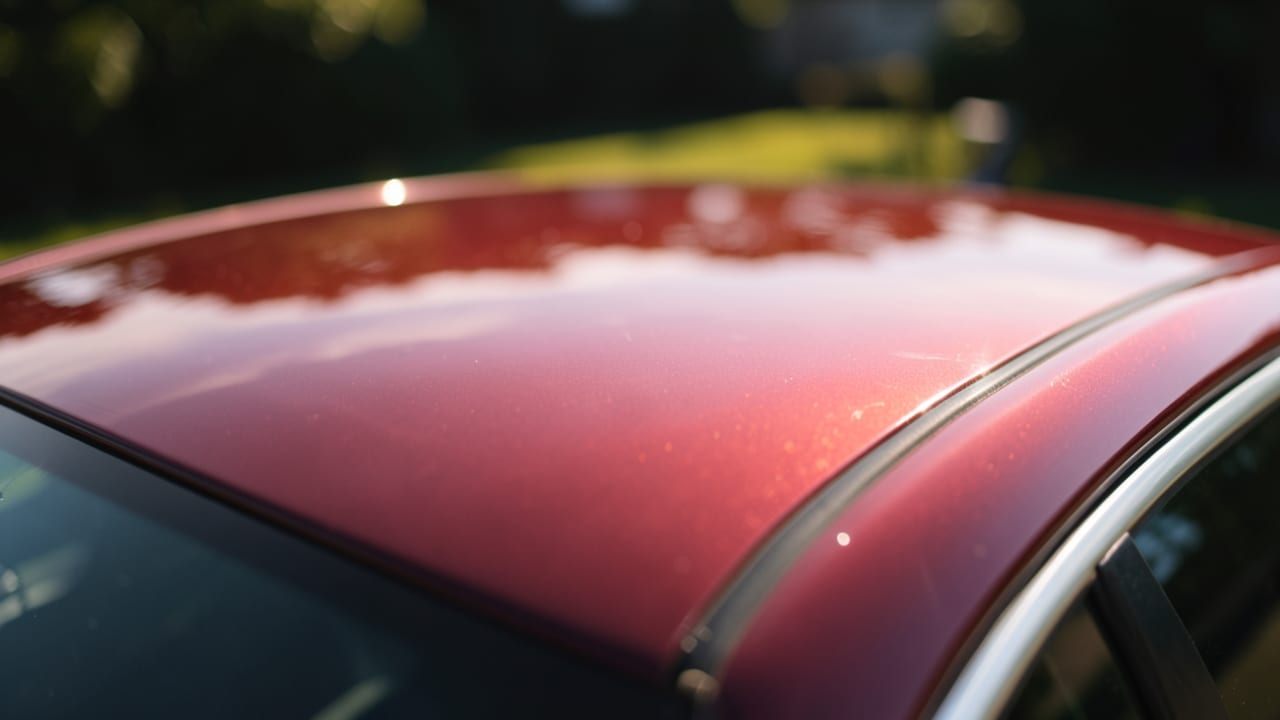
Mid-Summer UV Protection Top-Up in Denver, CO
Ceramic coating reapplication to restore UV protection and gloss on vehicle paint.
Learn More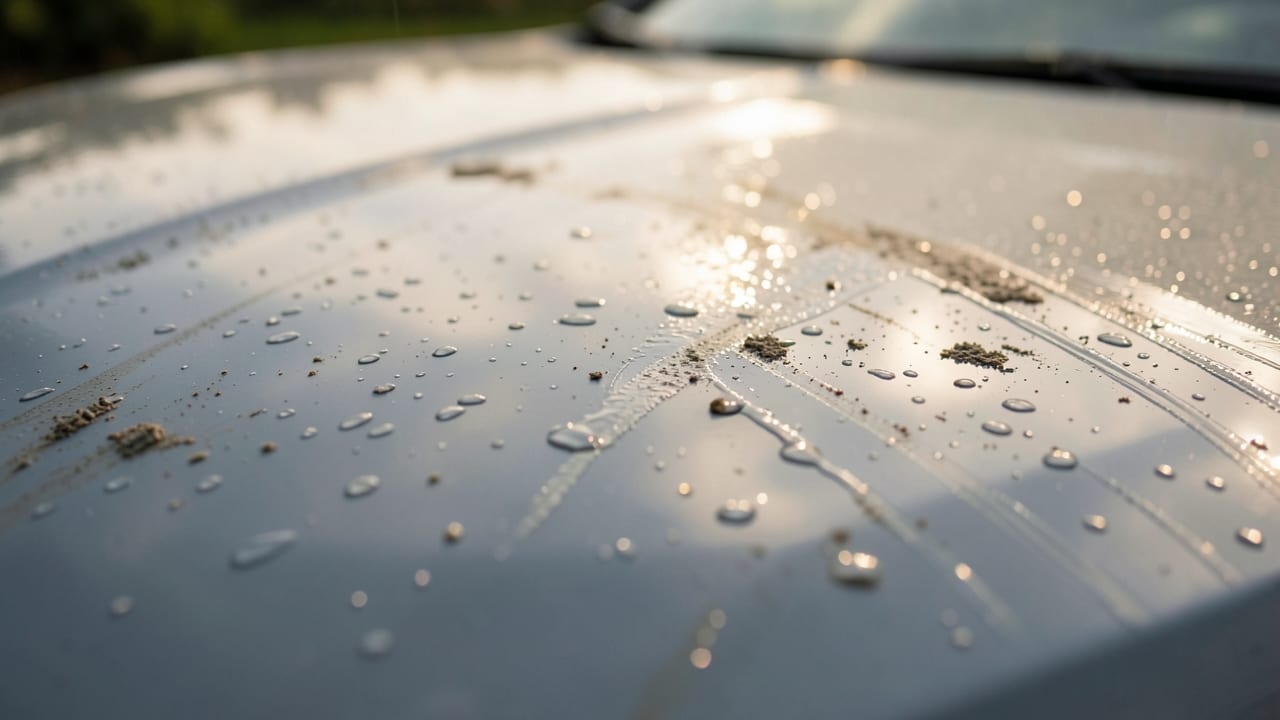
Post-Storm Contaminant Removal in Denver, CO
Removal of contaminants from vehicle paint after storms, followed by ceramic coating application.
Learn MoreCommon Questions About Ceramic Coating in Denver
Everything you need to know about ceramic coating services in Denver
How much does Motorcycle Ceramic Coating typically cost in Denver, CO?
Can ceramic coating prevent rock chips on mountain roads around Denver, CO?
How should a coated vehicle be washed after the coating is applied?
Will a ceramic coating stop rock chips or scratches?
What's the actual difference between wax, paint sealant, and ceramic coating?
Can ceramic coating be applied at home instead of by a detailing shop?
Need Ceramic Coating in Denver?
Get a written quote from our Denver crew.
⏰ We answer your call • Serving all of Denver and surrounding areas