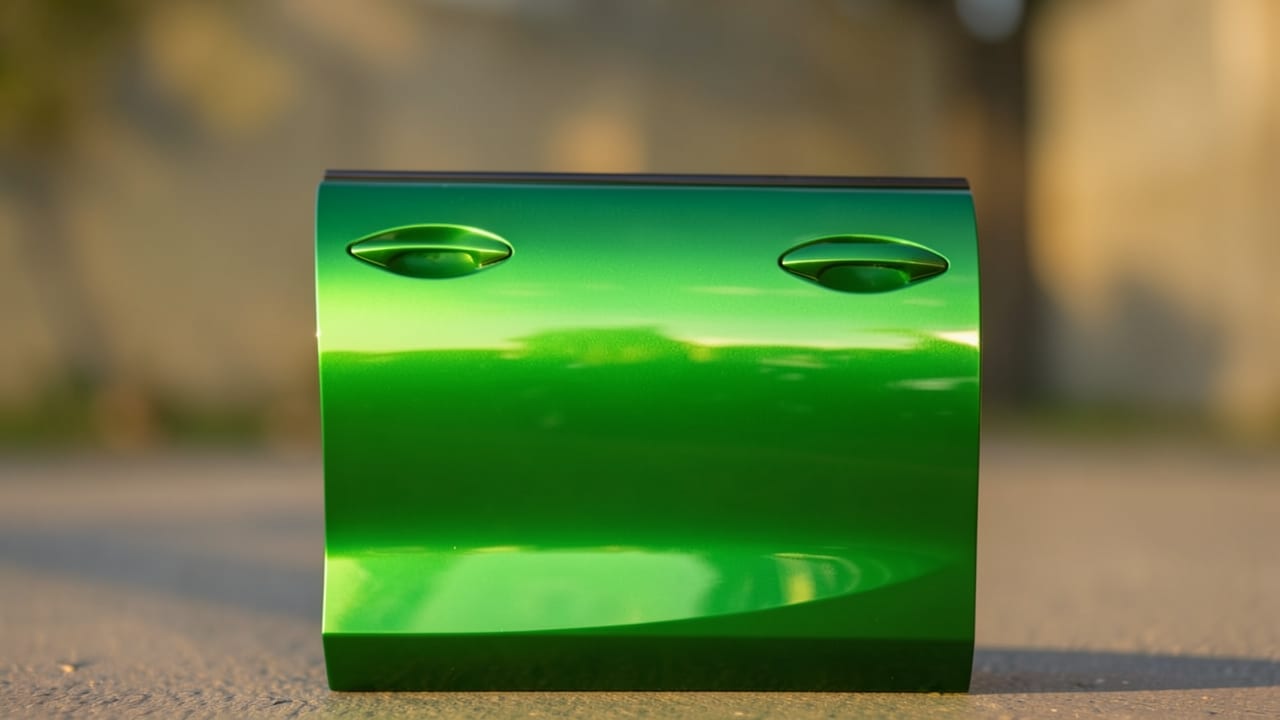
Spring Paint Rejuvenation
Ceramic coating and paint correction to restore and protect vehicle surfaces.
Spring brings the perfect time to refresh your vehicle’s finish in Denver’s variable climate. Spring Paint Rejuvenation combines deep cleaning, paint correction, and ceramic coating to restore a glossy, protected surface that resists UV damage and contaminants.
This service targets swirl marks, oxidation, and light scratches, leaving your car’s paint looking newer and more vibrant for years to come.
We also handle Iron Particle Decontamination and Pre-Winter Paint Sealant Application for Denver vehicles.
When to consider rejuvenation
Denver’s mix of dust, road salt, and UV exposure can dull even the best-maintained paint over time. If your vehicle’s finish feels less slick to the touch or water beads less sharply than before, it may be time for a refresh.
Ceramic coatings gradually fade, and signs like increased grime buildup or a loss of crisp reflections often appear before visible damage. Addressing these early helps the coating last longer.
Spring is ideal for this service because lower humidity and milder temperatures allow the coating to cure properly. Denver’s spring months also mean fewer contaminants like bird droppings or tree sap, which can interfere with the process.
Waiting too long risks locking in deeper imperfections or requiring more extensive correction later.
Signs Your Vehicle Needs Rejuvenation
- Water beads spread wider or sheet across panels instead of rolling off in tight droplets.
- Grime, bug splatter, or sap requires scrubbing to remove, rather than rinsing off easily.
- Paint feels less slick or reflective when touched, resembling ordinary paint more than a coated finish.
- Visible dullness or fading in reflections, even without obvious scratches or swirls.
What affects the process and results
The quality of prep work directly impacts how well a ceramic coating bonds and lasts. Skipping steps like iron removal or clay bar treatment can leave contaminants trapped under the coating, reducing its effectiveness.
The type of coating applied—whether SiO2-based or graphene-enhanced—also affects durability and gloss retention. Choosing a tier that matches your vehicle’s exposure to Denver’s elements helps balance cost and performance.
Spring weather in Denver is generally cooperative for this service, but unexpected rain or high winds can delay curing. The coating’s protection layer typically lasts 2–5 years, depending on maintenance and environmental factors. Consistent care, like using pH-neutral soap and avoiding automatic brush washes, extends that timeline.
| Factor | Impact on Service | How to Address It |
|---|---|---|
| Surface condition before coating | Swirls or oxidation locked in if not corrected first. | Opt for full paint correction if deep imperfections exist. |
| Coating tier (SiO2 vs. graphene) | Durability and gloss retention vary by material. | Choose based on your vehicle’s exposure to Denver’s UV and contaminants. |
| Weather during application | Rain or high winds can delay curing. | Schedule during dry, mild spring days. |
| Post-service maintenance | Incorrect products or methods shorten coating lifespan. | Use pH-neutral soap and hand-wash every 2–3 weeks. |
Maintenance after rejuvenation
A ceramic coating isn’t maintenance-free, but proper care keeps it performing well. Denver’s mix of dust, pollen, and road chemicals means regular washing and decontamination are critical. Using a two-bucket wash method with pH-neutral soap prevents stripping the coating’s hydrophobic layer.
Drying with a clean microfiber towel avoids mineral spotting, and periodic clay bar treatments remove bonded contaminants like rail dust.
Topping up with a spray sealant every few months refreshes the slickness and water-beading properties. This is especially useful in Denver’s spring, when pollen and construction debris can accumulate quickly. Avoiding automatic tunnel washes with spinning brushes also prevents fine scratches that undermine the coating’s protection.
After winter, rinse off road salt and de-icing chemicals promptly to prevent chemical etching. Denver’s altitude can make coatings cure slightly faster, so follow the recommended curing window closely—typically 7–14 days—before washing.
How spring paint rejuvenation works
This process restores and protects your vehicle’s finish in stages.
- 1Deep Cleaning
The vehicle is washed with a pH-neutral soap using the two-bucket method to remove all contaminants without damaging the coating. This step ensures a clean surface for correction and coating application.
- 2Paint Correction
Swirl marks, scratches, and oxidation are addressed using compounding and polishing. This step smooths the paint for better adhesion and a flawless finish before coating.
- 3Decontamination
A clay bar or chemical decontamination removes embedded dirt and iron particles. This helps the coating bond evenly and lasts longer by preventing trapped contaminants.
- 4Ceramic Coating Application
The coating is applied in thin, even layers and allowed to cure. The type of coating—SiO2 or graphene—is chosen based on durability needs for Denver’s climate.
- 5Final Inspection
The finish is inspected for uniformity and gloss. Any touch-ups are made, and maintenance instructions are provided to maximize the coating’s lifespan.
Frequently asked questions
Will this service fix deep scratches or rock chips?
Ceramic coatings add surface hardness against light swirls and UV damage but don’t repair deep scratches or rock chips. These require professional dent repair or paint blending. The coating helps protect against future minor damage, though.
How often should I wash my car after getting a coating?
Hand-washing every 2–3 weeks with pH-neutral soap and a clean microfiber towel is ideal. Avoid automatic brush washes, as they can introduce fine scratches. Denver’s dust and pollen may require more frequent rinsing in spring.
Can I drive my car right after the coating is applied?
The coating needs a curing period, typically 7–14 days, before washing or exposure to contaminants. Follow the provided instructions to ensure proper bonding and longevity.
Does the coating work on wheels, interior, or windows too?
Ceramic coatings are primarily applied to exterior paint. Wheels, interiors, and windows often require separate products or services. Ask about add-ons if you’re interested in protecting these areas as well.
Where Denver sits, and what the Census lists nearby
Denver sits in Colorado, and the closest places listed in the U.S. Census Gazetteer are Glendale (5 miles southwest), Four Square Mile (5.6 miles south), Derby (5.8 miles north), North Washington (6.1 miles northwest).
Within 25 miles of Denver the same source lists 82 distinct incorporated places and census-designated places.
Those figures matter for spring paint rejuvenation because they are straight-line distances between Census coordinate points: road mileage between Denver and Glendale runs longer than the 5 miles shown, which is why quotes for the same job differ between towns that look close together on a map.
Source: U.S. Census Bureau Gazetteer.
See Holly Hills, CO for more, or check out the full ceramic coating lineup we run in Denver at a glance for our complete lineup.
Ready to get started?
Talk to a local ceramic coating pro in Denver — get a written quote.
Other Ceramic Coating Services in Denver
Iron Particle Decontamination in Denver, CO
Removal of embedded iron particles from automotive paint using chemical solutions.
Learn More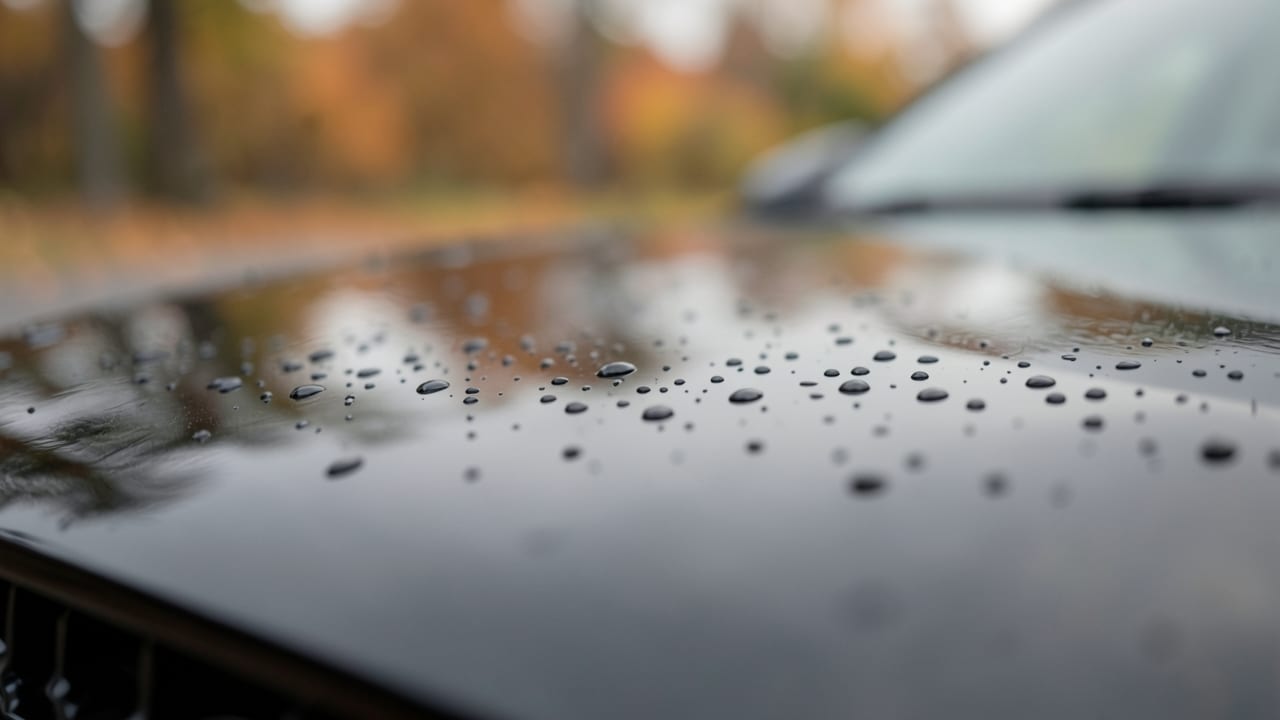
Pre-Winter Paint Sealant Application in Denver, CO
Professional application of ceramic-based sealant to protect vehicle paint before winter.
Learn More
Annual Ceramic Maintenance Wash in Denver, CO
Professional cleaning and reapplication of ceramic coatings to preserve paint protection.
Learn More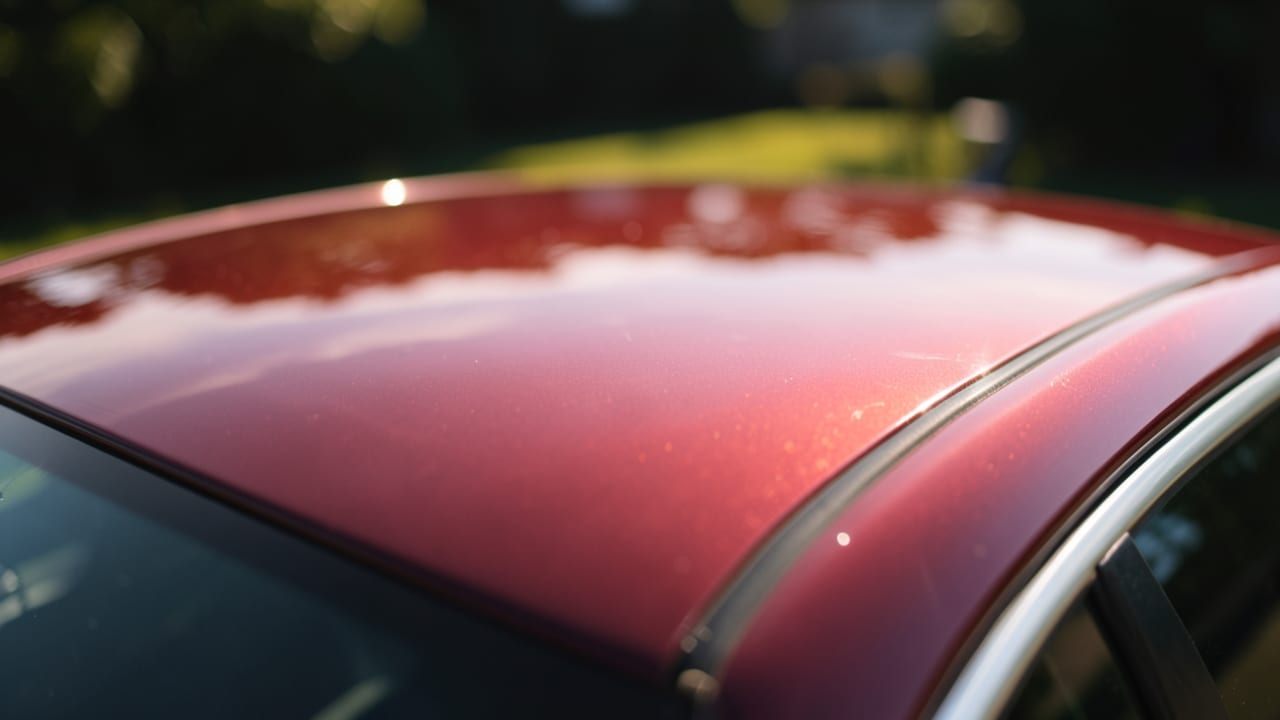
Mid-Summer UV Protection Top-Up in Denver, CO
Ceramic coating reapplication to restore UV protection and gloss on vehicle paint.
Learn More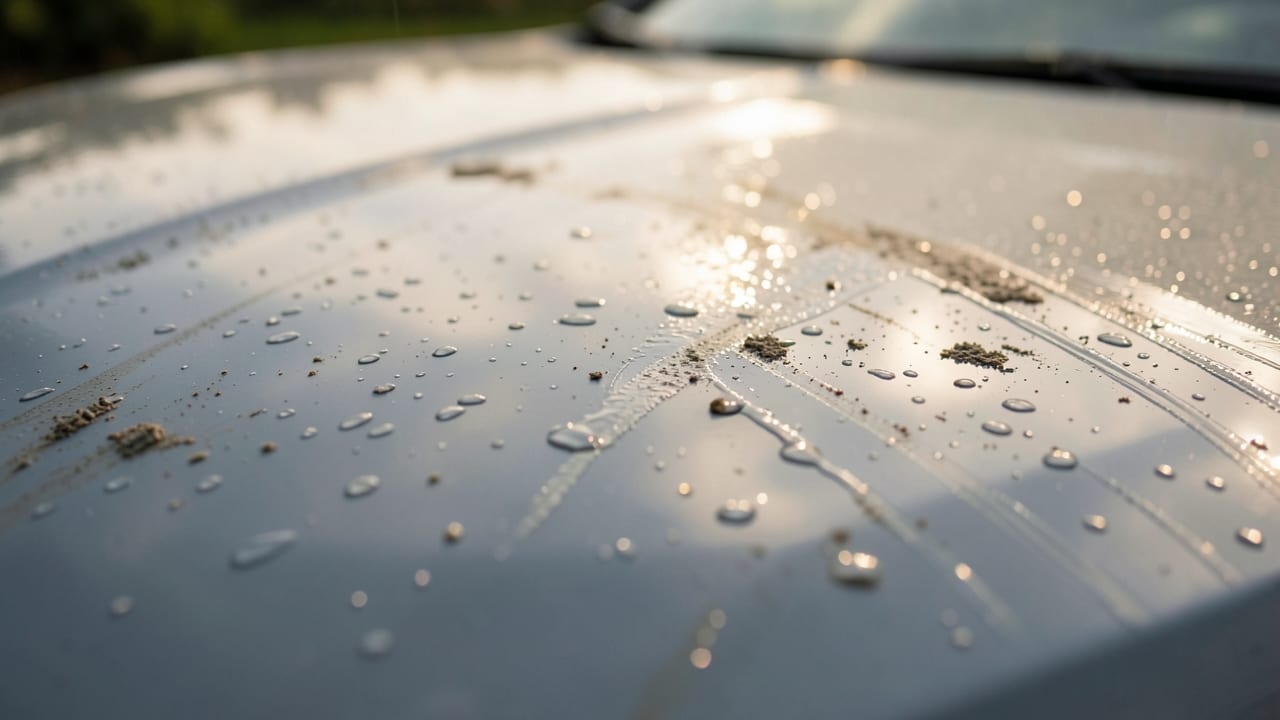
Post-Storm Contaminant Removal in Denver, CO
Removal of contaminants from vehicle paint after storms, followed by ceramic coating application.
Learn More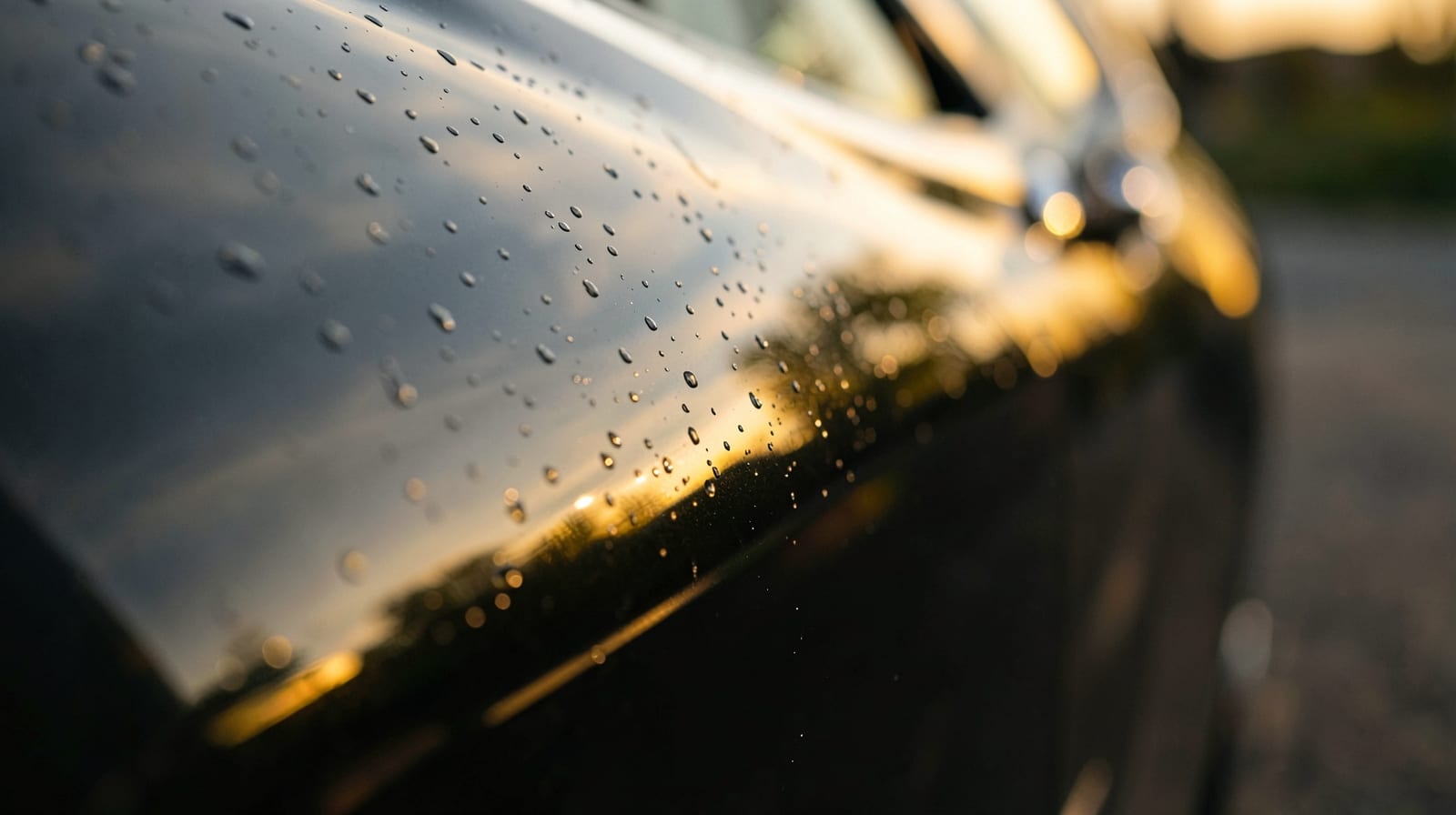
Full-Vehicle Ceramic Coating in Denver, CO
Professional nano-ceramic coating for vehicles in Denver, CO — a hard, semi-permanent SiO2 layer for deep gloss, strong hydrophobic protection, and easier washing.
Learn MoreCommon Questions About Ceramic Coating in Denver
Everything you need to know about ceramic coating services in Denver
How much does Spring Paint Rejuvenation typically cost in Denver, CO?
Can ceramic coating prevent rock chips on mountain roads around Denver, CO?
What does proper paint prep before a ceramic coating actually involve?
How should a coated vehicle be washed after the coating is applied?
Will a ceramic coating stop rock chips or scratches?
What's the actual difference between wax, paint sealant, and ceramic coating?
Need Ceramic Coating in Denver?
Get a written quote from our Denver crew.
⏰ We answer your call • Serving all of Denver and surrounding areas