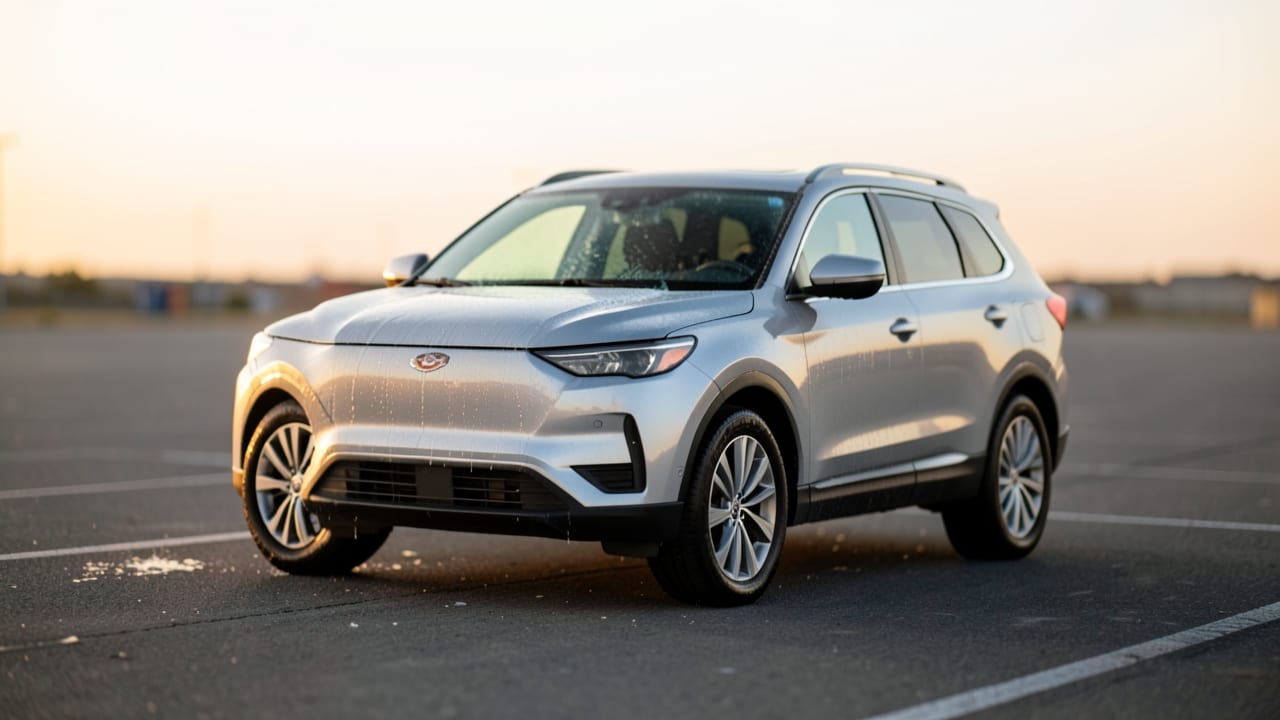
Annual Ceramic Maintenance Wash
Professional cleaning and reapplication of ceramic coatings to preserve paint protection.
In Denver’s variable climate—from dry mountain air to road salt and industrial fallout—an Annual Ceramic Maintenance Wash helps preserve your vehicle’s ceramic coating by restoring its hydrophobic properties, gloss, and resistance to environmental damage.
Unlike a standard wash, this service uses specialized techniques and products to maintain the coating’s performance without stripping its protective layers or introducing fine scratches.
We also handle Undercoating Rustproofing and Convertible Top Protection for Denver vehicles.
Why your coating needs maintenance
Ceramic coatings don’t last forever, even if they’re applied properly. Over time, road grime, mineral deposits, and UV exposure gradually reduce water beading, gloss, and slickness.
Unlike paint, a coating’s wear shows up as subtle changes—water sheeting instead of beading, a duller reflection, or a loss of that distinctive slick feel when you run your hand across the panel. These are signs the hydrophobic layer is thinning, and maintenance helps restore it.
Denver’s mix of dry air, road salt, and industrial dust accelerates this process. Without regular upkeep, contaminants bond to the coating’s surface, creating a rough texture that traps dirt and reduces protection.
A maintenance wash removes these embedded particles, refreshes the coating’s slickness with a light sealant, and extends its lifespan—often by years—compared to skipping care.
Signs Your Coating Needs Maintenance
- Water no longer beads into tight droplets but spreads or sheets across the panel during a wash.
- A clean, dry hand feels less slick on the paint—more like ordinary paint than a fresh coating.
- Bug splatter, tree sap, or road grime now requires scrubbing to remove, instead of rinsing off easily.
- The panel’s reflection looks slightly duller or less crisp under direct light, without visible scratches.
What affects your maintenance schedule
The ideal interval for a ceramic maintenance wash is every 2–3 weeks, but Denver’s driving conditions can shorten that. Road salt in winter, industrial fallout near highways, or frequent off-road exposure may require more frequent care.
Skipping washes or stretching the interval too long lets contaminants build up, making even a thorough wash less effective at removing embedded grit without risking fine scratches.
Consistency matters more than occasional deep cleans. A single thorough wash after months of neglect won’t undo the buildup—it may even introduce scratches from trapped contaminants. Using the right products (pH-neutral soap, microfiber tools) and avoiding automatic brush washes further protects the coating between maintenance sessions.
| Factor | Impact on Maintenance Needs | Denver-Specific Example |
|---|---|---|
| Wash Frequency | More frequent washes (every 2–3 weeks) reduce buildup; less frequent (monthly+) risks embedded contaminants. | Winter road salt or summer dust storms near I-70 may require biweekly washes. |
| Product Choice | High-alkaline or wax-stripping soaps accelerate coating wear; pH-neutral products preserve gloss and slickness. | Avoiding ‘wax & grease remover’ soaps extends the coating’s hydrophobic life. |
| Drying Method | Air-drying leaves mineral spots; microfiber or drying aids prevent water-spotting. | Denver’s hard water deposits spots faster on glossy coatings than on bare paint. |
| Decontamination | Skipping clay or chemical decon every few months lets bonded contaminants roughen the surface. | Industrial fallout near Denver International Airport builds up faster than in rural areas. |
What’s included in a maintenance wash
This service focuses on restoring the coating’s performance, not reapplying it. It includes a thorough decontamination to remove bonded contaminants, a gentle wash with pH-neutral soap, and a light reapplication of a spray sealant or booster to refresh the slickness.
Unlike a full coating, no curing time is required—you can drive away immediately. The goal is to maintain the existing coating’s properties, not replace them.
Tools and products are chosen to avoid damage. Microfiber mitts, two-bucket washing (to prevent grit redeposition), and avoiding brush washes minimize scratches. The sealant used is designed to top up the coating’s hydrophobic layer without needing a full cure, making it safe for regular use.
How an annual ceramic maintenance wash works
- 1Decontamination
The vehicle undergoes a light clay or chemical decontamination to remove bonded contaminants like industrial fallout or rail dust. This step smooths the coating’s surface, preventing embedded particles from causing scratches during washing.
- 2Two-Bucket Wash
A pH-neutral wash soap formulated for coated paint is used with the two-bucket method—one bucket for soapy water, another for rinsing the mitt—to avoid redepositing grit. Microfiber mitts are used to minimize scratching.
- 3Drying
The vehicle is dried with a clean microfiber towel or drying aid to prevent water spots. Letting water air-dry on a coated surface can leave mineral deposits that dull the finish over time.
- 4Sealant Top-Up
A spray sealant or coating booster is applied to refresh the hydrophobic layer. This step doesn’t require curing and helps maintain water beading and slickness between full maintenance sessions.
Frequently asked questions
How do I know if my coating needs maintenance?
Watch for water beading into smaller, wider sheets instead of tight droplets, or a loss of the slick feel when you touch the paint. If road grime now requires scrubbing instead of rinsing off, the coating’s self-cleaning properties are fading.
Can I use automatic car washes with brushes?
No. The spinning brushes in most tunnel washes pick up grit from other vehicles and drag it across your coating, causing fine scratches. Hand washing or touchless washes are safer for maintaining the finish.
What soap should I use between maintenance washes?
Use a pH-neutral car soap designed for coated surfaces. High-alkaline or wax-stripping soaps gradually break down the coating’s chemistry, reducing its lifespan.
Does this service fix swirl marks or scratches?
No. A maintenance wash restores the coating’s performance but doesn’t correct existing imperfections like swirls or light scratches. Those require paint correction before coating.
Where Denver sits, and what the Census lists nearby
Denver sits in Colorado, and the closest places listed in the U.S. Census Gazetteer are Glendale (5 miles southwest), Four Square Mile (5.6 miles south), Derby (5.8 miles north), North Washington (6.1 miles northwest). Within 25 miles of Denver the same source lists 82 distinct incorporated places and census-designated places.
Those figures matter for annual ceramic maintenance wash because they are straight-line distances between Census coordinate points: road mileage between Denver and Glendale runs longer than the 5 miles shown, which is why quotes for the same job differ between towns that look close together on a map.
Source: U.S. Census Bureau Gazetteer.
See Sheridan, CO for more, or discover everything Denver vehicle owners can book with us by neighborhood for our complete lineup.
Ready to get started?
Talk to a local ceramic coating pro in Denver — get a written quote.
Other Ceramic Coating Services in Denver
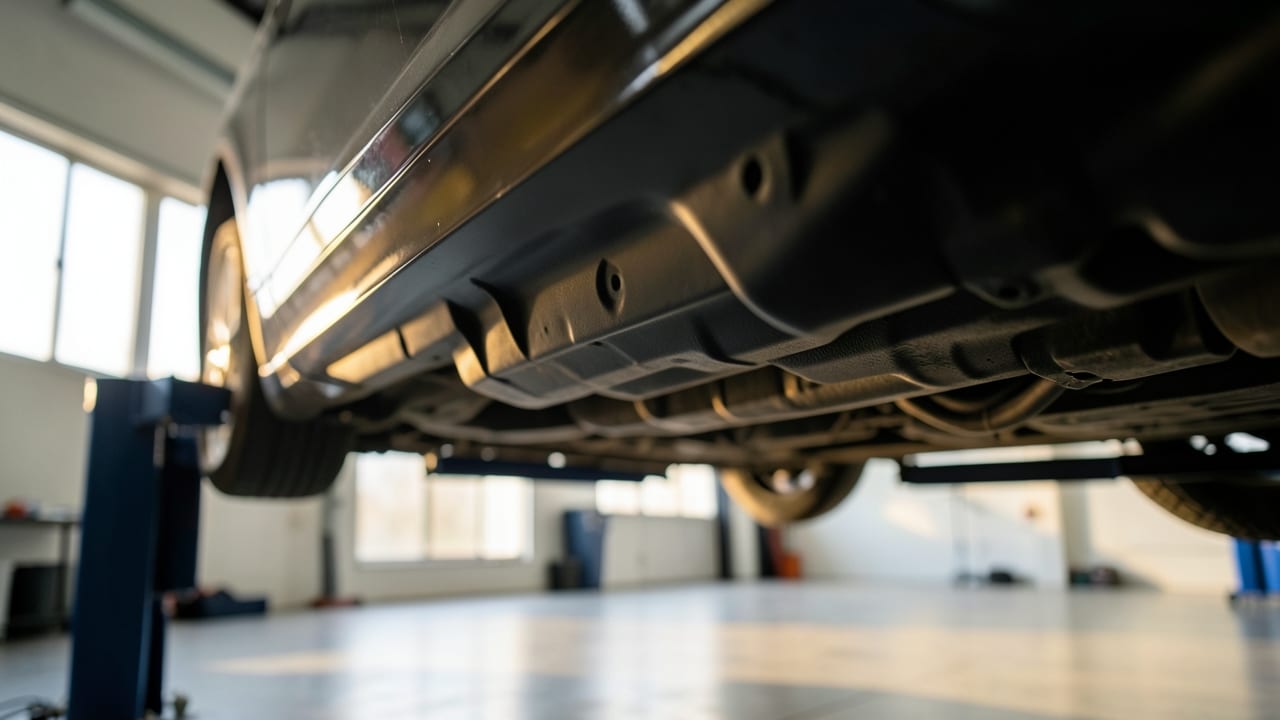
Undercoating Rustproofing in Denver, CO
Ceramic undercoating applied to vehicle chassis to prevent rust and corrosion.
Learn More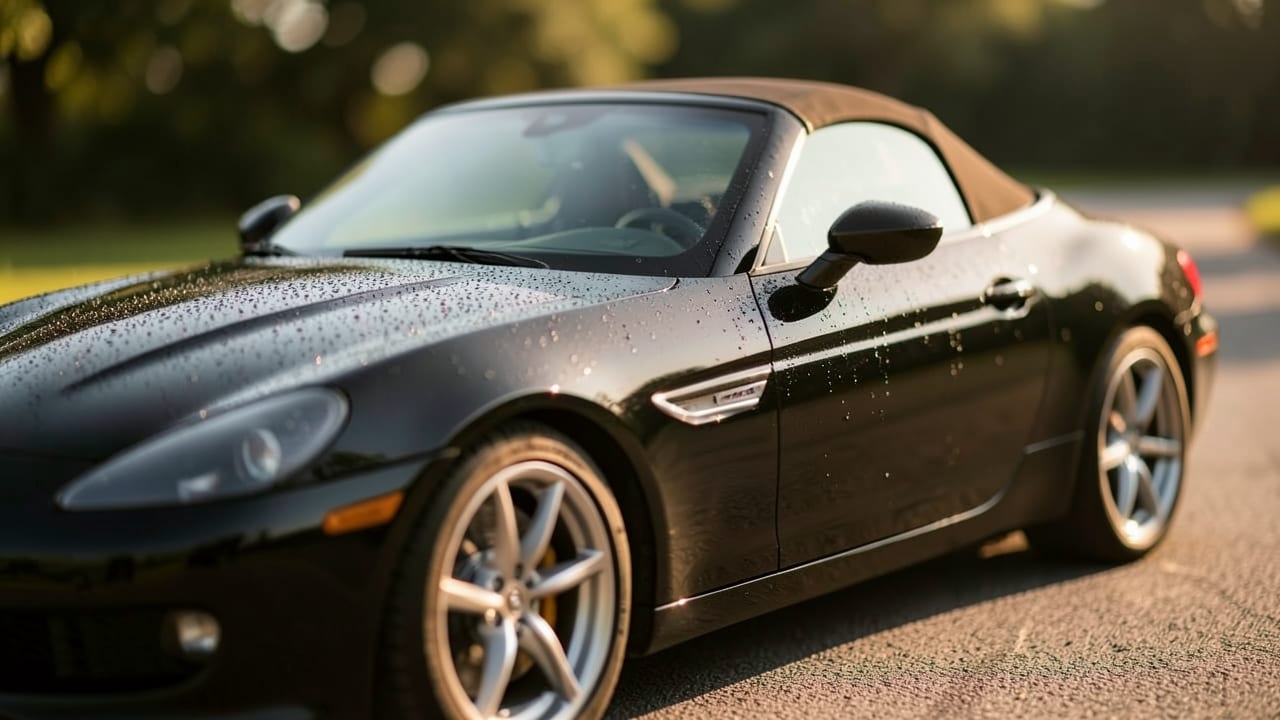
Convertible Top Protection in Denver, CO
Ceramic coating and protective treatments applied to convertible tops for durability and UV resistance.
Learn More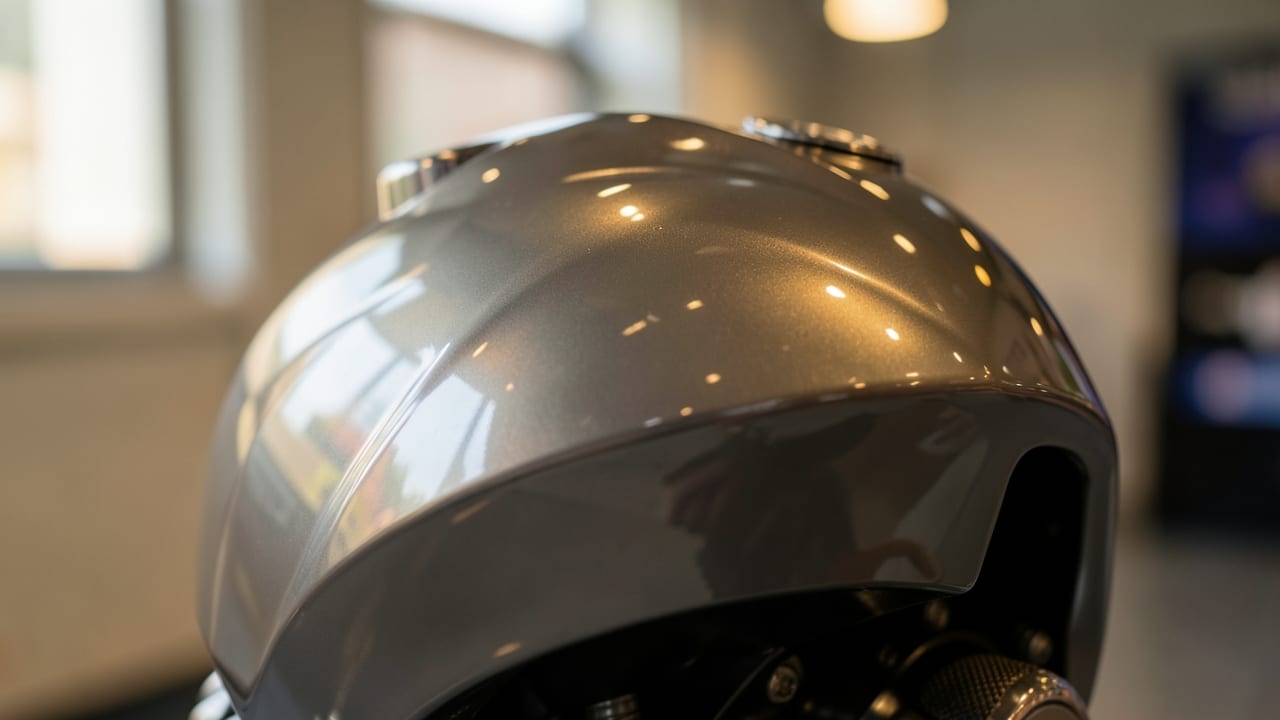
Motorcycle Ceramic Coating in Denver, CO
Professional application of ceramic coating to protect motorcycle paint and surfaces from damage.
Learn More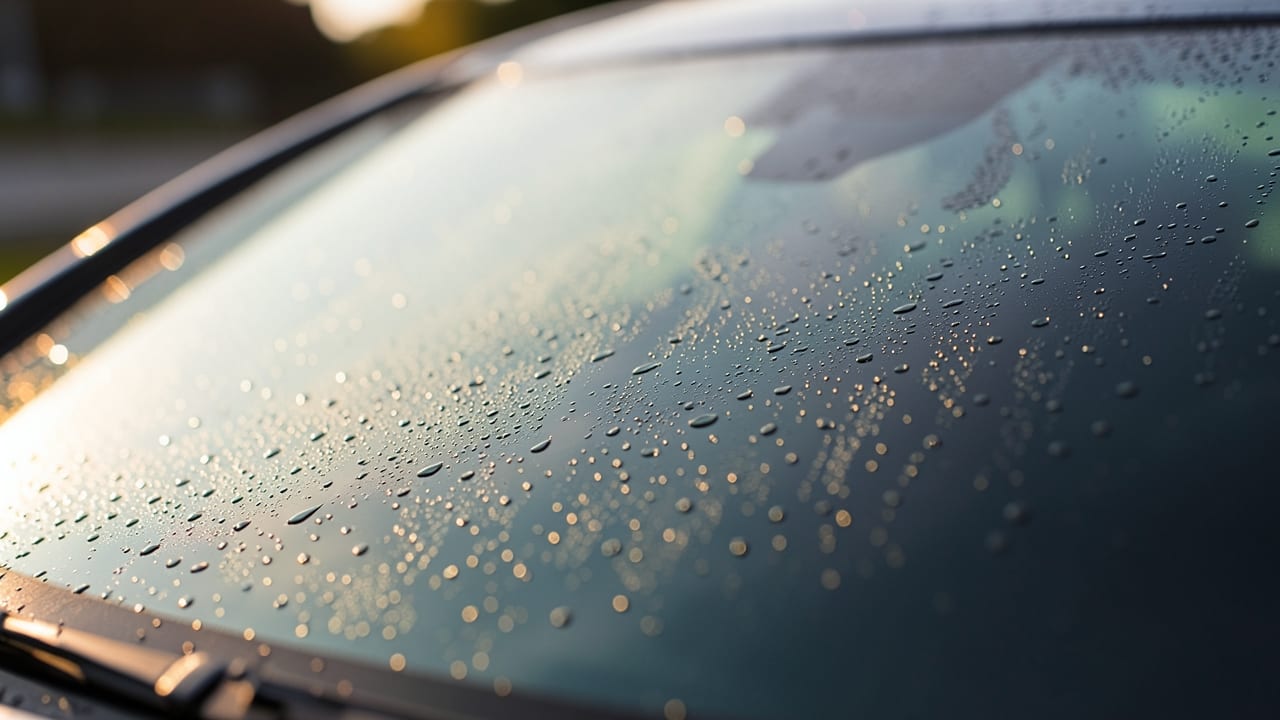
Glass Surface Hydrophobic Treatment in Denver, CO
Applying a ceramic coating to glass surfaces for water repellency and easier cleaning.
Learn More
Acid Rain Etch Removal in Denver, CO
Professional removal of acid rain etching from vehicle surfaces using ceramic coatings and paint correction.
Learn More
Bird Dropping Removal in Denver, CO
Professional removal of bird droppings to prevent paint damage and maintain ceramic coatings.
Learn MoreCommon Questions About Ceramic Coating in Denver
Everything you need to know about ceramic coating services in Denver
How much does Annual Ceramic Maintenance Wash typically cost in Denver, CO?
Can ceramic coating prevent rock chips on mountain roads around Denver, CO?
Is ceramic coating ever covered by comprehensive auto insurance?
Can ceramic coating be applied over a vinyl wrap or matte paint?
What does proper paint prep before a ceramic coating actually involve?
How should a coated vehicle be washed after the coating is applied?
Need Ceramic Coating in Denver?
Get a written quote from our Denver crew.
⏰ We answer your call • Serving all of Denver and surrounding areas