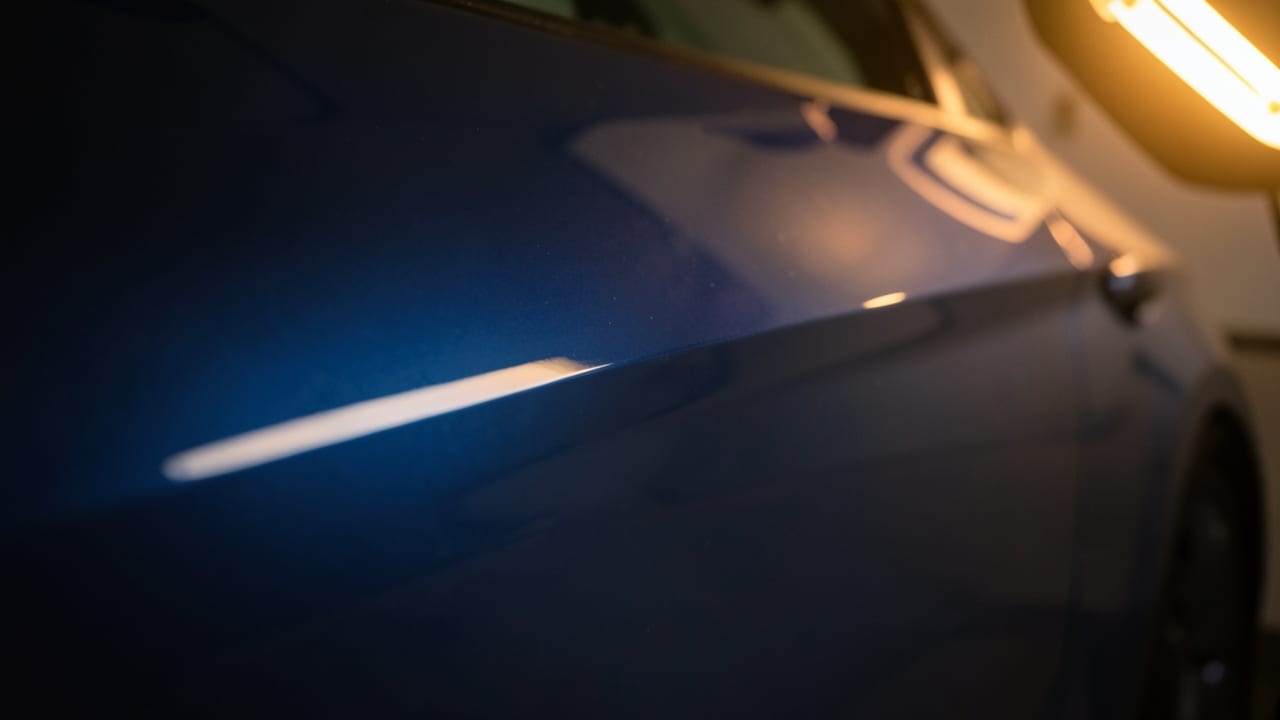
Clay Bar Paint Decontamination
Clay bar paint decontamination in Denver, CO removes bonded surface contaminants a wash alone can't touch, before coating or correction.
Clay bar paint decontamination in Denver removes bonded contaminants like rail dust and industrial fallout from your vehicle’s clear coat, restoring a smooth finish. This essential prep step ensures proper adhesion for ceramic coatings and paint correction, preventing swirl marks and surface damage.
Why Denver vehicles need clay bar decontamination
Denver’s urban and industrial environment exposes vehicles to rail dust, overspray, and tree sap residue that bond to the clear coat. A standard wash removes only surface dirt, leaving embedded contaminants that create a rough, gritty texture on freshly washed paint.
We also handle Headlight Restoration & Coating and Fleet & Commercial Vehicle Coating for Denver vehicles.
These bonded particles are invisible to the naked eye but can be felt by running a hand over the surface. Without removal, they interfere with paint correction and coating adhesion, leading to subpar results and even new swirl marks.
Signs Your Vehicle Needs Clay Bar Decontamination
- Rough or gritty texture on freshly washed paint
- Visible specks or dots that don’t wash off
- Frequent exposure to Denver’s rail lines or industrial areas
- Tree sap or overspray residue on the surface
The foundation for ceramic coatings and paint correction
Clay bar decontamination is never a standalone cosmetic service. It’s the critical first step before any paint correction or ceramic coating application, ensuring a flawless surface for optimal results.
Skipping this step traps contaminants under buffing pads or coatings, leading to fresh swirl marks or poor adhesion. For Denver vehicles, it’s the difference between a long-lasting finish and a short-lived, lackluster result.
| Service Option | Includes Clay Bar Decontamination? |
|---|---|
| Standalone Decontamination | Yes |
| Paint Correction Package | Yes |
| Ceramic Coating Package | Yes |
| Basic Wash | No |
How clay bar paint decontamination works
This process removes bonded contaminants safely and effectively.
- 1Wash the Vehicle
Begin with a thorough wash to remove loose dirt and grime from the surface.
- 2Lubricate the Paint
Apply a clay lubricant or detailing spray to the paint to allow the clay bar to glide smoothly without scratching.
- 3Clay Bar Application
Gently rub the clay bar or clay-infused mitt over the lubricated surface to lift bonded contaminants out of the clear coat.
- 4Inspect and Repeat
Wipe the surface with a microfiber towel and inspect for remaining contaminants. Repeat as needed until the paint feels glass-smooth.
Frequently asked questions
Can I do clay bar decontamination myself?
Yes, but it requires the right tools, technique, and patience. Improper use can cause scratches or marring. For best results, especially before a ceramic coating, professional service is recommended.
How often should I get clay bar decontamination in Denver?
For most vehicles, once or twice a year is sufficient. If your car is frequently exposed to rail dust or industrial areas, more frequent decontamination may be needed.
Will clay bar decontamination remove scratches?
No, it only removes bonded contaminants. For scratches or swirl marks, paint correction is required after decontamination.
Is this service included in a ceramic coating package?
Yes, clay bar decontamination is always included as part of the prep work for ceramic coatings to ensure proper adhesion and a flawless finish.
Where Denver sits, and what the Census lists nearby
Denver sits in Colorado, and the closest places listed in the U.S. Census Gazetteer are Glendale (5 miles southwest), Four Square Mile (5.6 miles south), Derby (5.8 miles north), North Washington (6.1 miles northwest). Within 25 miles of Denver the same source lists 82 distinct incorporated places and census-designated places.
Those figures matter for clay bar paint decontamination because they are straight-line distances between Census coordinate points: road mileage between Denver and Glendale runs longer than the 5 miles shown, which is why quotes for the same job differ between towns that look close together on a map.
Source: U.S. Census Bureau Gazetteer.
See Westminster, CO for more, or discover our full crew's Denver services at a glance for our complete lineup.
Ready to get started?
Talk to a local ceramic coating pro in Denver — get a written quote.
Other Ceramic Coating Services in Denver
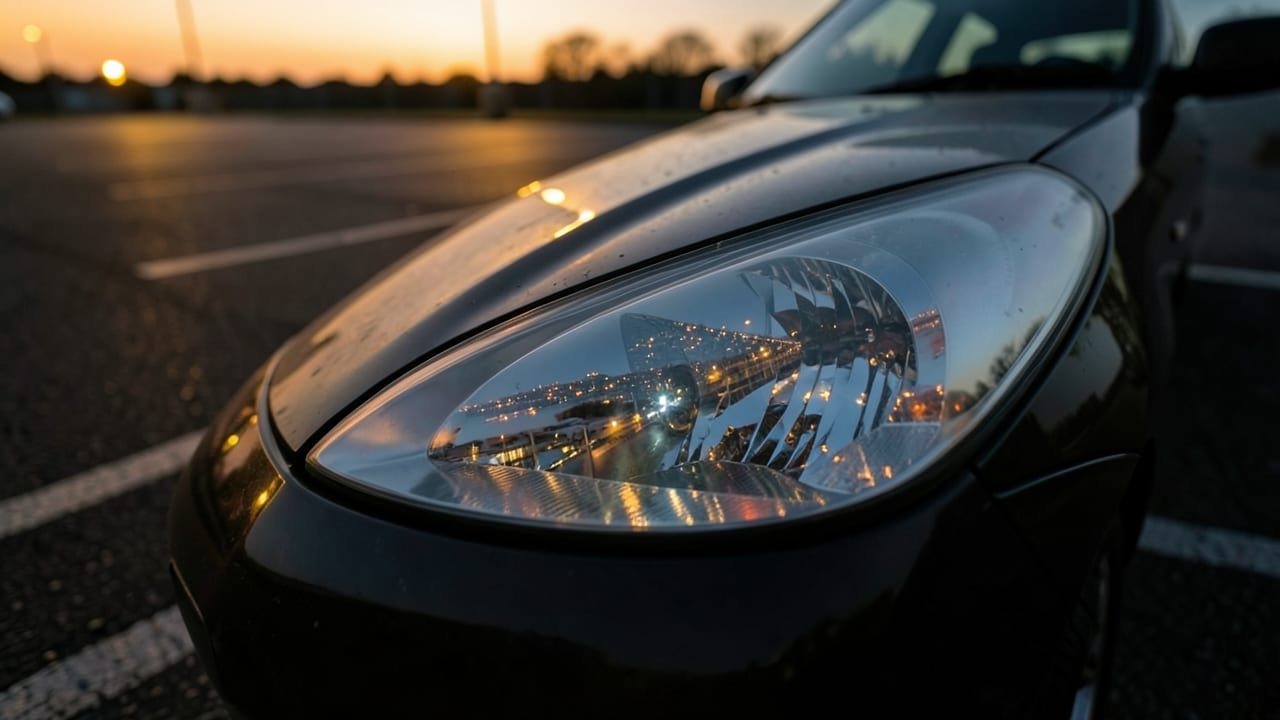
Headlight Restoration & Coating in Denver, CO
Headlight restoration and UV-protective coating in Denver, CO — restores clarity and nighttime visibility without replacing the assembly.
Learn More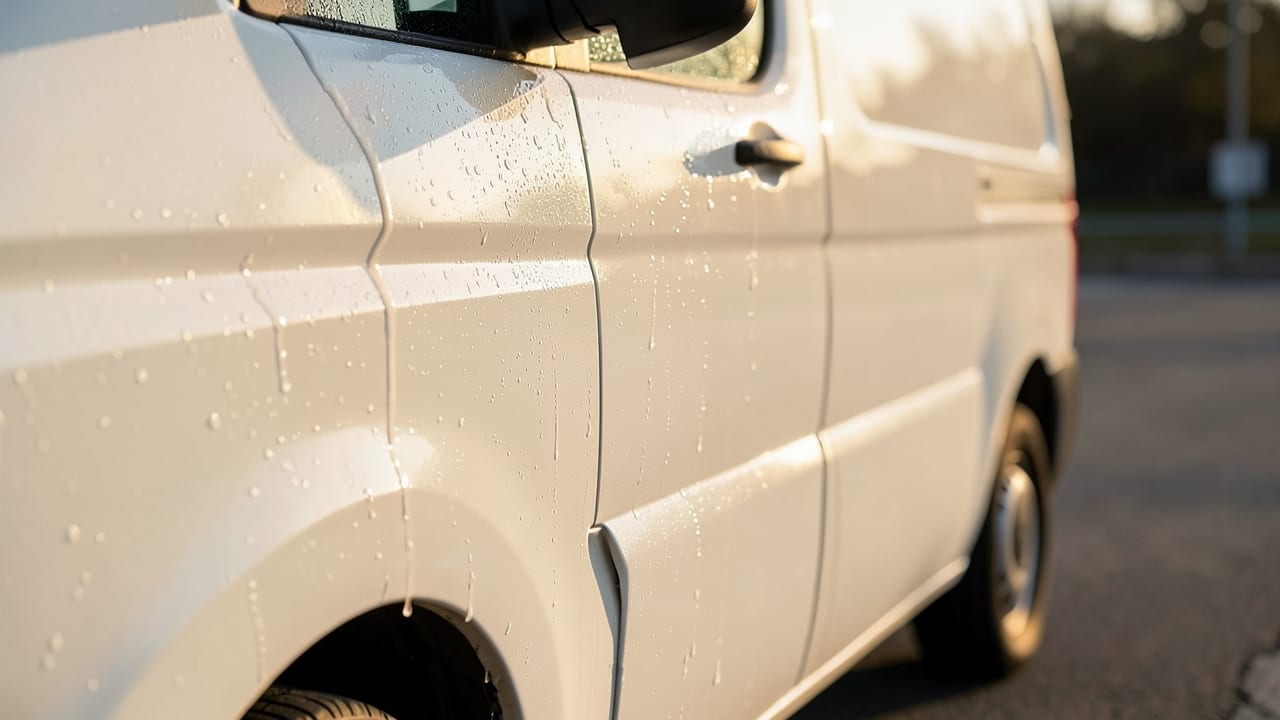
Fleet & Commercial Vehicle Coating in Denver, CO
Ceramic coating programs for fleets and commercial vehicles in Denver, CO — faster washing, longer-lasting branded wraps, and protected resale value.
Learn More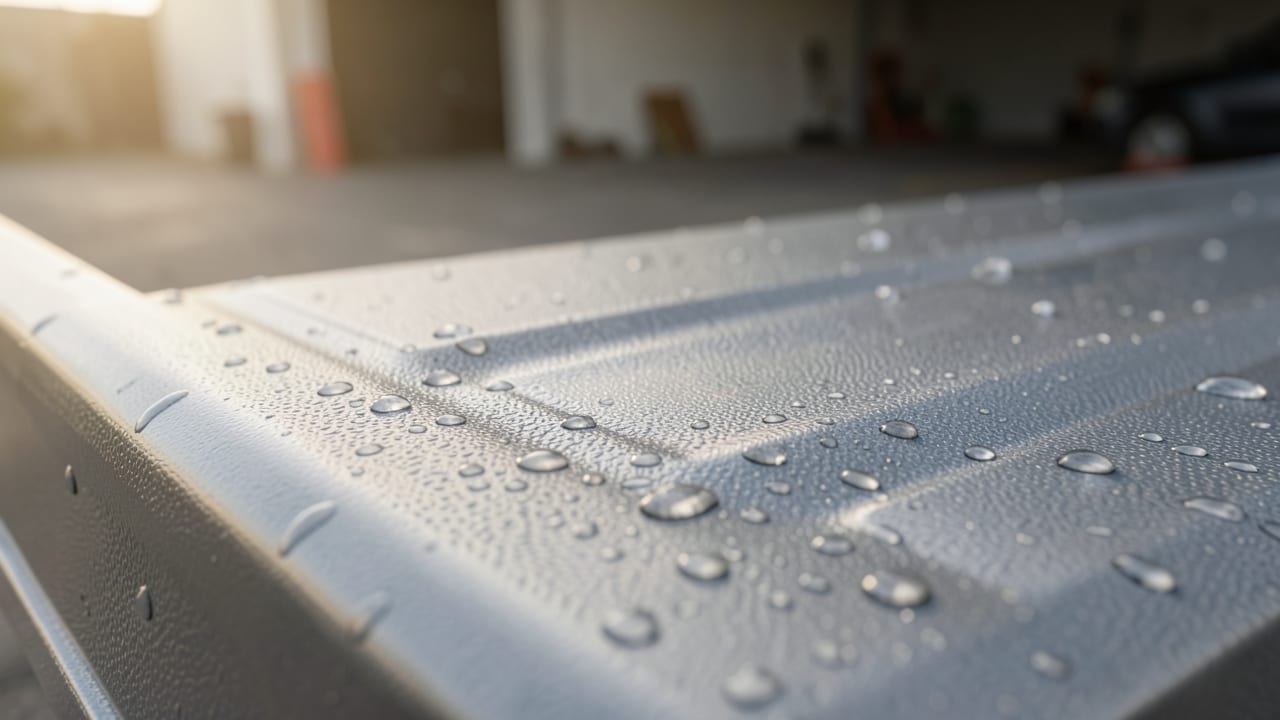
Graphene Coating in Denver, CO
Graphene coating in Denver, CO — a premium ceramic alternative with better heat rejection and hydrophobic durability.
Learn More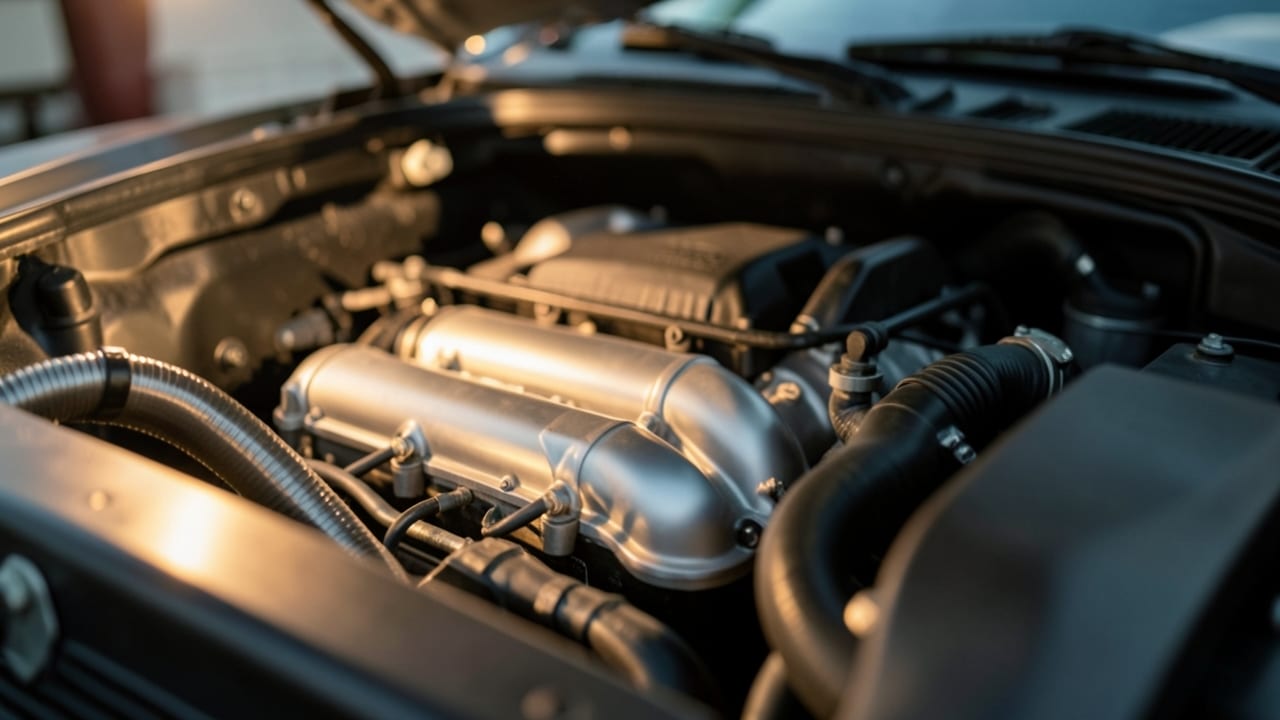
Engine Bay Detailing in Denver, CO
Engine bay detailing in Denver, CO — safe degreasing and dressing of the engine compartment without risking electrical components.
Learn More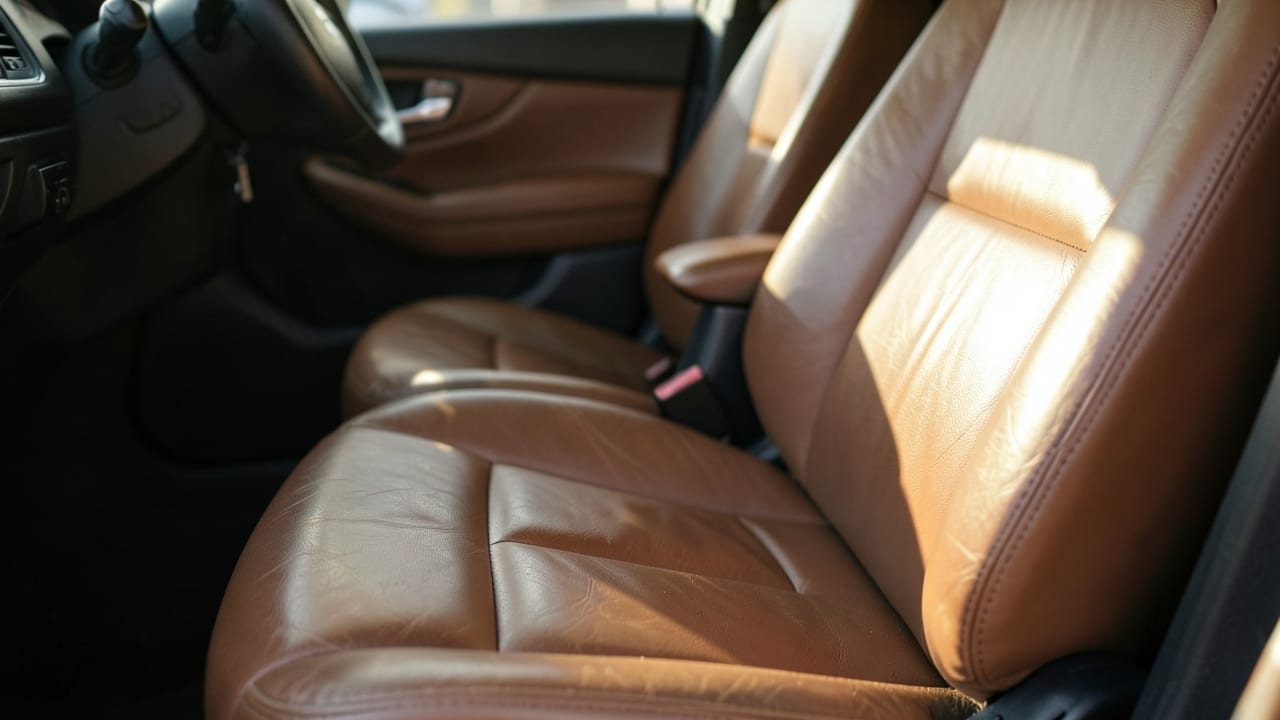
Leather Conditioning in Denver, CO
Professional application of ceramic coatings to protect and condition leather surfaces.
Learn More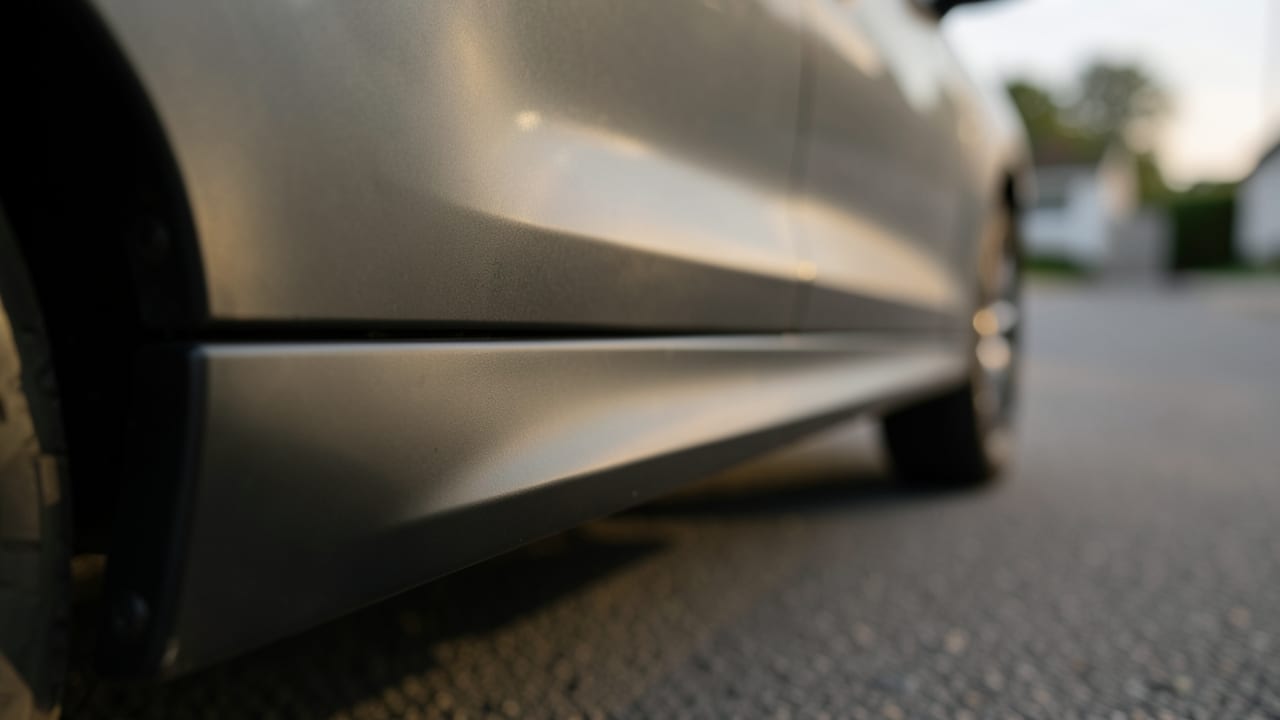
Plastic Trim Restoration in Denver, CO
Restoring faded or discolored plastic trim with ceramic coatings or protective treatments.
Learn MoreCommon Questions About Ceramic Coating in Denver
Everything you need to know about ceramic coating services in Denver
How much does Clay Bar Paint Decontamination typically cost in Denver, CO?
Can ceramic coating prevent rock chips on mountain roads around Denver, CO?
What's the actual difference between wax, paint sealant, and ceramic coating?
Can ceramic coating be applied at home instead of by a detailing shop?
How long does a ceramic coating actually last in real-world use?
What is the difference between graphene and SiO2 ceramic coatings?
Need Ceramic Coating in Denver?
Get a written quote from our Denver crew.
⏰ We answer your call • Serving all of Denver and surrounding areas