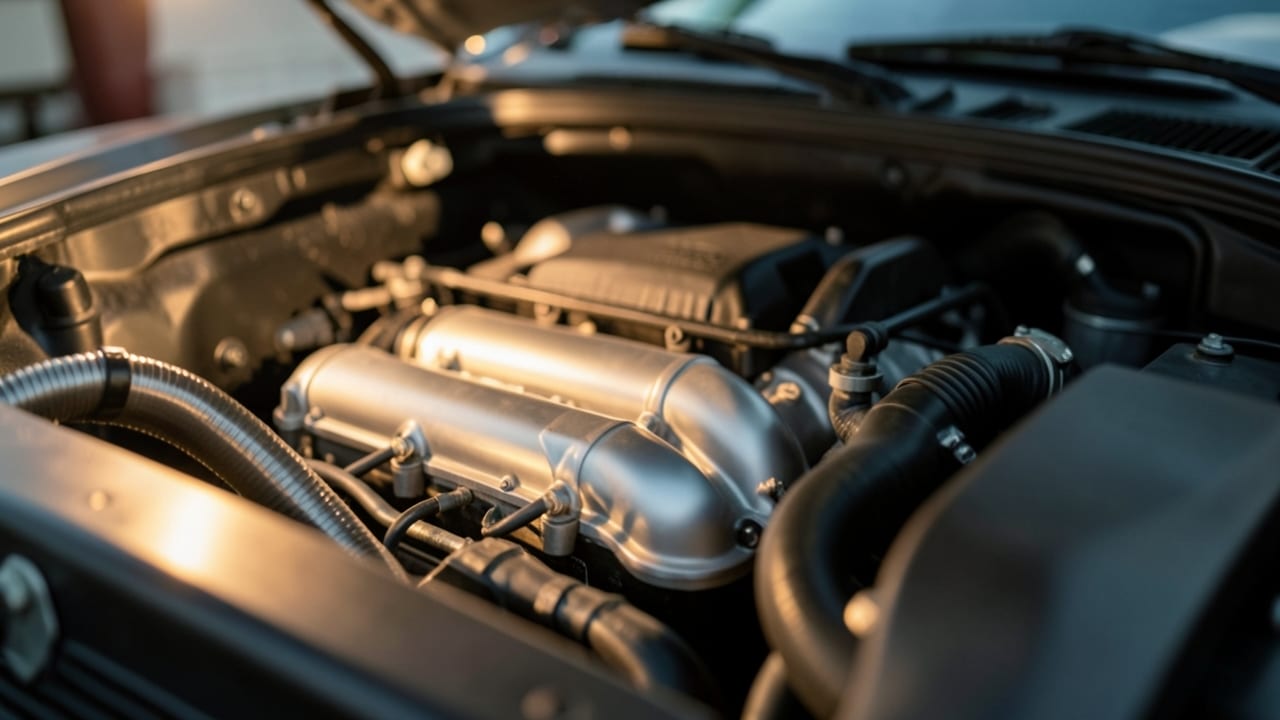
Engine Bay Detailing
Engine bay detailing in Denver, CO — safe degreasing and dressing of the engine compartment without risking electrical components.
In Denver, CO, engine bay detailing removes years of grease, grime, and oxidation from your vehicle’s engine compartment safely, without risking damage to electrical connectors, sensors, or open intakes. The result is a cleaner, more functional engine bay that makes leaks easier to spot.
Why Denver drivers need engine bay detailing
Denver’s climate and road conditions accelerate the buildup of grease, salt, and debris in your engine bay. Over time, this grime can obscure leaks, reduce component visibility, and even degrade rubber and plastic parts.
We also handle Headlight Restoration & Coating and Fleet & Commercial Vehicle Coating for Denver vehicles.
A professional engine bay detailing service restores clarity and function, ensuring your vehicle’s engine compartment looks and performs like new. It’s a practical upgrade that also enhances resale value.
Signs Your Engine Bay Needs Detailing
- Thick layers of grease or oil on the engine block or hood underside
- Dull, gray, or faded rubber hoses and plastic covers
- Difficulty spotting new leaks during routine checks
- Visible dirt or road grime caked around electrical connectors
What’s included in engine bay detailing?
Our service begins with a thorough degreasing of the engine block, surrounding components, and the underside of the hood. We use specialized cleaners safe for plastic, rubber, and painted metal surfaces.
After cleaning, we dress rubber hoses and plastic covers to restore their factory-fresh appearance. The process avoids direct water exposure to sensitive areas like electrical connectors and open intakes.
| Service Step | What It Does |
|---|---|
| Degreasing | Removes built-up grease, oil, and road grime from all surfaces |
| Cleaning | Targets the engine block, hood underside, and surrounding components |
| Dressing | Restores shine to rubber hoses and plastic covers |
| Protection | Applies safe solutions to prevent future oxidation and grime buildup |
Practical benefits beyond appearance
A clean engine bay isn’t just about looks. It makes it easier to spot new oil or coolant leaks during routine checks, as they won’t blend into existing grime. This early detection can prevent costly repairs down the line.
The service is often added to full vehicle detailing or ceramic coating appointments, as the car is already in for service. Call us for a quote tailored to your vehicle’s needs.
Schedule engine bay detailing before winter to remove salt and grime that can accelerate corrosion in Denver’s harsh conditions.
How engine bay detailing works
Our process is designed to clean thoroughly while protecting sensitive components.
- 1Prep and Cover
Sensitive areas like electrical connectors, sensors, and the air intake are covered or worked around to prevent water or cleaner damage.
- 2Degrease
A specialized degreaser is applied to the engine block, hood underside, and surrounding components to break down grime and oil.
- 3Clean and Rinse
Surfaces are gently cleaned with safe solutions and tools, avoiding high-pressure water near sensitive areas.
- 4Dress and Protect
Rubber hoses and plastic covers are dressed to restore their appearance, and protective solutions are applied to prevent future buildup.
Frequently asked questions
Is engine bay detailing safe for my car’s electronics?
Yes. We avoid direct water exposure to electrical connectors, sensors, and open intakes, using safe cleaners and careful techniques to protect all components.
How long does engine bay detailing take?
The service typically takes 1-2 hours, depending on the level of grime and the vehicle’s size. It’s often added to a full detail or coating appointment for convenience.
Will this help me spot leaks sooner?
Absolutely. A clean engine bay makes new oil or coolant leaks immediately visible, so you can address them before they cause serious damage.
Do you offer this as a standalone service?
Yes, but it’s frequently added to a full detail or ceramic coating appointment since the vehicle is already in for service. Call for a quote.
Where Denver sits, and what the Census lists nearby
Denver sits in Colorado, and the closest places listed in the U.S. Census Gazetteer are Glendale (5 miles southwest), Four Square Mile (5.6 miles south), Derby (5.8 miles north), North Washington (6.1 miles northwest).
Within 25 miles of Denver the same source lists 82 distinct incorporated places and census-designated places.
Those figures matter for engine bay detailing because they are straight-line distances between Census coordinate points: road mileage between Denver and Glendale runs longer than the 5 miles shown, which is why quotes for the same job differ between towns that look close together on a map.
Source: U.S. Census Bureau Gazetteer.
See Lakewood, CO for more, or explore what we cover for Denver vehicles by service type for our complete lineup.
Ready to get started?
Talk to a local ceramic coating pro in Denver — get a written quote.
Other Ceramic Coating Services in Denver
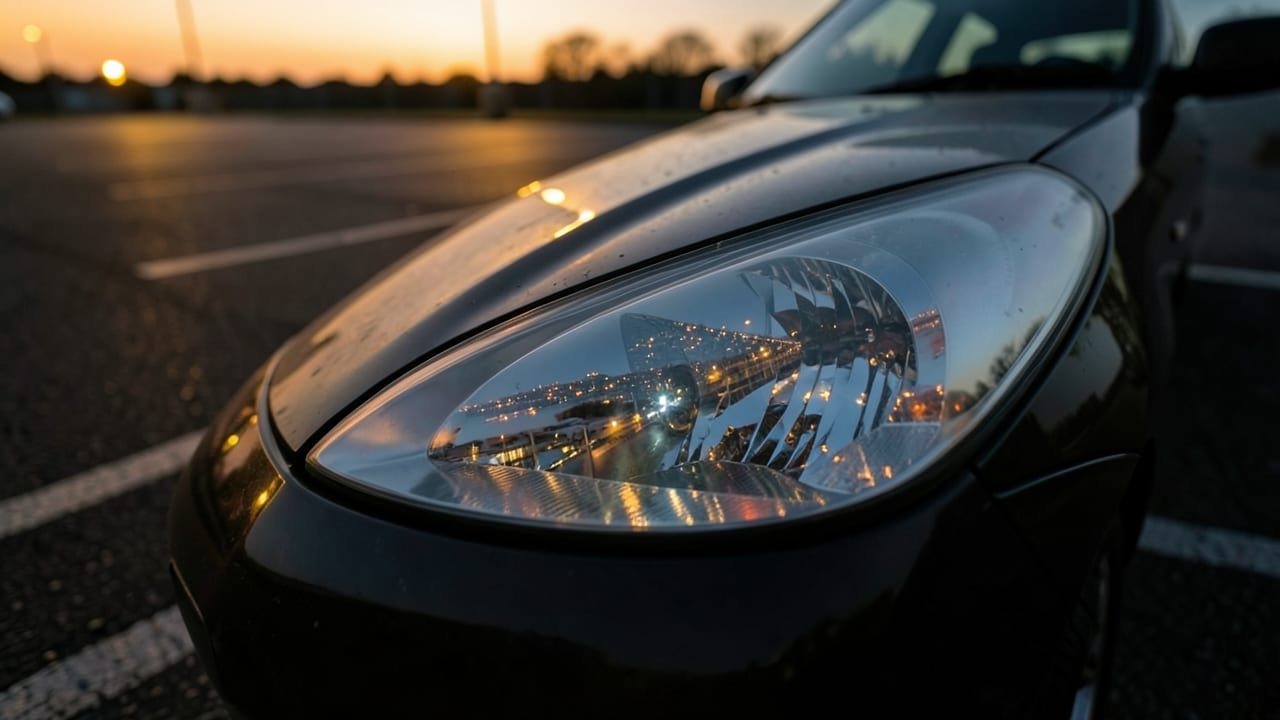
Headlight Restoration & Coating in Denver, CO
Headlight restoration and UV-protective coating in Denver, CO — restores clarity and nighttime visibility without replacing the assembly.
Learn More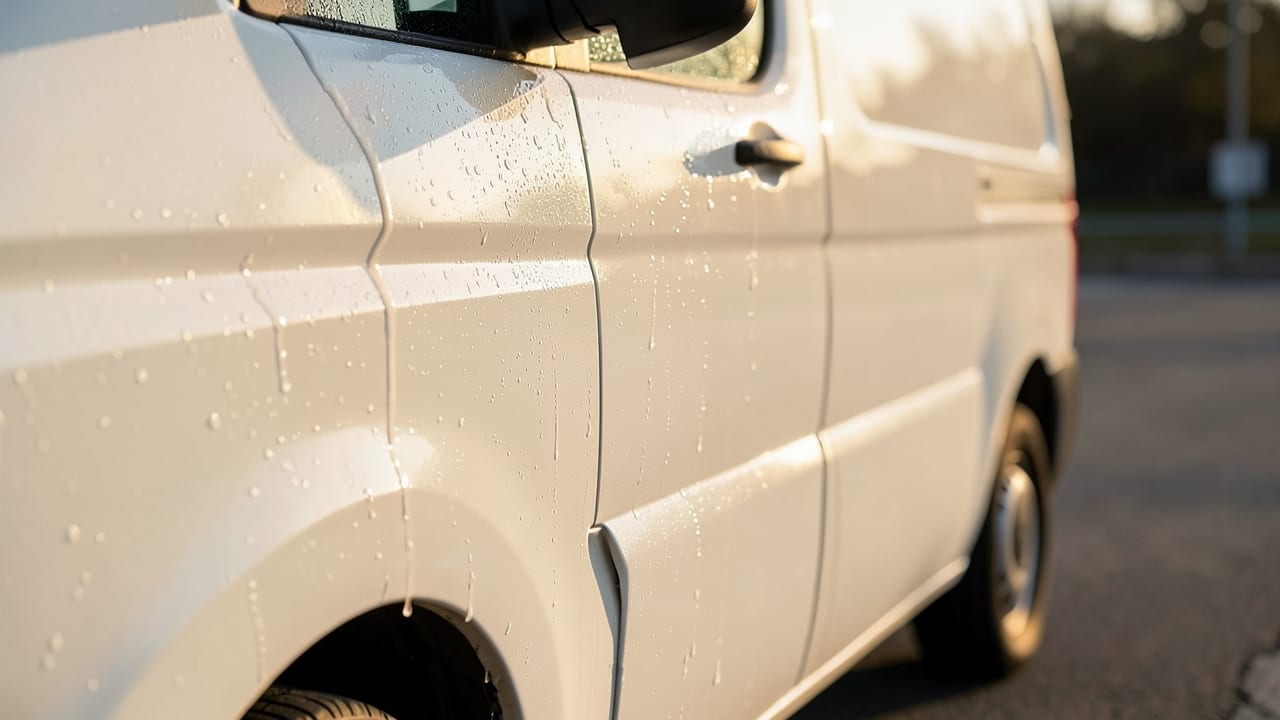
Fleet & Commercial Vehicle Coating in Denver, CO
Ceramic coating programs for fleets and commercial vehicles in Denver, CO — faster washing, longer-lasting branded wraps, and protected resale value.
Learn More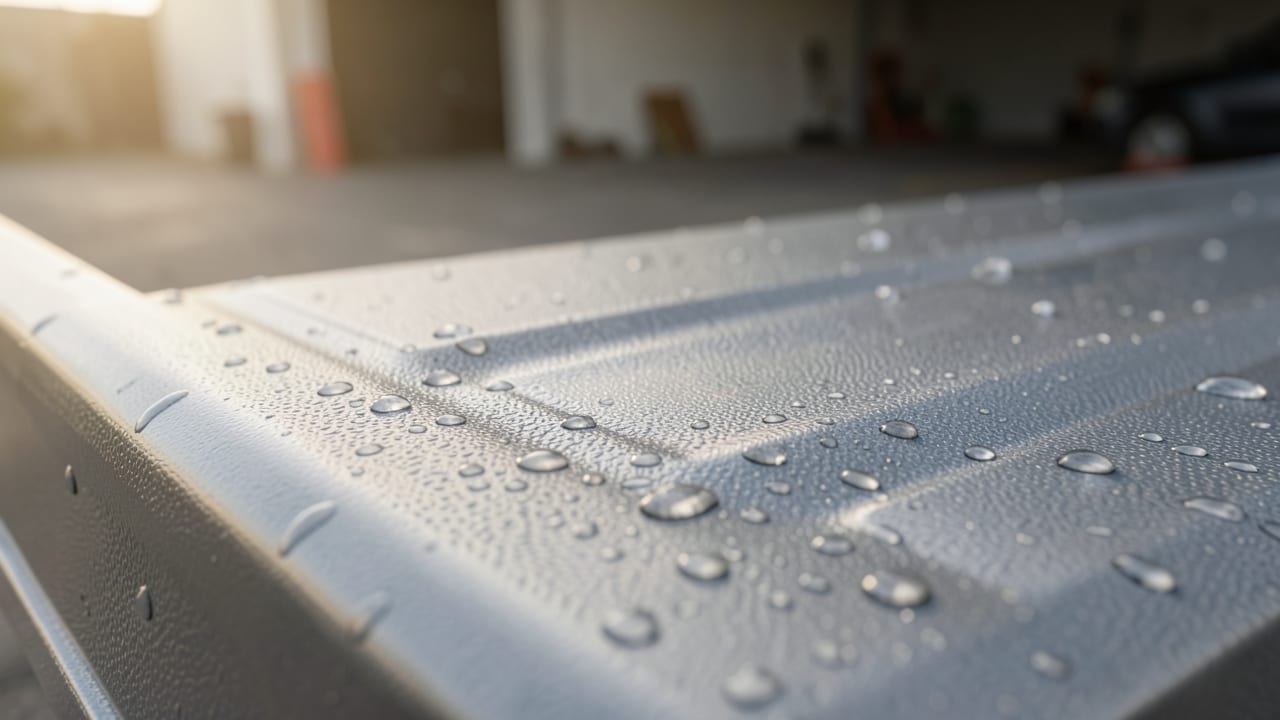
Graphene Coating in Denver, CO
Graphene coating in Denver, CO — a premium ceramic alternative with better heat rejection and hydrophobic durability.
Learn More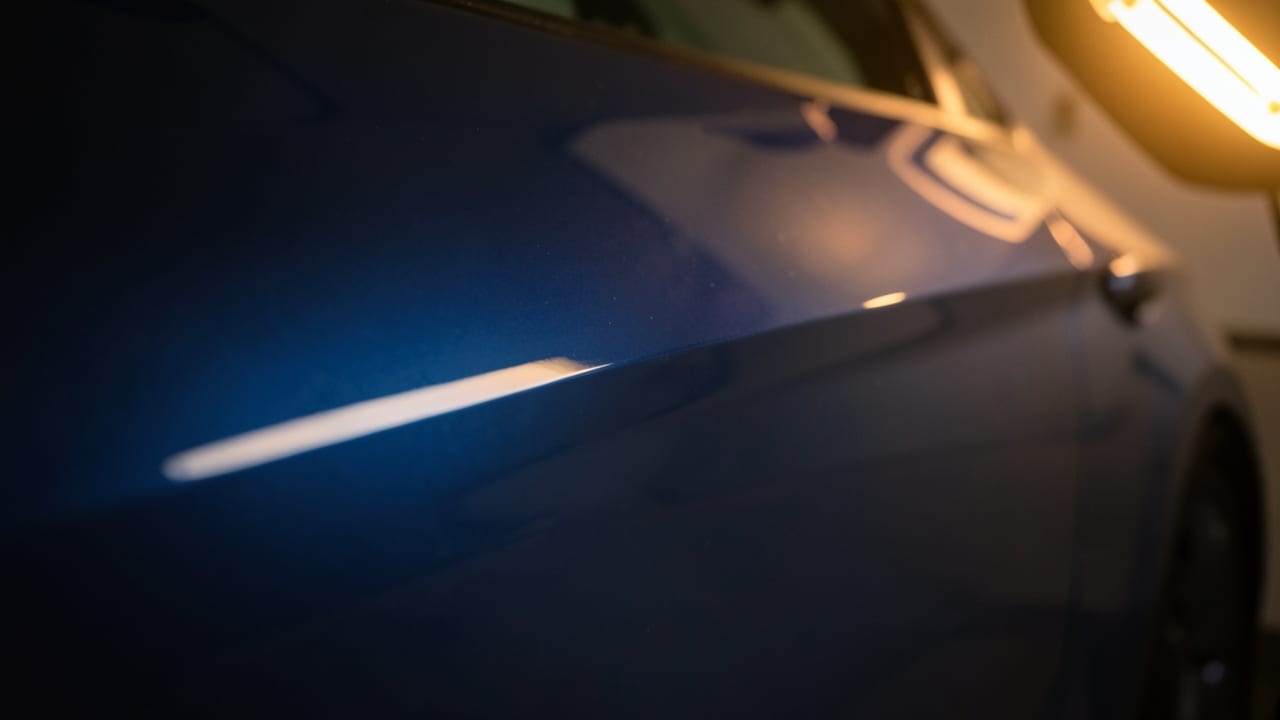
Clay Bar Paint Decontamination in Denver, CO
Clay bar paint decontamination in Denver, CO removes bonded surface contaminants a wash alone can't touch, before coating or correction.
Learn More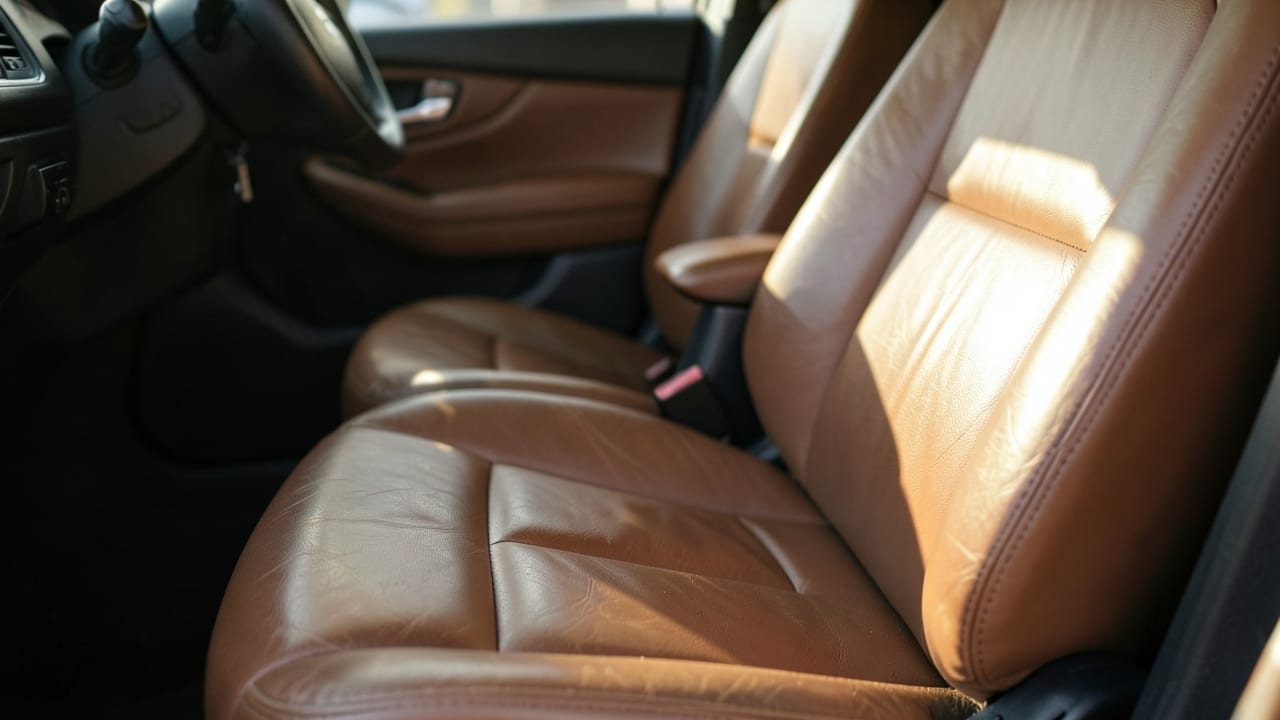
Leather Conditioning in Denver, CO
Professional application of ceramic coatings to protect and condition leather surfaces.
Learn More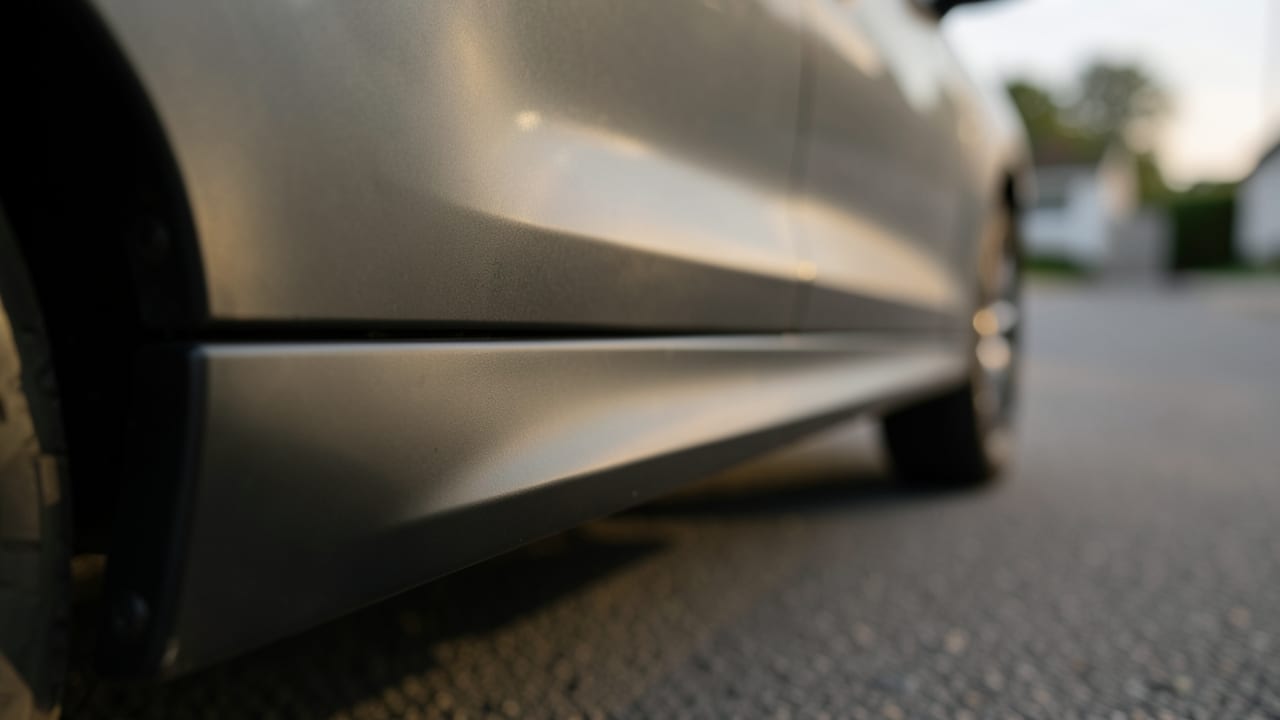
Plastic Trim Restoration in Denver, CO
Restoring faded or discolored plastic trim with ceramic coatings or protective treatments.
Learn MoreCommon Questions About Ceramic Coating in Denver
Everything you need to know about ceramic coating services in Denver
How much does Engine Bay Detailing typically cost in Denver, CO?
Can ceramic coating prevent rock chips on mountain roads around Denver, CO?
What does proper paint prep before a ceramic coating actually involve?
How should a coated vehicle be washed after the coating is applied?
Will a ceramic coating stop rock chips or scratches?
What's the actual difference between wax, paint sealant, and ceramic coating?
Need Ceramic Coating in Denver?
Get a written quote from our Denver crew.
⏰ We answer your call • Serving all of Denver and surrounding areas