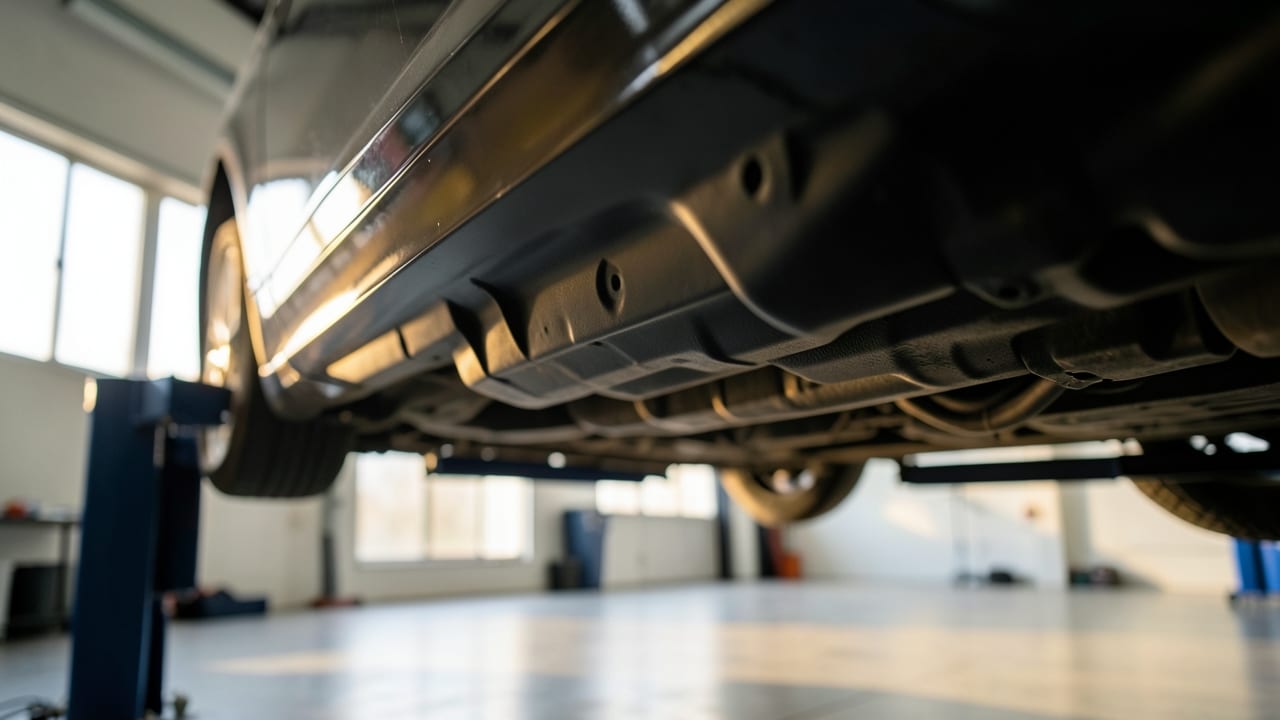
Undercoating Rustproofing
Ceramic undercoating applied to vehicle chassis to prevent rust and corrosion.
Denver’s mix of high-altitude dryness and seasonal road salt makes undercoating rustproofing a smart investment for protecting your vehicle’s undercarriage.
This process applies a ceramic coating to shield metal parts from moisture, salt, and debris, helping extend the life of your car’s frame and components in harsh conditions like those found in Aurora, Lakewood, or Wheat Ridge.
We also handle Graphene Coating and Clay Bar Paint Decontamination for Denver vehicles.
When your vehicle needs undercoating rustproofing
Undercoating rustproofing is intended to help when your vehicle’s undercarriage shows signs of exposure to moisture or salt. Look for rust spots, flaking undercoating, or a dull, chalky residue on metal parts—these indicate the existing protection has worn away.
Denver’s winter road treatments and summer dust can also accelerate wear, making this service useful for older vehicles or those frequently driven on rough roads.
Another sign is water beading inconsistently or pooling on the undercarriage after a wash. This suggests the protective layer has degraded, leaving metal vulnerable to corrosion. If you notice these issues, addressing them early can help prevent deeper rust damage that may require more extensive repairs later.
Signs Your Vehicle Needs Rustproofing
- Rust spots or flaking undercoating on the undercarriage or wheel wells
- Water pooling or spreading unevenly instead of beading after washing
- Dull, chalky residue on metal parts from old, degraded sealants
- Visible corrosion on brake lines, exhaust components, or frame rails
- A history of driving in areas with heavy road salt use (common in Denver winters)
What affects the process and protection
The effectiveness of undercoating rustproofing depends on surface preparation and the condition of the metal being treated. Cleaning the undercarriage thoroughly—removing grease, brake dust, and old sealants—helps the new coating bond properly.
In Denver’s climate, vehicles with pre-existing rust or damage may require additional steps, like rust conversion treatment, to ensure long-term protection.
The type of ceramic coating used also plays a role. Some formulations offer longer-lasting protection against moisture and salt, while others focus on flexibility to handle expansion and contraction from temperature shifts. The coating’s thickness and the number of layers applied can influence how well it resists wear over time.
| Factor | Impact on Service | What to Expect |
|---|---|---|
| Surface Condition | Rust or old sealants reduce adhesion; thorough cleaning is required. | A foam wash and chemical decontamination are typically performed first. |
| Coating Type | Thicker or multi-layer coatings last longer but may cost more. | Single-layer coatings are common for general protection; multi-layer is used for high-end vehicles. |
| Vehicle Age | Older vehicles may need rust conversion before coating. | Newer vehicles with intact undercoating may skip some prep steps. |
| Climate Exposure | Denver’s salt and dust accelerate wear, shortening protection intervals. | Reapplication is often recommended every 3–5 years in harsh conditions. |
Common misconceptions about undercoating
Many vehicle owners assume undercoating rustproofing will stop all rust, but it’s designed to slow corrosion, not eliminate it entirely. Existing rust or deep pitting must be addressed separately. Additionally, some believe any ceramic coating will work the same—however, thickness, application method, and product quality vary widely, affecting durability.
Another myth is that undercoating is a one-time fix. In reality, protection degrades over time due to exposure to salt, moisture, and road debris. Regular inspections and reapplication—typically every 3–5 years—help maintain effectiveness, especially in Denver’s variable climate.
Undercoating rustproofing does not stop rock chips, dents, or deep scratches. It adds a protective barrier against moisture and light corrosion, but impact damage requires separate repairs.
How undercoating rustproofing works
This service involves cleaning, treating, and sealing the undercarriage to protect against rust.
- 1Foam Wash and Wheel Cleaning
The vehicle undergoes a foam pre-wash to remove loose dirt, followed by a dedicated wheel-and-tire cleaning pass. Different mitts are used for paint and wheels to prevent brake dust from scratching the undercarriage during preparation.
- 2Chemical Decontamination
Iron remover strips embedded brake dust from the clear coat, and tar/bug remover lifts road residue. These steps ensure contaminants below the surface are removed before mechanical cleaning begins.
- 3Clay Bar Treatment
A clay bar or mitt is worked across every panel with lubricant to pull out bonded contaminants like overspray or industrial fallout. The goal is to leave the surface physically smooth to the touch.
- 4Coating Application
The ceramic coating is applied panel by panel in a controlled environment, with specific humidity and temperature ranges. The vehicle is left undisturbed during the cure period to ensure proper bonding.
- 5Post-Cure Inspection
After curing, the undercarriage is inspected for even coverage. Any uneven spots or residue are addressed before the vehicle is returned to the owner.
Frequently asked questions
How do I know if my vehicle’s undercoating is failing?
Check for rust spots, flaking undercoating, or water pooling instead of beading after washing. If the undercarriage feels rough or looks dull, the protective layer may have degraded and needs reapplication.
Can undercoating rustproofing be done on any vehicle?
Yes, but older vehicles with existing rust may require additional steps, like rust conversion, before coating. Newer vehicles with intact undercoating typically need less prep work.
How long does the protection from undercoating last?
In Denver’s climate, protection typically lasts 3–5 years, depending on exposure to salt, moisture, and road debris. Regular inspections help determine when reapplication is needed.
Will undercoating stop all rust from forming?
No, it slows corrosion by creating a barrier against moisture and salt. Existing rust or deep damage must be treated separately for full protection.
Where Denver sits, and what the Census lists nearby
Denver sits in Colorado, and the closest places listed in the U.S. Census Gazetteer are Glendale (5 miles southwest), Four Square Mile (5.6 miles south), Derby (5.8 miles north), North Washington (6.1 miles northwest).
Within 25 miles of Denver the same source lists 82 distinct incorporated places and census-designated places.
Those figures matter for undercoating rustproofing because they are straight-line distances between Census coordinate points: road mileage between Denver and Glendale runs longer than the 5 miles shown, which is why quotes for the same job differ between towns that look close together on a map.
Source: U.S. Census Bureau Gazetteer.
See Sherrelwood, CO for more, or check out the ceramic coating work we do around Denver step by step for our complete lineup.
Ready to get started?
Talk to a local ceramic coating pro in Denver — get a written quote.
Other Ceramic Coating Services in Denver
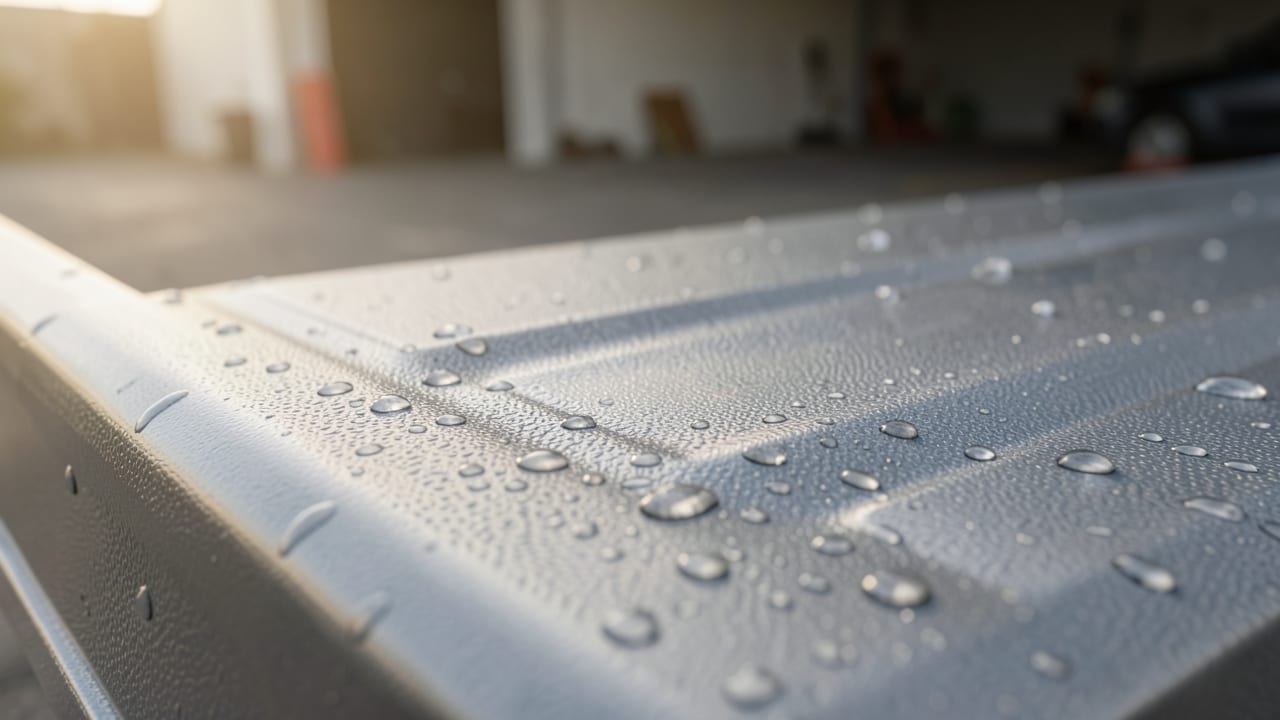
Graphene Coating in Denver, CO
Graphene coating in Denver, CO — a premium ceramic alternative with better heat rejection and hydrophobic durability.
Learn More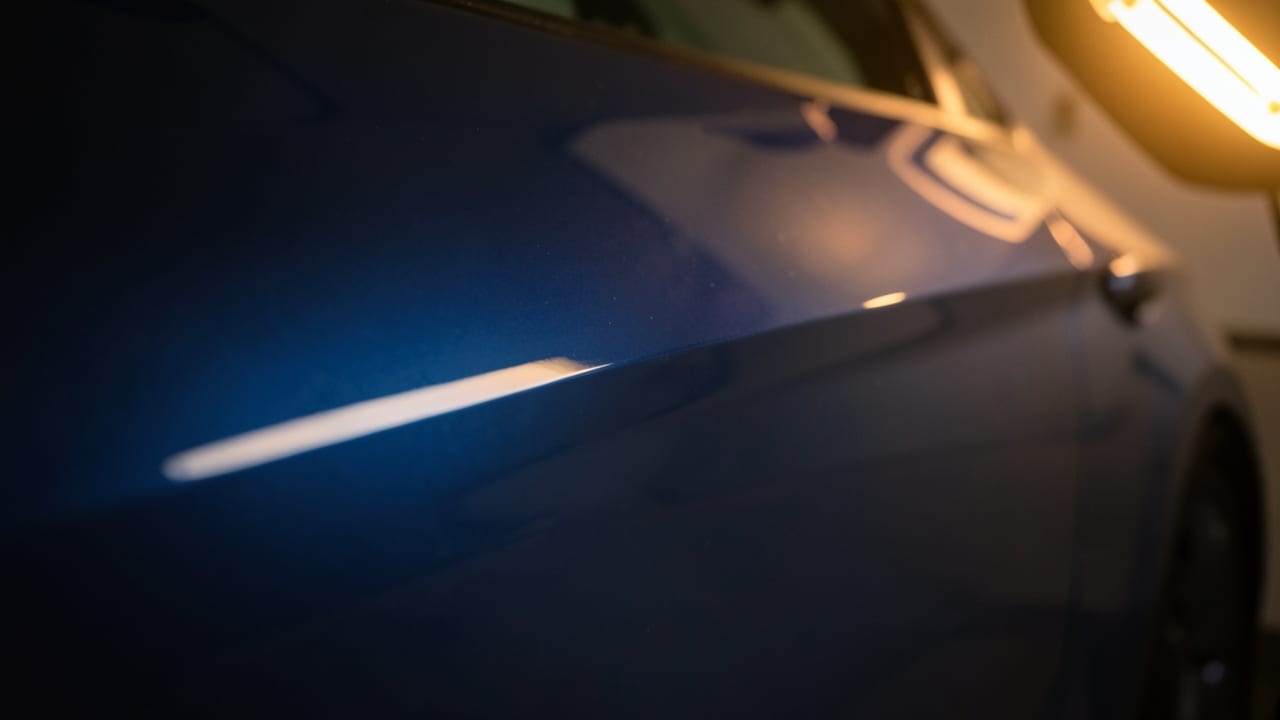
Clay Bar Paint Decontamination in Denver, CO
Clay bar paint decontamination in Denver, CO removes bonded surface contaminants a wash alone can't touch, before coating or correction.
Learn More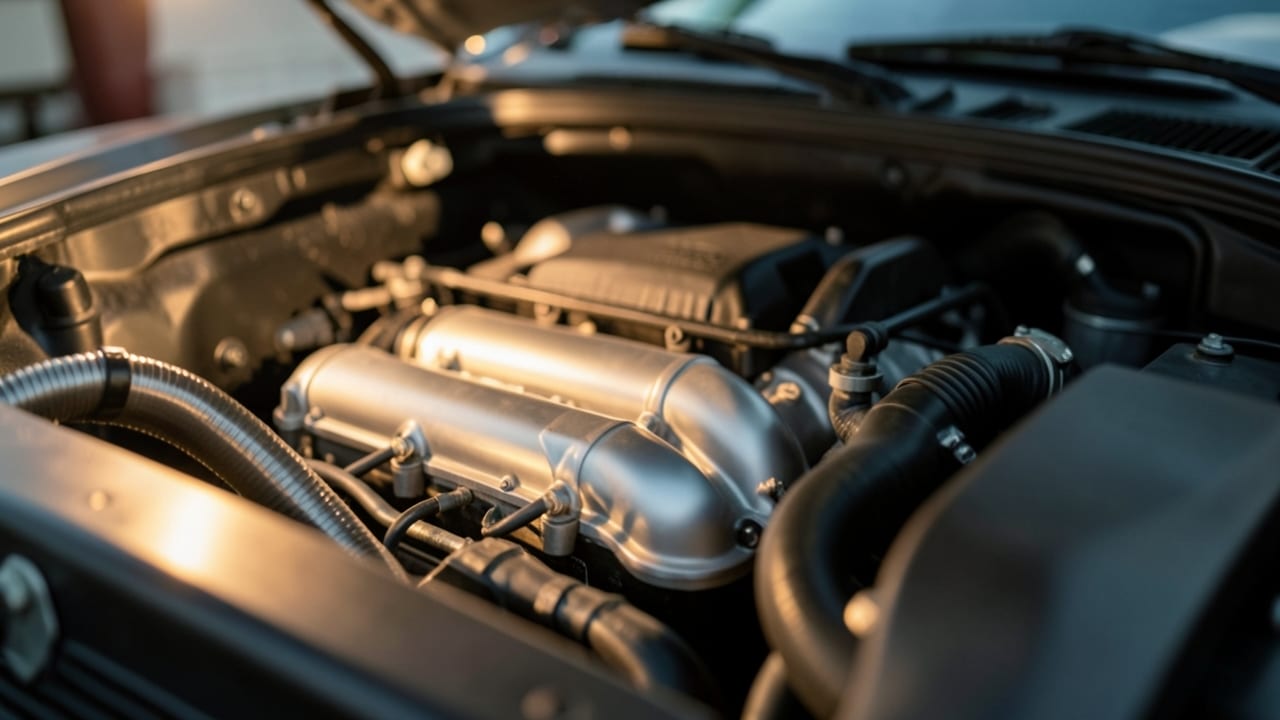
Engine Bay Detailing in Denver, CO
Engine bay detailing in Denver, CO — safe degreasing and dressing of the engine compartment without risking electrical components.
Learn More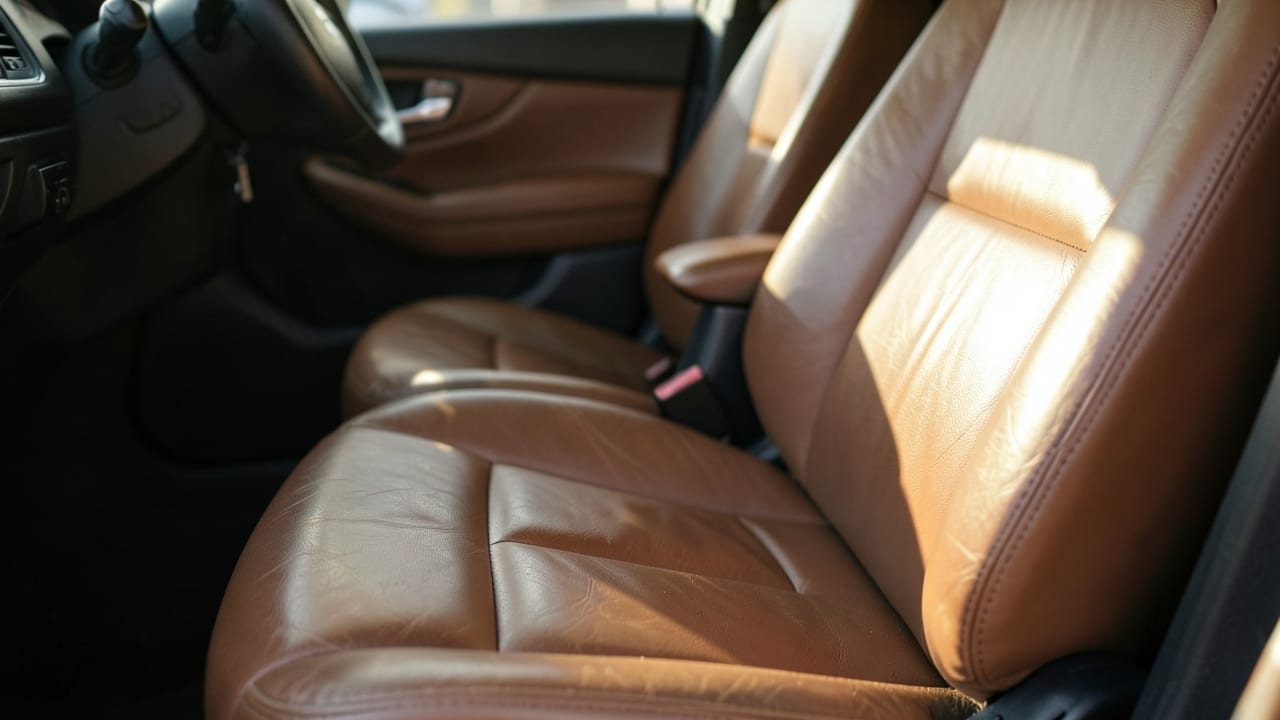
Leather Conditioning in Denver, CO
Professional application of ceramic coatings to protect and condition leather surfaces.
Learn More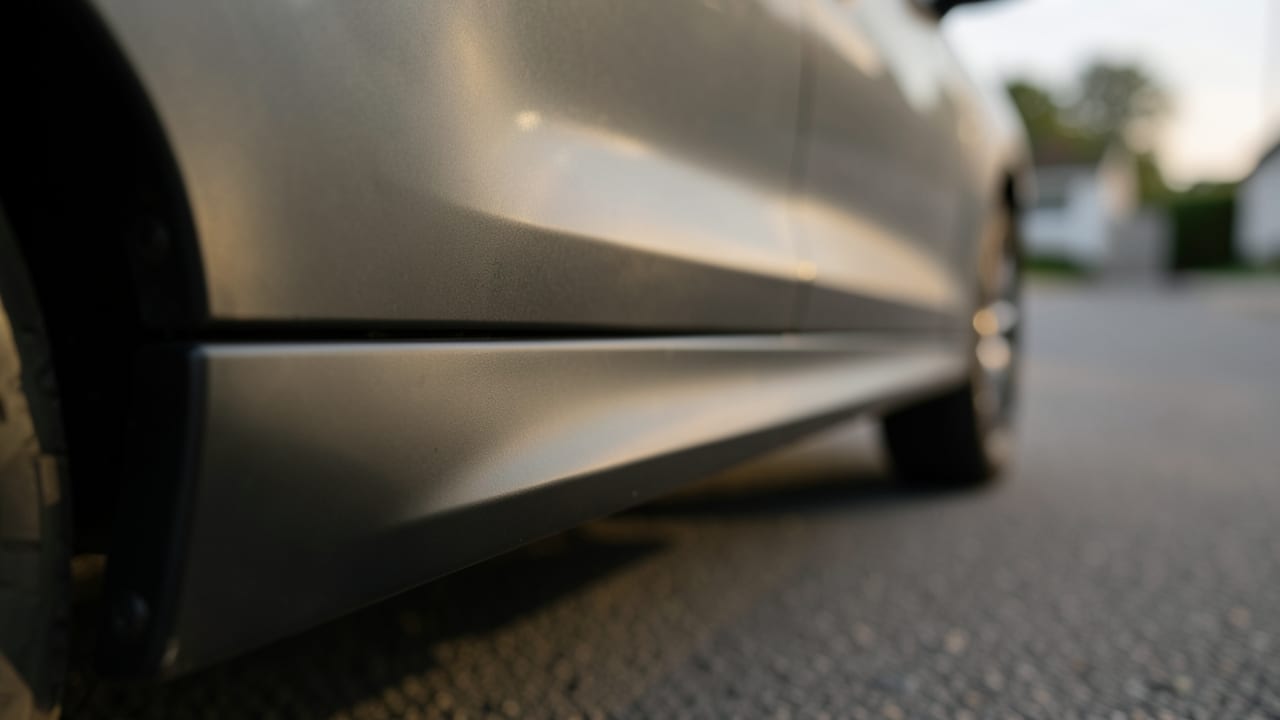
Plastic Trim Restoration in Denver, CO
Restoring faded or discolored plastic trim with ceramic coatings or protective treatments.
Learn More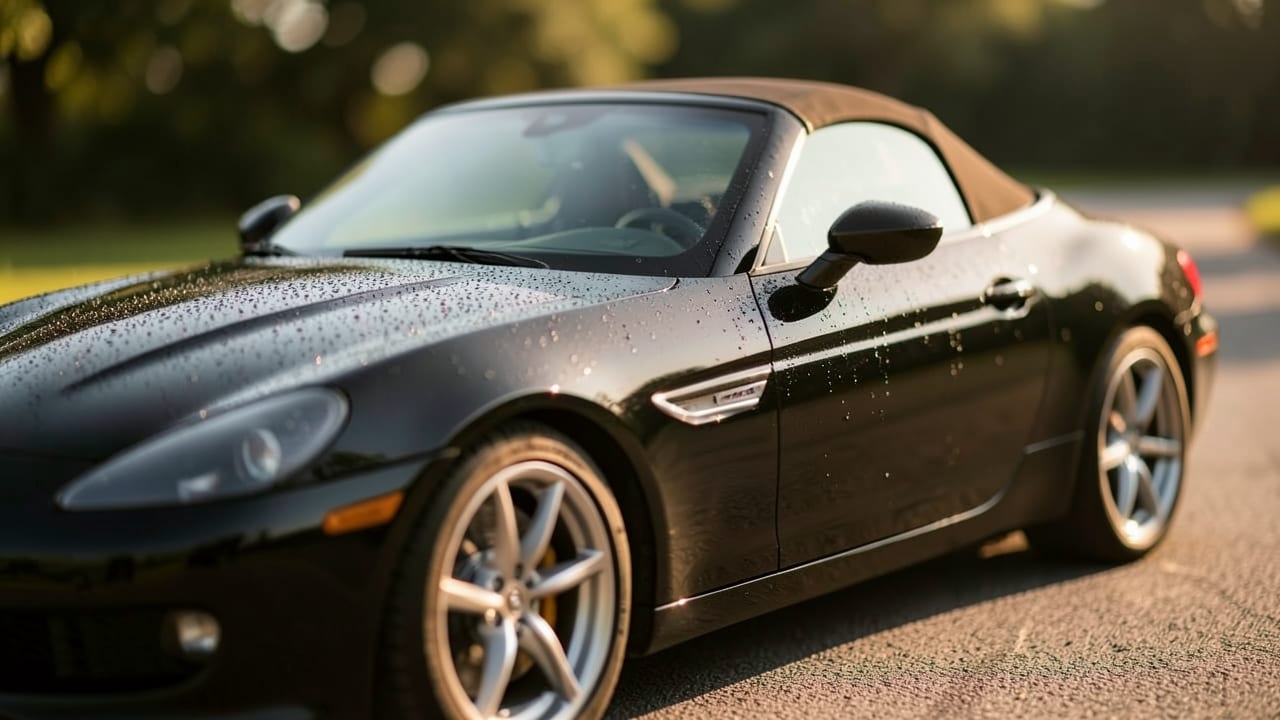
Convertible Top Protection in Denver, CO
Ceramic coating and protective treatments applied to convertible tops for durability and UV resistance.
Learn MoreCommon Questions About Ceramic Coating in Denver
Everything you need to know about ceramic coating services in Denver
How much does Undercoating Rustproofing typically cost in Denver, CO?
Can ceramic coating prevent rock chips on mountain roads around Denver, CO?
Can ceramic coating be applied over a vinyl wrap or matte paint?
What does proper paint prep before a ceramic coating actually involve?
How should a coated vehicle be washed after the coating is applied?
Will a ceramic coating stop rock chips or scratches?
Need Ceramic Coating in Denver?
Get a written quote from our Denver crew.
⏰ We answer your call • Serving all of Denver and surrounding areas