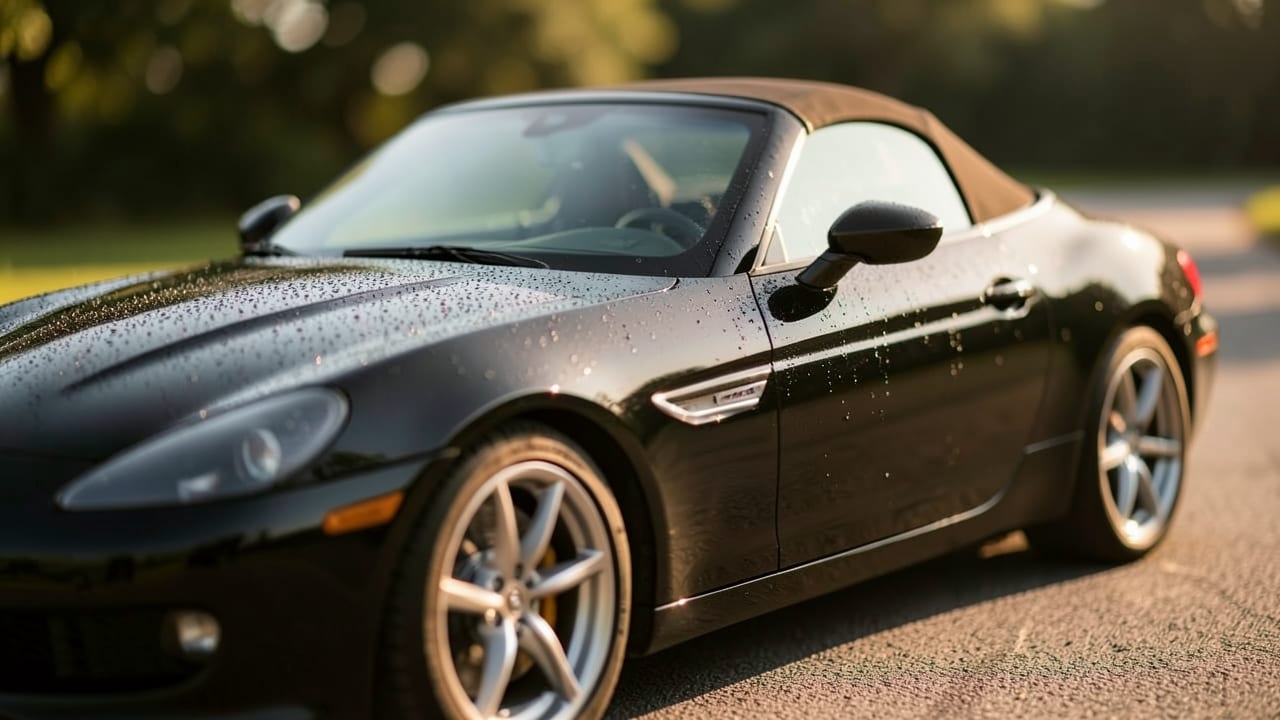
Convertible Top Protection
Ceramic coating and protective treatments applied to convertible tops for durability and UV resistance.
Convertible top protection in Denver involves applying a ceramic coating to shield fabric or vinyl tops from UV damage, stains, and wear. This service enhances water resistance and preserves the material’s appearance, extending its lifespan in Colorado’s varied weather conditions, from sun exposure to snow and rain.
Why convertible top protection matters in Denver
Denver’s climate—intense UV rays, temperature swings, and occasional snow—accelerates wear on convertible tops. A ceramic coating creates a protective barrier against these elements, reducing fading, cracking, and water absorption. This helps maintain the top’s flexibility and appearance, especially during seasonal changes.
We also handle Interior Ceramic Protection and Headlight Restoration & Coating for Denver vehicles.
Without protection, fabric and vinyl tops degrade faster, leading to stiffening, discoloration, and reduced functionality. A coating also makes cleaning easier, as stains and dirt are less likely to bond to the surface, saving time and effort in maintenance.
Signs Your Convertible Top Needs Protection
- Water beads unevenly or spreads instead of rolling off, indicating lost water resistance.
- Fabric or vinyl feels stiff, dry, or cracked, especially after exposure to sun or cold.
- Discoloration or fading appears, even after washing, due to UV damage.
- Stains or dirt penetrate the material, making them harder to remove with regular cleaning.
- The top shows visible wear, such as peeling or cracking, especially in folds and creases.
What affects pricing and timing
The size and material of the convertible top influence the cost and time required. Fabric tops typically take longer to prep and coat than vinyl due to their texture and porosity. Vinyl tops may require additional steps to ensure adhesion, especially if they’re aged or damaged.
The extent of pre-existing damage or contamination also impacts pricing. A top with heavy stains, embedded dirt, or significant wear may need extra cleaning or correction before coating. Seasonal demand in Denver can also affect scheduling, with busier periods in spring and summer.
| Factor | Impact on Pricing/Timing |
|---|---|
| Top Material | Fabric tops require more prep time than vinyl due to texture and porosity. |
| Top Size | Larger tops (e.g., SUVs, trucks) take longer to clean, prep, and coat. |
| Condition | Heavily contaminated or damaged tops need extra cleaning or correction. |
| Season | Peak seasons (spring/summer) may have longer wait times for scheduling. |
| Coating Tier | Higher-end coatings (e.g., graphene vs. SiO₂) affect cost and durability expectations. |
Common misconceptions about convertible top coatings
Many vehicle owners assume a coating will eliminate all stains or repair deep damage, but it’s designed to protect, not restore. Pre-existing cracks, tears, or severe wear must be addressed separately before coating. Similarly, coatings don’t replace regular cleaning—they enhance water resistance and UV protection but don’t prevent all contamination.
Another misconception is that a coating is a one-time fix. Long-term performance depends on proper maintenance, such as avoiding automatic car washes with brushes and rinsing off contaminants promptly. Skipping these steps can reduce the coating’s effectiveness over time.
A ceramic coating does not stop rock chips, deep scratches, or punctures. It adds surface hardness against light swirling and UV damage but is not impact-resistant. Pre-existing imperfections, if not corrected beforehand, will remain visible under the coating.
How convertible top protection works
This process ensures the top is thoroughly cleaned, prepped, and coated for long-lasting protection.
- 1Foam Wash and Wheel Cleaning
The top and wheels undergo separate cleaning passes using specialized mitts. A foam pre-wash removes loose dirt, while dedicated wheel cleaning prevents brake dust from scratching the paint or fabric during later steps.
- 2Chemical Decontamination
Iron remover and tar/bug removers are applied to strip embedded contaminants like brake dust and road grime. These steps occur before any mechanical contact to ensure a smooth surface for coating.
- 3Clay Bar Treatment
A clay bar or mitt is worked across the top with lubricant to pull out bonded contaminants, such as industrial fallout or overspray. The goal is to achieve a glass-smooth surface, confirming decontamination is complete.
- 4Paint Inspection and Correction
The top is inspected under raking light for swirl marks or scratches. A correction polish is applied where needed, as coating over existing imperfections locks them in permanently.
- 5Coating Application and Cure
The ceramic coating is applied panel by panel in a controlled environment with specific humidity and temperature. The top is left undisturbed during the cure period to ensure proper bonding before exposure to water or washing.
Frequently asked questions
How long does convertible top protection last?
The lifespan of a ceramic coating on a convertible top typically ranges from 2 to 5 years, depending on the coating tier, maintenance habits, and exposure conditions. Higher-end coatings may last longer, but regular cleaning and avoiding harsh contaminants help preserve performance.
Can a coating repair a damaged or cracked convertible top?
No, a coating does not repair structural damage like cracks or tears. It protects the surface from further degradation but cannot restore flexibility or integrity to compromised material. Pre-existing damage should be addressed before coating.
What should I avoid after getting a coating applied?
Avoid washing the vehicle for at least 7 days to allow the coating to fully cure. Skip automatic car washes with brushes, as they can introduce fine scratches. Also, rinse off bird droppings, sap, or bug splatter within a day or two to prevent etching.
Does the coating work on both fabric and vinyl convertible tops?
Yes, ceramic coatings can be applied to both fabric and vinyl tops, but the prep process may vary slightly. Fabric tops often require additional steps to ensure the coating adheres properly to the porous material, while vinyl tops benefit from a smoother surface for better protection.
Where Denver sits, and what the Census lists nearby
Denver sits in Colorado, and the closest places listed in the U.S. Census Gazetteer are Glendale (5 miles southwest), Four Square Mile (5.6 miles south), Derby (5.8 miles north), North Washington (6.1 miles northwest).
Within 25 miles of Denver the same source lists 82 distinct incorporated places and census-designated places.
Those figures matter for convertible top protection because they are straight-line distances between Census coordinate points: road mileage between Denver and Glendale runs longer than the 5 miles shown, which is why quotes for the same job differ between towns that look close together on a map.
Source: U.S. Census Bureau Gazetteer.
See Arvada, CO for more, or explore everything Denver vehicle owners can book with us before booking for our complete lineup.
Ready to get started?
Talk to a local ceramic coating pro in Denver — get a written quote.
Other Ceramic Coating Services in Denver
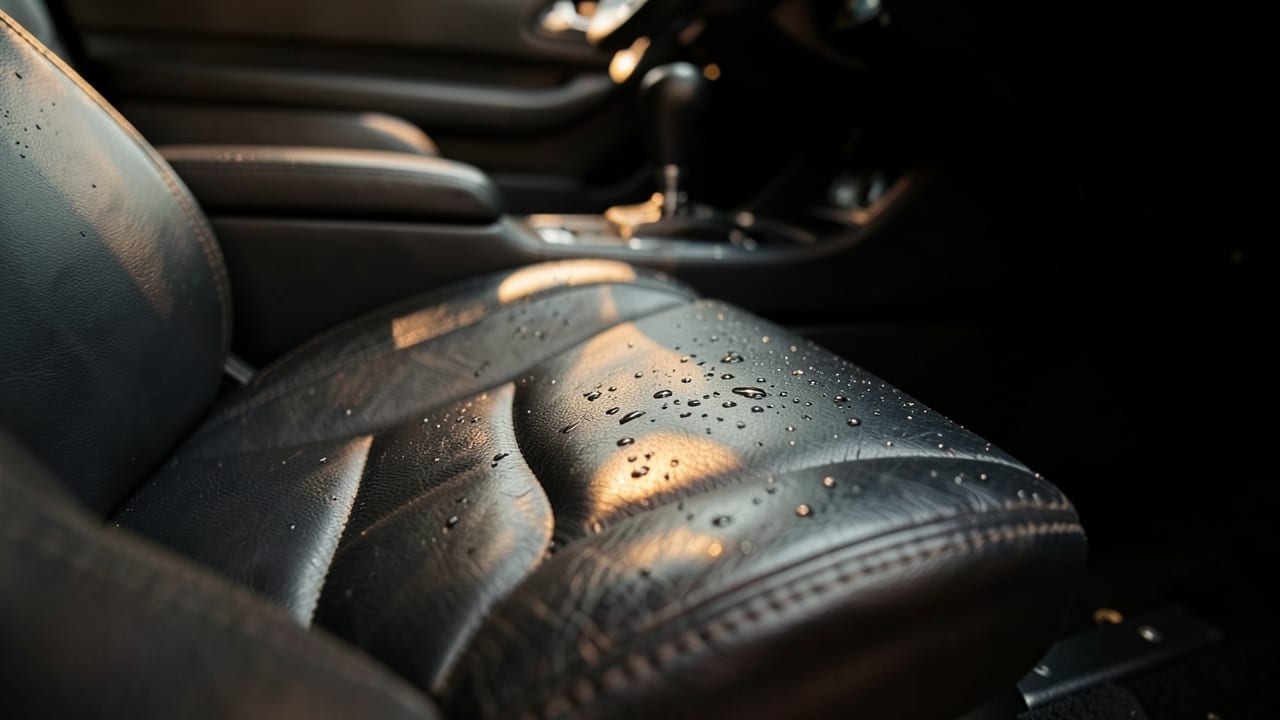
Interior Ceramic Protection in Denver, CO
Interior fabric, leather, and trim ceramic protection in Denver, CO — guards against spills, UV fading, and daily wear.
Learn More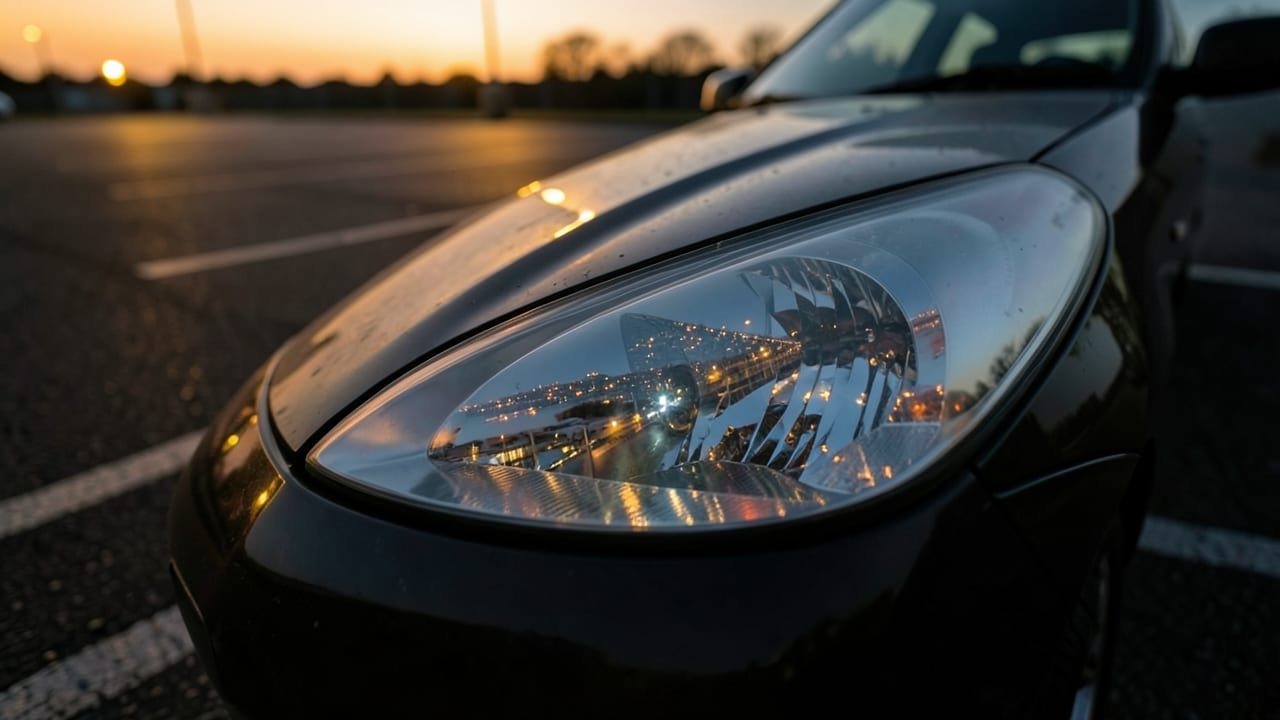
Headlight Restoration & Coating in Denver, CO
Headlight restoration and UV-protective coating in Denver, CO — restores clarity and nighttime visibility without replacing the assembly.
Learn More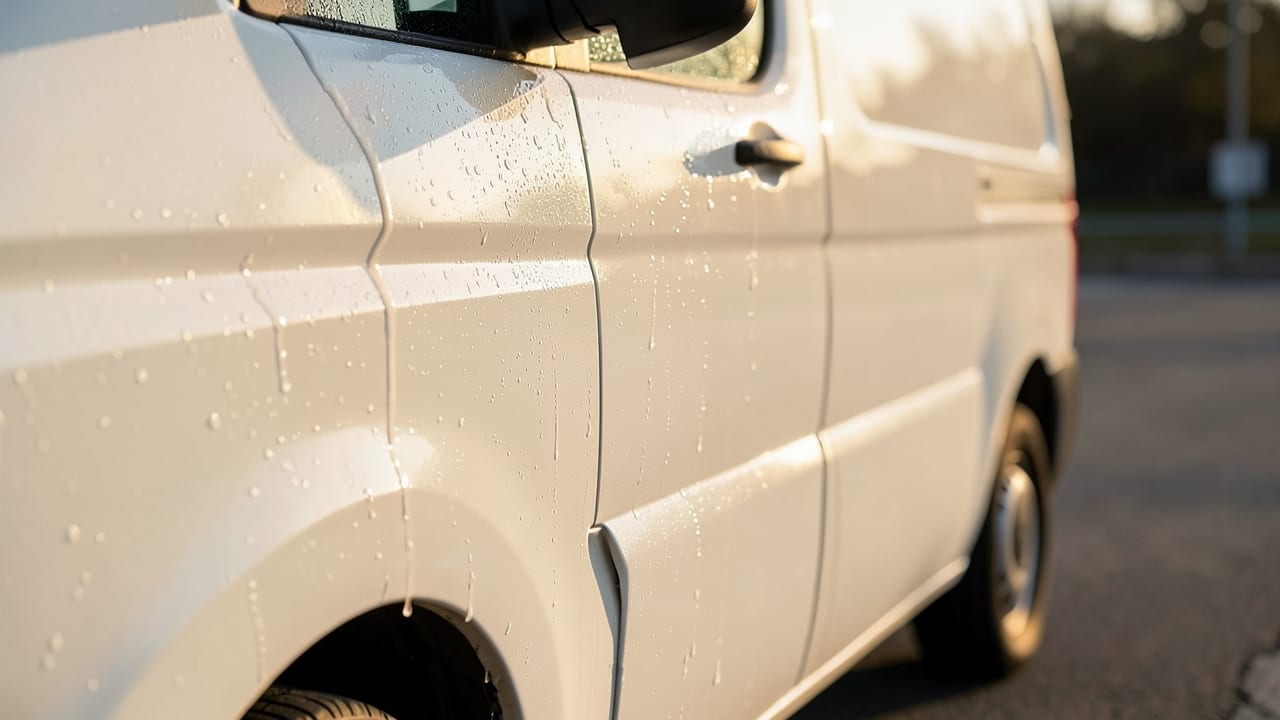
Fleet & Commercial Vehicle Coating in Denver, CO
Ceramic coating programs for fleets and commercial vehicles in Denver, CO — faster washing, longer-lasting branded wraps, and protected resale value.
Learn More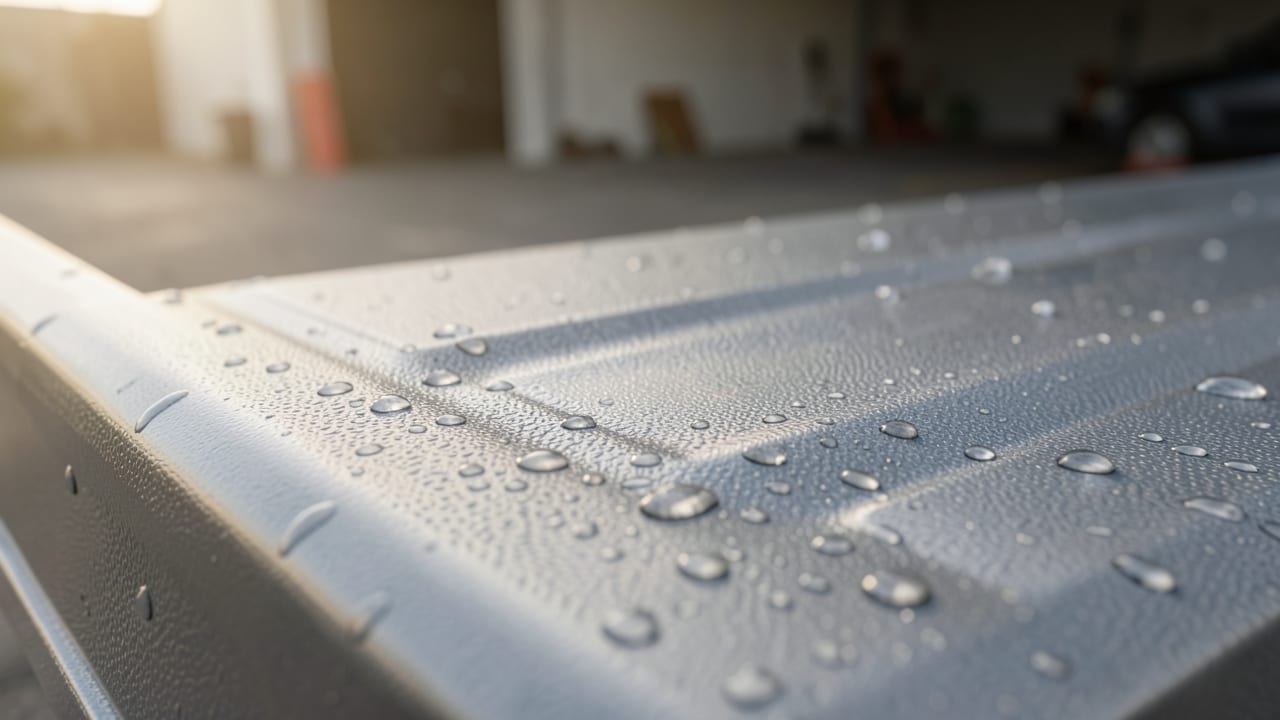
Graphene Coating in Denver, CO
Graphene coating in Denver, CO — a premium ceramic alternative with better heat rejection and hydrophobic durability.
Learn More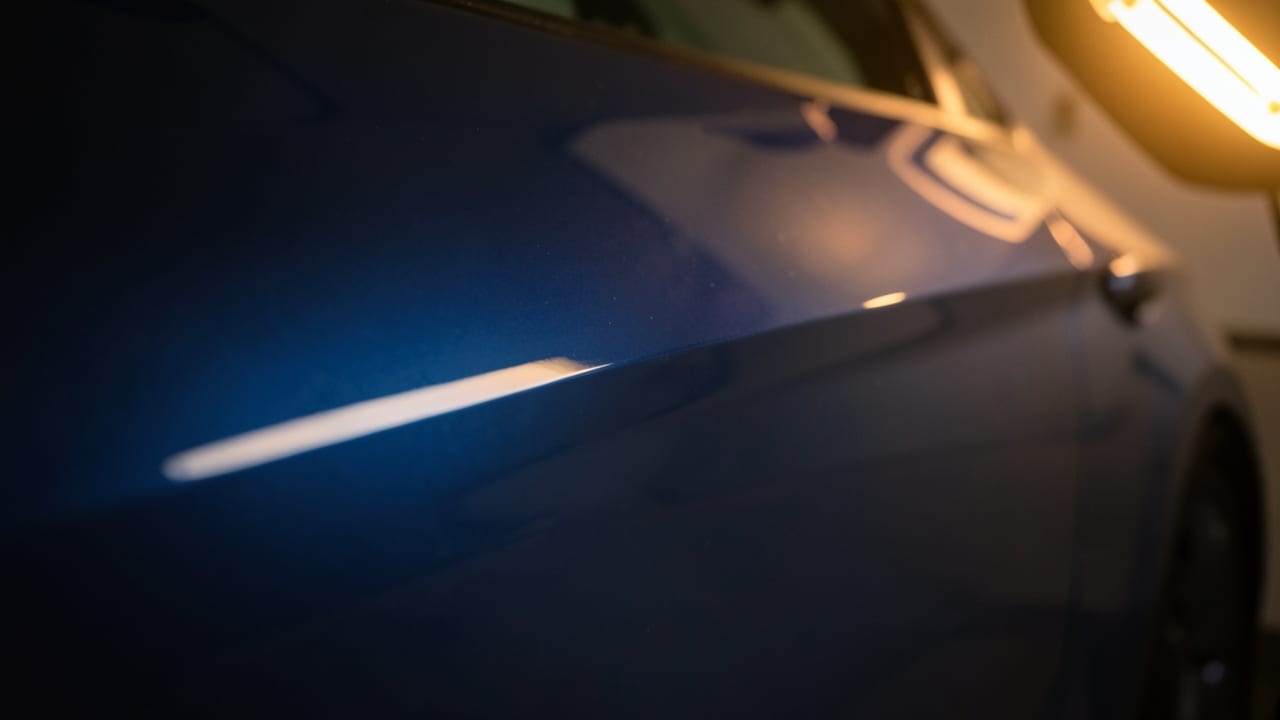
Clay Bar Paint Decontamination in Denver, CO
Clay bar paint decontamination in Denver, CO removes bonded surface contaminants a wash alone can't touch, before coating or correction.
Learn More
Engine Bay Detailing in Denver, CO
Engine bay detailing in Denver, CO — safe degreasing and dressing of the engine compartment without risking electrical components.
Learn MoreCommon Questions About Ceramic Coating in Denver
Everything you need to know about ceramic coating services in Denver
How much does Convertible Top Protection typically cost in Denver, CO?
Can ceramic coating prevent rock chips on mountain roads around Denver, CO?
What is the difference between graphene and SiO2 ceramic coatings?
Does a ceramic coating need to be topped up over time?
Can a ceramic coating be applied over existing swirl marks or light scratches?
Is ceramic coating ever covered by comprehensive auto insurance?
Need Ceramic Coating in Denver?
Get a written quote from our Denver crew.
⏰ We answer your call • Serving all of Denver and surrounding areas